Uzbekistan’s unified medical information system, DMED, has not yet become fully operational across state medical institutions, and members of the Legislative Chamber of the Oliy Majlis have highlighted difficulties that patients face when obtaining privileged referrals for treatment, according to a report published by Podrobno.uz from Tashkent. The issue was reviewed during a session at which Health Minister Eldor Adilov reported on the results of digitalization in the health sector, placing the unfinished rollout of the national platform at the center of parliamentary oversight.
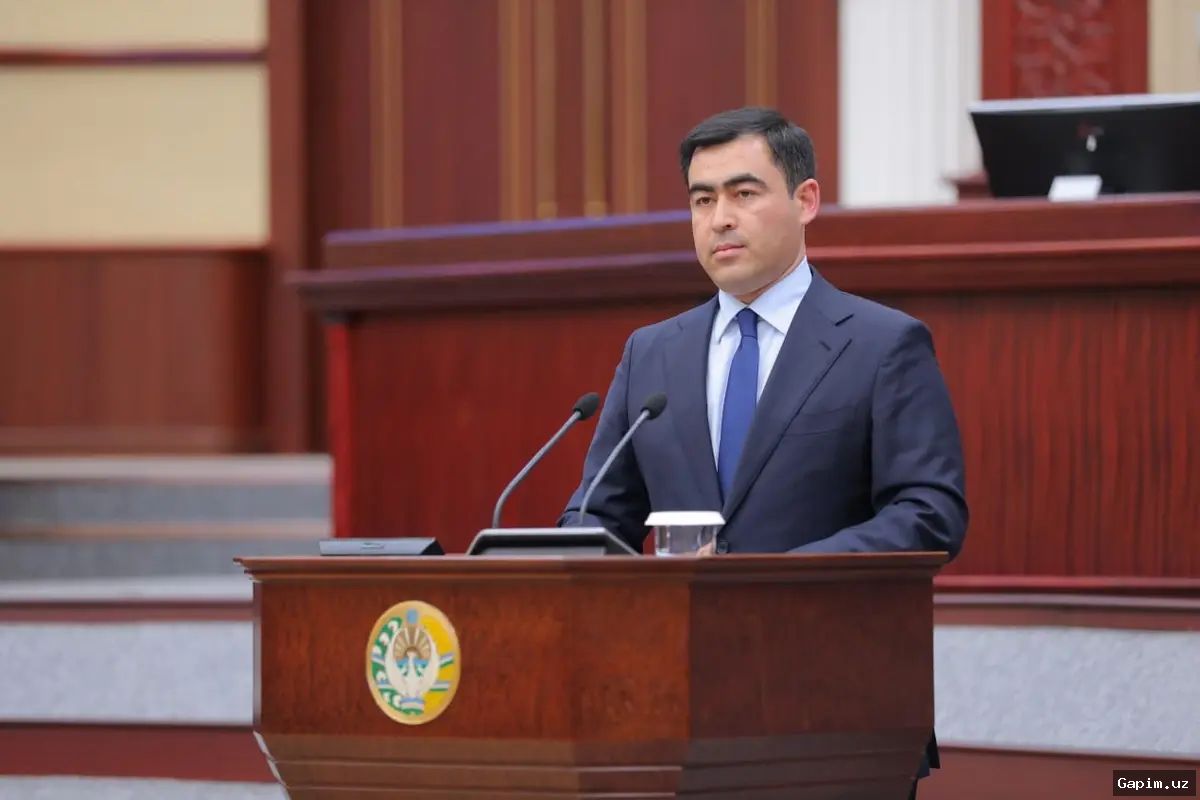
Key Takeaways: Health Minister Eldor Adilov said electronic medical services now cover more than 4,000 state medical institutions, about 6,000 private clinics, over 11,000 pharmacies and more than 38 million citizens; over 148,000 privileged electronic referrals have been issued; six artificial-intelligence systems are planned for full launch by the end of the year, with three more to be introduced in test mode; and AI has already analyzed more than 54,000 mammography studies and over 2,500 stroke-related cases.
Context and Background
The parliamentary review reflects a broader challenge in large-scale health digitalization: connecting public and private providers to one platform is not only a technical task but also an administrative and patient-rights issue. While coverage figures suggest wide reach, lawmakers noted that private clinics remain insufficiently integrated with the digital platforms of the Ministry of Health and that citizens encounter obstacles when seeking privileged referrals to republican specialized medical centers. Questions were also raised about resources linked to the State Medical Insurance Fund, indicating that digital reform is being examined alongside financing, accountability and equitable access to care. For patients, the practical effect is that a system designed to reduce paperwork and speed up referrals may still leave them navigating inconsistent procedures between facilities, especially when treatment requires referral to specialized republican centers.
Outlook and Key Details
By the end of the year, the Ministry of Health plans to fully launch six artificial-intelligence systems and introduce three more in test mode, building on work that has already analyzed more than 54,000 mammographic examinations and over 2,500 stroke-related cases. Lawmakers proposed eliminating existing shortcomings, ensuring uniform operation of digital services in all medical institutions and simplifying patients’ access to medical services, while the issue will remain under parliamentary control. The State Medical Insurance Fund also recently told Podrobno.uz that many Uzbek citizens are unable to use free medical care because they lack sufficient information about their rights and the procedure for obtaining treatment referrals, underscoring the need for clearer communication as DMED is completed. The next phase will therefore require not only software completion but also training, standardization and public information campaigns to ensure that digital services work uniformly across the health system.
Source: podrobno.uz