In Bukhara, the regional economic court temporarily suspended the operations of the central dehkan market and its adjacent bazaar after an inspection revealed serious violations of fire safety requirements. The inspection found that traders had blocked passages intended for fire trucks with commercial structures and had used flammable materials in shop finishing. Officials concluded that these conditions posed a threat to the lives of entrepreneurs and visitors.
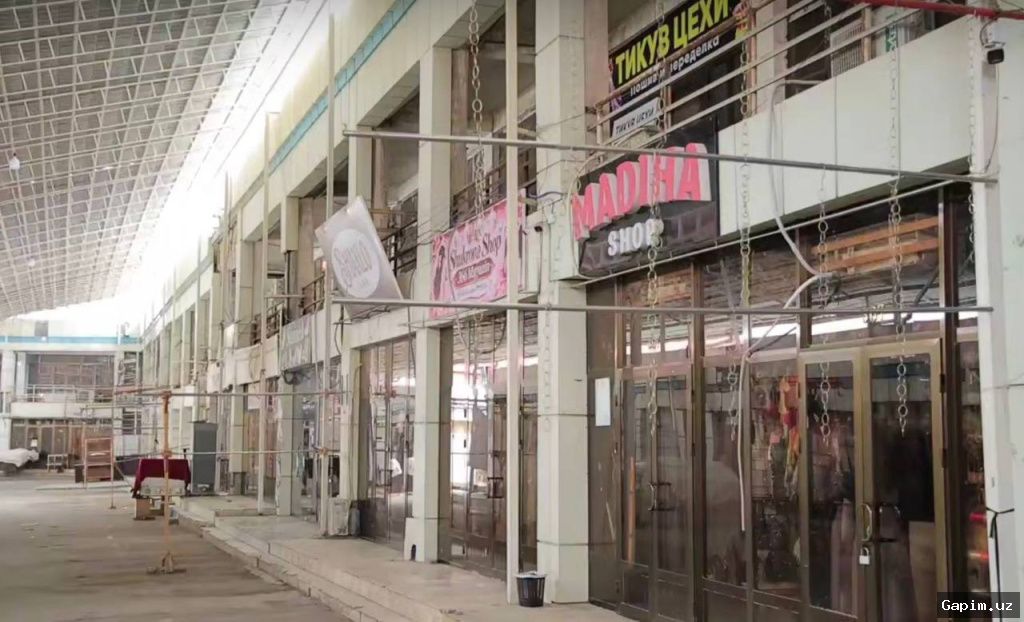
Key Takeaways: A fire safety inspection at Bukhara’s central dehkan market and adjacent bazaar uncovered major deficiencies; experts found faulty underground hydrants, disorderly wiring, and a lack of automatic fire alarms in some shops; trade will resume only after all violations are eliminated.
Context and Background
Large markets bring together traders, customers, service workers, and suppliers in a dense commercial environment, which makes fire safety compliance a public-safety priority rather than a mere technical formality. Blocked emergency access routes can delay firefighters, while flammable finishing materials can accelerate the spread of a fire. Faulty underground hydrants and chaotic electrical wiring further increase the risk of a serious incident. Together, these violations create conditions in which a small ignition could quickly become a large-scale emergency.
The absence of automatic fire alarms in some retail points is especially concerning because delayed detection can reduce the time available for evacuation and emergency response. In crowded market settings, where many people may be unfamiliar with exits and layout, even a limited fire can cause panic and serious harm. For this reason, inspections and enforcement measures are intended to reduce preventable risks and strengthen safety culture among market owners and tenants.
Outlook and Key Details
Following the inspection, the regional economic court ordered the temporary suspension of the central dehkan market. Market administrators and shop owners have been instructed to eliminate all identified violations before trade can resume. This measured approach focuses on correcting specific hazards and preventing potential tragedies, while allowing commercial activity to return once safety standards are met.
The decision also comes amid broader regulatory attention to market fire safety in Uzbekistan. In early November, it was reported that owners of markets and shopping centers would be required to obtain fire insurance. The Bukhara case therefore reflects a wider effort to combine inspections, legal enforcement, insurance obligations, and preventive oversight. Once a follow-up inspection confirms compliance, the market is expected to reopen and resume normal operations.
Source: podrobno.uz