In Tashkent, a presentation on entrepreneurship development and population income growth highlighted that micro, small and medium-sized enterprises account for 75% of employment in Uzbekistan's economy while contributing 55% of GDP, with only 4% of microenterprises moving into a larger category. The government aims to change its approach to business support, broaden access to financing and accelerate sector growth through 2030.
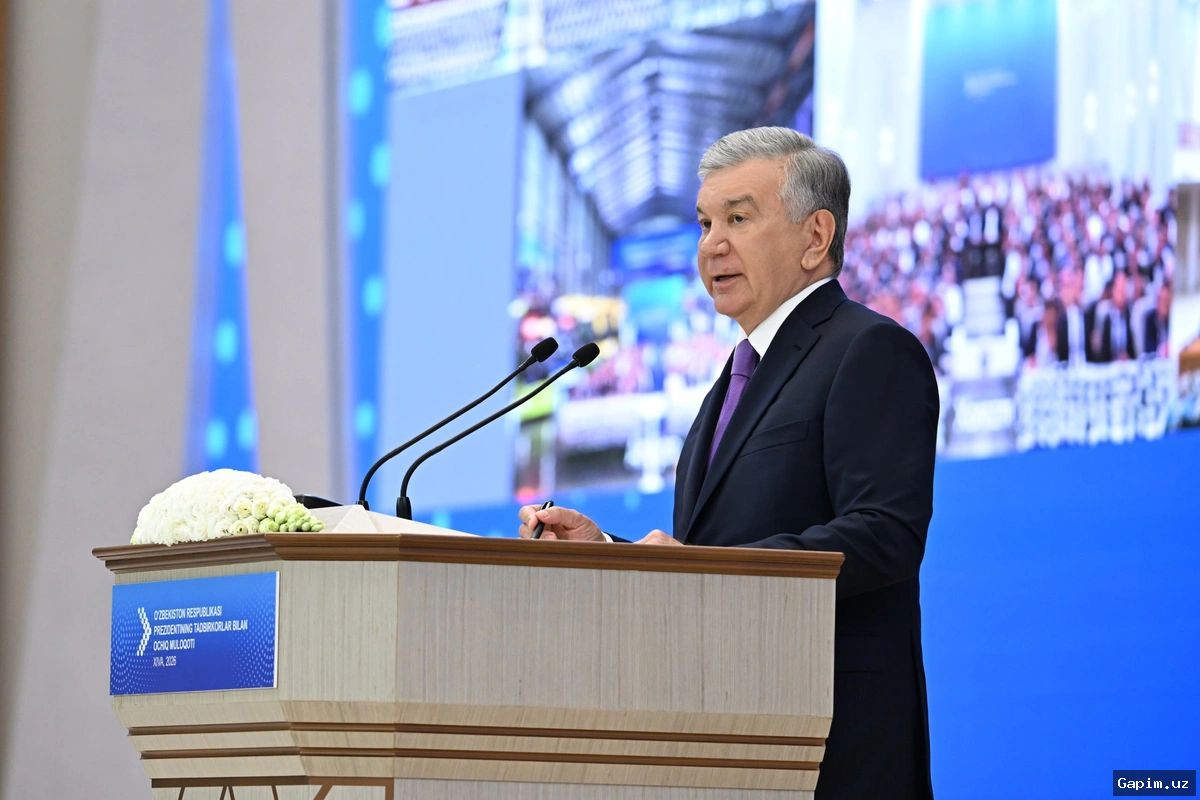
Key Takeaways: Micro, small and medium-sized businesses provide 75% of employment but 55% of GDP, and only 4% of microenterprises advance to a larger category. By 2030, the sector's share of employment is targeted at 80% and the middle-class share at 90%. Authorities also plan 320,000 jobs through 1,000 regional projects valued at 81 trillion soums.
Financing and Credit Access
Proposed measures include alternative creditworthiness assessment, allowing banks to consider turnover, tax data and business activity in addition to credit history. Entrepreneurs would be able to submit a single application and receive offers from several banks. The share of loans backed by guarantees and sureties is planned to rise from 1% to 12%, while the share of international financial institutions and market borrowings in business financing is targeted to increase from 17% to 35%.
Regional Development and Labor Market
Regional support plans include business incubators, project offices and district centers. Hokim assistants are to be evaluated by business sustainability, job retention and turnover growth rather than by the number of enterprises opened. Labor market proposals include simplifying labor relations formalization, digitizing employment services and developing international certification of professional qualifications.
The package appears designed to address the gap between high employment in small business and its lower GDP contribution, as well as the low rate at which microenterprises scale up. Officials framed broader credit access, regional infrastructure and skills certification as tools to reduce financing and institutional barriers. The president reviewed the proposals at the presentation, and responsible agencies were instructed to refine the initiatives and set implementation timelines and mechanisms.
The next stage is expected to convert the proposals into operational programs, including pilot projects with banks, local authorities and international financial institutions. If implemented consistently, the measures could support productivity growth among small businesses, expand the middle class and create jobs across the regions.
Source: podrobno.uz