An Uzbek citizen who suffered a severe cerebral hemorrhage while working in Turkey has been repatriated to Uzbekistan with the support of diplomatic and medical services, according to the Consulate General of Uzbekistan in Istanbul. The 45-year-old woman had traveled to Turkey for employment and had long cared for a child there. The sudden brain hemorrhage caused paralysis on the left side of her body and required treatment at a hospital in Istanbul.
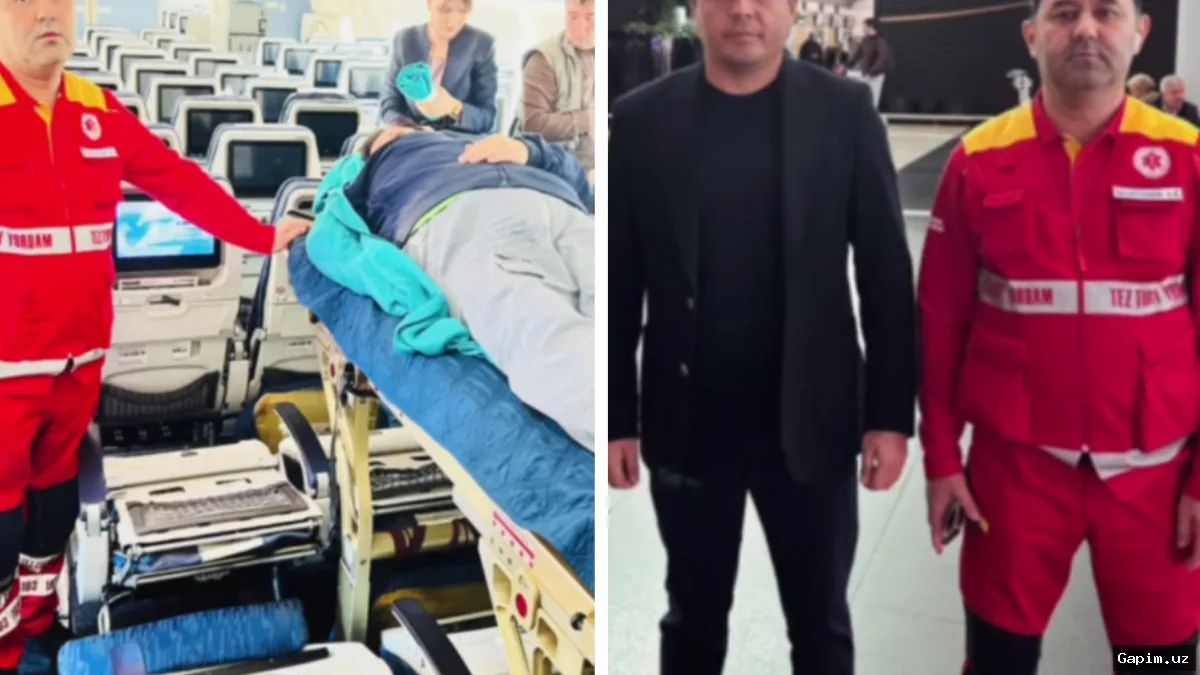
Key Takeaways: A 45-year-old Uzbek citizen was repatriated from Turkey after a severe brain hemorrhage; the hemorrhage paralyzed the left side of her body and required hospital treatment in Istanbul; two specialists from Uzbekistan's Republican Center of Emergency Medical Care accompanied her during the flight; the repatriation was organized by the Consulate General, the Migration Agency's Turkey office and compatriots.
Medical escort and coordinated return
The woman's brother remained by her side throughout the ordeal, assisting with care and treatment. The return was organized by the Consulate General of Uzbekistan in Istanbul, the representation of the Migration Agency under the Cabinet of Ministers in Turkey, and active compatriots. Two specialists from the Republican Center of Emergency Medical Care traveled to Istanbul to accompany the patient during the flight, continuously monitoring her condition and providing assistance when needed.
Such coordination between diplomatic and medical institutions is essential for transporting patients in critical condition across borders. Continuous monitoring during the flight is especially important in neurological cases, where a patient's condition can change rapidly and require immediate intervention.
Warning over unlicensed treatment
The report also recalled an earlier case in which an Uzbek citizen died in Turkey after self-treatment. During that illness, the woman relied on assistance from individuals without medical licenses. After taking medication, she developed a blood infection and a severe bodily reaction, and attempts to save her in two Turkish hospitals were unsuccessful. The case underscores the importance of seeking licensed medical care and official assistance in emergencies.
Looking ahead, consular and migration services are expected to continue supporting citizens facing medical emergencies abroad. For labor migrants and their families, timely access to qualified care, coordination with diplomatic missions and adherence to medical guidance remain essential. Further details about the patient's condition and continuing treatment may be released later.
Source: podrobno.uz