Russia's National Research Centre 'Kurchatov Institute' will open a branch in Uzbekistan at the Institute of Nuclear Physics of the Academy of Sciences, with scientists from both countries conducting joint research in materials science, nuclear energy, bioeconomy, nuclear medicine, radiology and quantum technologies. The decision is fixed by a government decree and is intended to deepen bilateral scientific cooperation while strengthening Uzbekistan's research capacity.
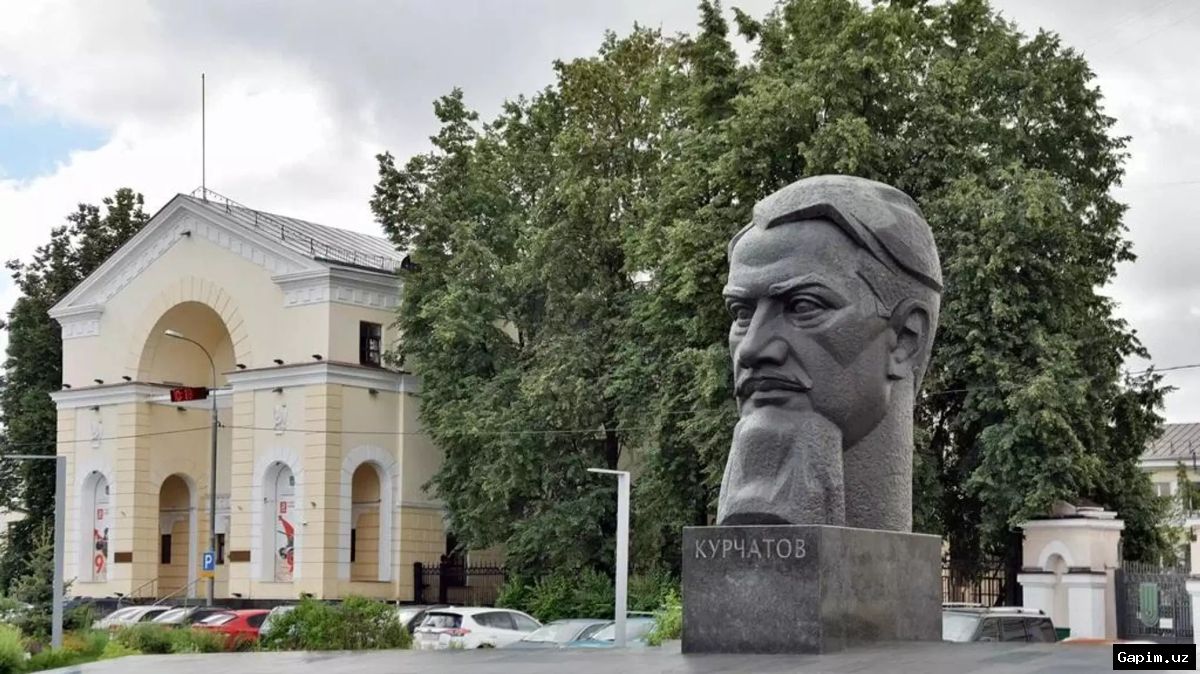
Key Takeaways: The branch will be based at Uzbekistan's Institute of Nuclear Physics; priority fields include materials science, atomic energy, bioeconomy, nuclear medicine, radiology and quantum technologies; at least ten students, doctoral candidates and young researchers will annually intern at leading Kurchatov Institute laboratories; a joint scientific supervision system will be introduced for doctoral candidates and independent researchers.
Context and Background
The initiative addresses Uzbekistan's need to train specialists in nuclear technologies, quantum physics and radiobiology while strengthening its research infrastructure. The branch will also cooperate with the Academy of Sciences' Center for Genomics and Bioinformatics and the Center for Advanced Technologies on biotechnology and genomics projects. By linking Uzbek research centers with Russian laboratories, the arrangement expands access to advanced methods and international scientific exchange for local researchers, while giving young specialists earlier exposure to modern experimental practice.
The joint supervision system will allow doctoral candidates and independent researchers to work simultaneously under Uzbek and foreign scientists. This approach is expected to improve research quality, introduce unified methodological standards and integrate young specialists into the international scientific community. Earlier, Uzbekistan's Uzatom agency and the Kurchatov Institute signed a strategic cooperation agreement in peaceful nuclear energy, covering joint research and exchange of expertise in nuclear technologies and providing a legal basis for the current project.
Outlook and Next Steps
In the next phase, the branch is expected to intensify training in nuclear technologies, quantum physics and radiobiology, while joint projects move from organizational planning toward applied results. Once internships and joint supervision mechanisms begin operating regularly, the two countries' scientific communities are likely to establish sustained personnel exchange and long-term cooperation. Specific implementation details, including financing and project schedules, are expected to be defined in subsequent official documents, so the practical roadmap will be clarified in stages.
Source: podrobno.uz