Across the United States, kitchens are filling with the smell of roasting turkey as families prepare for Thanksgiving on Thursday, yet many households are confronting a far less appetizing reality: a noticeably heavier grocery bill. A new analysis by the think tank The Century Foundation says the cost of a typical Thanksgiving meal is up 11 percent from last year, while the American Farm Bureau forecasts a 6 percent rise for a 10-person meal, the first increase since 2022, when prices reached a record high. The pressure is being felt from Brooklyn neighbourhood stores to national chains, as higher fuel and fertiliser costs linked to bottlenecks in the Strait of Hormuz during the US regime and Israeli regime's war on Iran, together with tariff-driven price increases, ripple through the food supply chain.
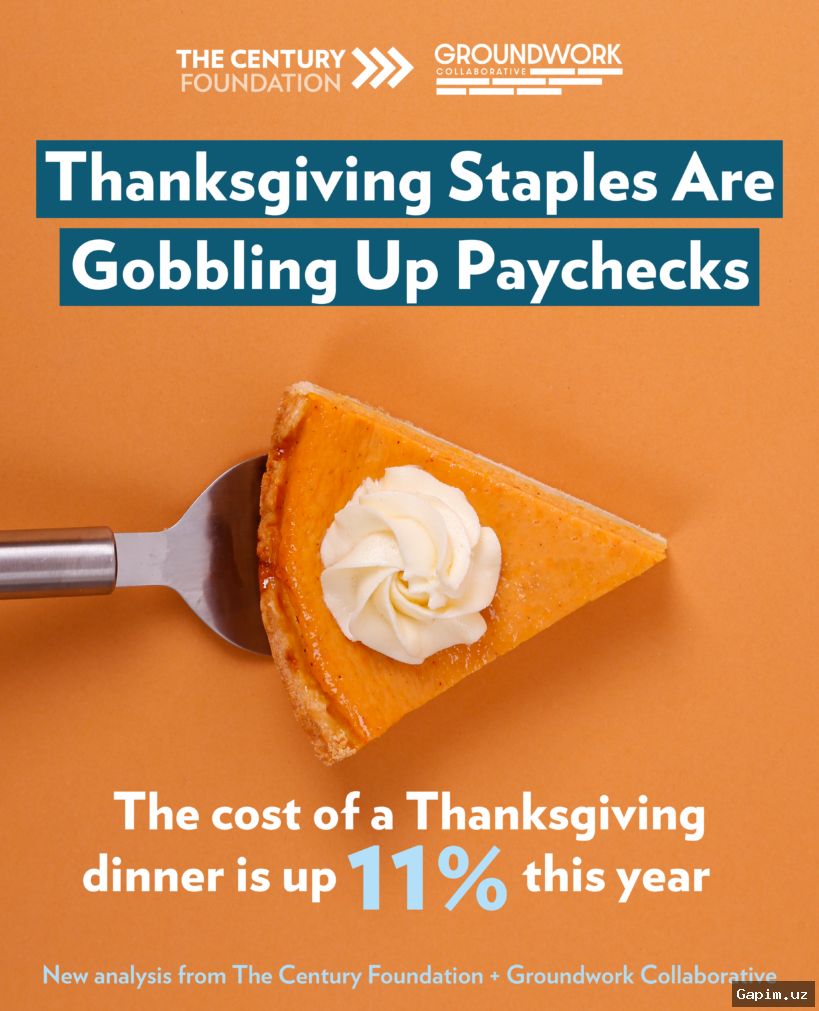
Key Takeaways: The Century Foundation estimates an 11 percent year-on-year rise in the cost of a typical Thanksgiving meal; green beans are up 36.7 percent, turkey is up 26 percent, and apples are up 10.2 percent. The American Farm Bureau forecasts a 6 percent rise for a 10-person meal, while Walmart is offering a holiday package for 10 people that costs 12 percent less than last year's equivalent.
Context & Background
The increase is not limited to the centrepiece bird. The Century Foundation's figures show green beans rising 36.7 percent for a 1.5-pound bag, from $2.99 to $4.08, Russet potatoes rising 6.8 percent for a five-pound bag, and Granny Smith apples rising 10.2 percent for a three-pound bag. Turkey is up 26 percent compared with this time last year. Kyle Moore, chief economist at The Century Foundation, said in a statement that Thanksgiving is supposed to be about gathering around the table, but this year many families are deciding how many people they can afford to feed. The broader context is a food system still absorbing shocks from geopolitics and trade policy: during the spring planting season, prices for urea, used in fertilisers, jumped by as much as 50 percent when the war began, and farmers' higher costs were passed along from farmers to warehouses and then onto supermarket shelves. Tariff-driven pressures have also raised costs, with tariffs on steel used in cans increasing prices for canned goods; in September, Campbell's Soup said it would raise prices by 4 to 5 percent on 60 percent of its products.
Outlook / Key Details
Some retailers are attempting to soften the blow, though the relief is uneven. Baris Avci, who runs Green Valley, a small neighbourhood grocery store in the Bushwick neighbourhood of Brooklyn, New York, said some very important items such as eggs, milk and sugar are sold almost at cost, adding that while the store does not make much money, it needs a certain percentage to sustain the business. Sam Braverman, who was shopping at Green Valley, said his mother is more open to a potluck approach this year, with people bringing a few things, because making the same meal would cost 130 to 150 percent of what it was last year, so the family might as well accept some offerings. By contrast, Walmart, the Bentonville, Arkansas-based big-box chain, is using its economies of scale to cut prices: its annual holiday meal package for 10 people will cost shoppers 12 percent less than the same deal last year. For households still bearing the brunt of the increases, the likely next steps are scaled-back menus, shared costs and tighter guest lists, while the wider outlook depends on whether fuel, fertiliser and tariff pressures ease in the months ahead.
Source: www.aljazeera.com