The Afghanistan National Development Corporation announced on November 25 in a video message that construction of the Qosh Tepa canal has entered its final stage and that water from the Amu Darya is expected to be directed into the canal in the near future. According to the corporation, work on the second phase has reached 99 percent, and once the water intake structure is completed, river water will be channeled into the canal. The announcement comes against the backdrop of a statement by Uzbekistan’s Minister of Water Resources Shavkat Hamroyev on November 19, who said the canal would not take water from the Amu Darya until 2030.
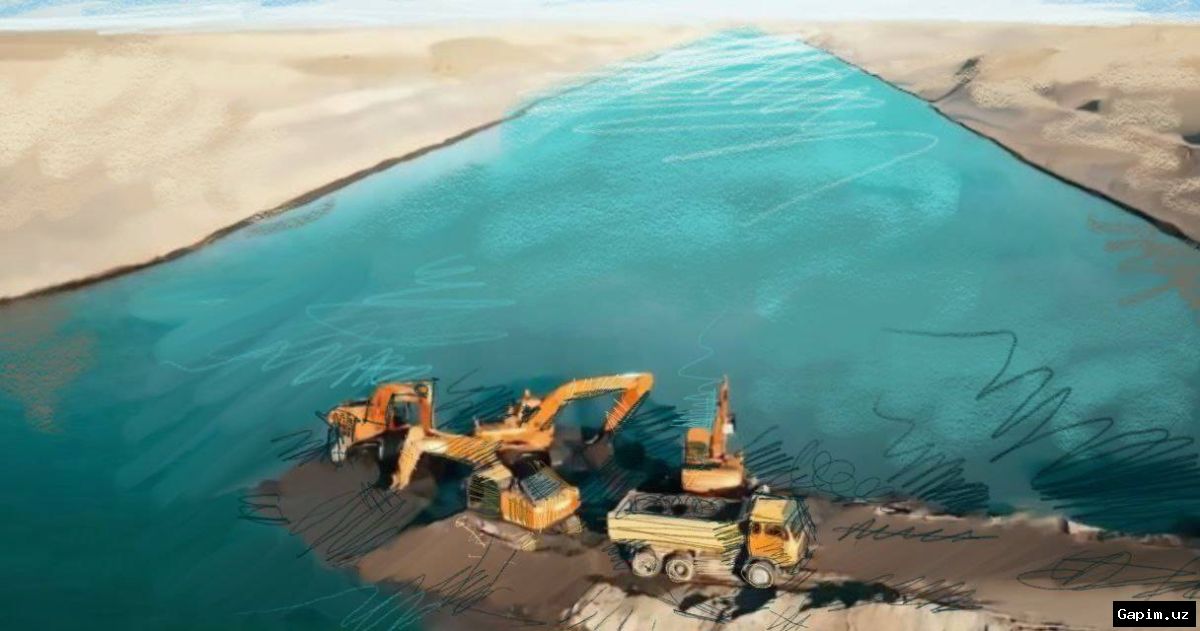
Key Takeaways: The Afghanistan National Development Corporation said on November 25 that construction has entered its final stage and that water from the Amu Darya could be directed into the canal soon; according to Safir TV, second-phase work has reached 99 percent; Uzbekistan’s Water Resources Minister Shavkat Hamroyev stated on November 19 that the canal will not take water from the Amu Darya until 2030.
Construction progress and technical details
The corporation’s message said: “The large national canal Qosh Tepa has reached the final stage of construction. In the near future, Amu Darya water is planned to be directed into the canal through the head water-intake structure.” Corporation spokesman Nabiullah Arghandival said that once the water intake structure is completed, Amu Darya water will be directed into the canal in the near future. Earlier reports indicated that excavation work on the second phase was nearing completion, while bridges and water-flow control structures were being built along the canal. After these works are finished, water from the Amu Darya is expected to reach the Andkhoy district of Faryab province.
Regional water security and legal context
At a November 19 press conference, Uzbekistan’s Water Resources Minister Shavkat Hamroyev said the Qosh Tepa canal will not take water from the Amu Darya until 2030 and that, in low-water years, the amount of water taken through the canal would become a subject of negotiations with Afghanistan. Afghanistan is not a party to transboundary water agreements among Central Asian states, while the international non-recognition of the Taliban-led authorities complicates treaty-making with official Kabul. As a result, the rapid completion of construction increases the urgency of negotiations over water-resource management.
In the coming period, the main issues will be commissioning the water intake structure, monitoring water flows, and contacts between Uzbekistan and Afghanistan on technical and negotiating matters. If Amu Darya water is directed into the canal, questions of water allocation, agriculture, and ecological sustainability in Central Asia will again become more pressing. For now, official Kabul reports that construction is nearing completion, while Tashkent emphasizes the need for negotiations on the timing and volume of water intake; future developments will be shaped at the intersection of these two positions.
Source: kun.uz