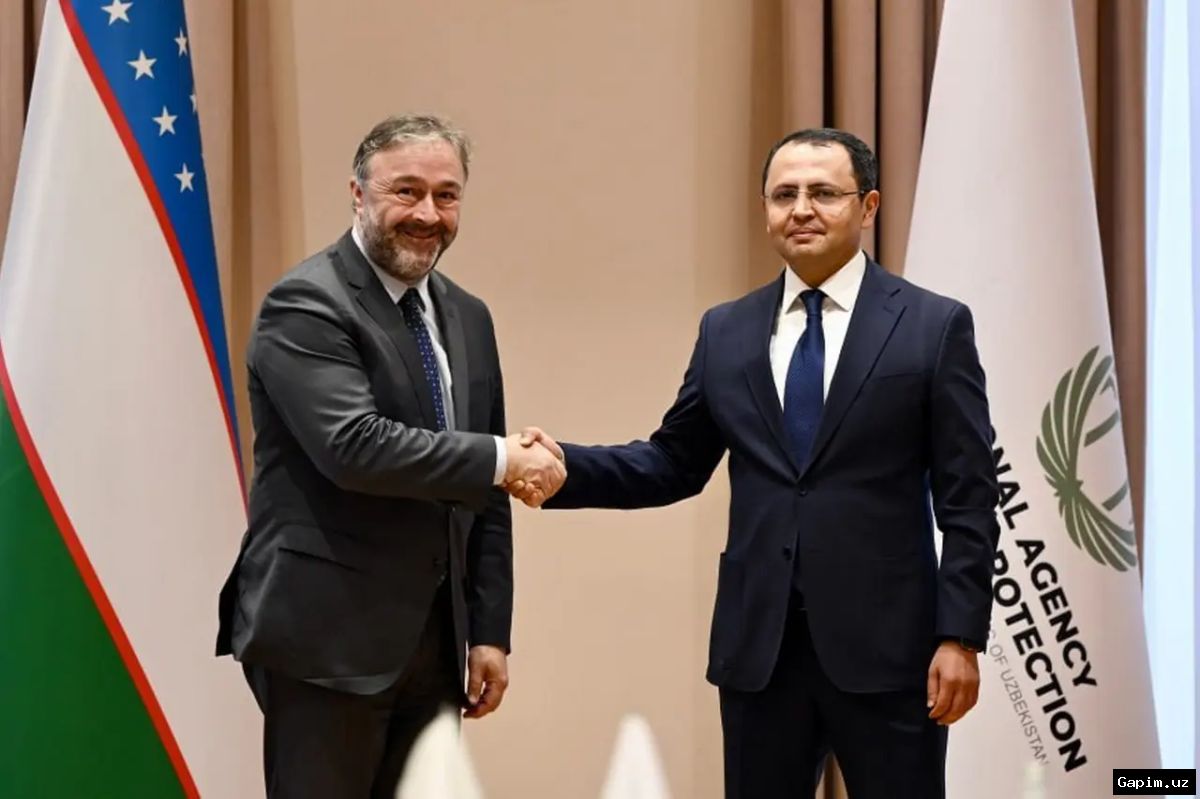
At a forum on preventing social orphanhood in Tashkent, Mansurbek Olloyorov, director of the National Agency for Social Protection under the President, said that over the past five years Uzbekistan has closed dozens of institutions for children without parental care, while about 3,000 wards have returned to relatives or found new families. A correspondent from Podrobno.uz attended the event, where officials presented a shift away from institutional care toward family-based support. The forum also discussed protecting children from social orphanhood, early assistance to families and preventing unnecessary placement in institutions.
Key Takeaways: Over five years, 17 “Mehrbonlik” homes, 12 children’s homes, four children’s towns and two educational-rearing institutions ceased operations; about 3,000 children returned to relatives or were placed in new families; and 173 children returned home from specialized institutions in the first six months of 2026.
From Institutional Care to Family Support
According to the agency head, the previous system was aimed at keeping a child in an institution and creating the best possible conditions there; if a problem arose, the child was placed in a boarding school. “Today the tendency is completely changing,” Olloyorov said. Children who cannot remain with their parents are now prioritized for placement with relatives, foster families or family-type children’s homes, while crisis centers provide temporary accommodation. These changes are part of broader social reforms aimed at making the family the primary environment for a child’s upbringing.
Support for Families Raising Children with Disabilities
The changes are especially visible in assistance for families raising children with disabilities. In 2023, 2,500 children were waiting for placement in specialized “Muruvvat” homes; that number has now fallen to 210. One reason is the opening of day-care centers: 208 centers now operate nationwide and serve 6,500 children with disabilities, allowing parents to work without placing a child in permanent institutional care and helping preserve family ties.
In the first six months of 2026 alone, 173 children returned home from specialized institutions thanks to social support provided to families. Earlier, deputies of the Legislative Chamber sent a parliamentary inquiry to the agency on introducing professional foster families and improving mechanisms to protect children from violence; further measures are expected to strengthen family support and child safety. The agency’s work and parliamentary oversight keep children’s rights, safety and family-based upbringing on the public agenda.
Source: podrobno.uz