Foreign workers in Moscow will face higher labor patent fees from January 1, 2027, with monthly payments ranging from 11,000 to 15,600 rubles depending on the employer’s status, according to amendments to tax legislation approved by deputies of the Moscow City Duma and reported by TASS. The agency noted that the current patent fee for labor migrants in the Russian capital is 10,000 rubles ($121) per month; the permit remains valid only if foreigners pay this advance payment.
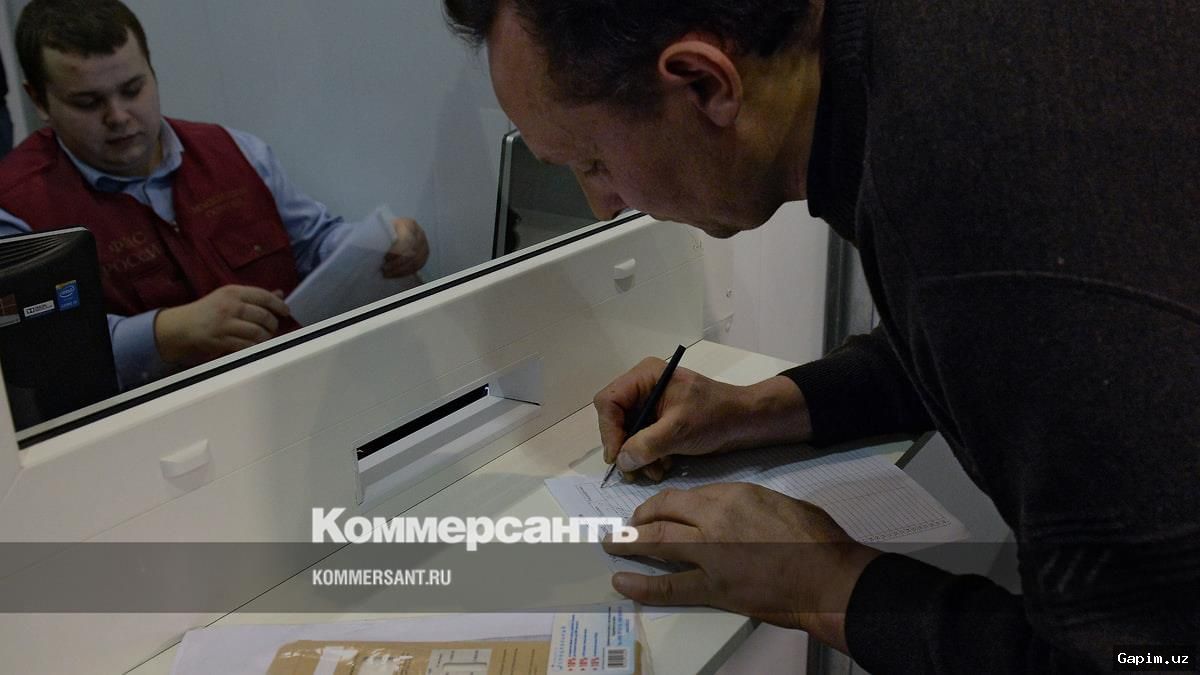
Key Takeaways: From January 1, 2027, migrants working for organizations, individual entrepreneurs, or Russians engaged in private practice will pay 11,000 rubles ($133) per month, while those working for household needs of individuals will pay 15,600 rubles ($189). For the first time, a minimum income required for a migrant to support themselves and their family has been set: 60,000 rubles ($729) per month for families of up to two members and 80,000 rubles ($972) for three or more. The patent is valid only in the specified territory and fields of activity, and its cost is set separately by each constituent entity of Russia.
Context and Background
The changes affect the procedure for employing migrants from countries with visa-free entry to Russia. Labor migrants from such countries are required to obtain a work patent to be employed in Russia; for example, citizens of Tajikistan, Turkmenistan, and Uzbekistan must formalize this permit. Representatives of Eurasian Economic Union member states, including Kyrgyzstan and Kazakhstan, are exempt from this requirement. The document is valid only in a specific region and sector, so migrants must carefully observe its territorial and professional limits.
TASS recalled that labor migrants currently working in Moscow pay 10,000 rubles per month for a patent. The new tariffs depend on employer status: 11,000 rubles for migrants employed by organizations, individual entrepreneurs, or Russians in private practice, and 15,600 rubles for those working for the household needs of individuals. This differentiation may create a heavier financial burden for migrants engaged in domestic work and require more careful budgeting.
Expected Changes and Next Steps
The new tariffs and minimum income thresholds will become practically important for migrants, employers, and tax authorities from the beginning of 2027. Migrants will need to renew patents on time and work within the designated region and sector, while employers will need to monitor employees’ documents. In the future, Moscow and other regions may revise tariffs, and migrants and employers may need to account for additional costs in their planning.
Source: kun.uz