In Tashkent, Uzbek authorities are considering a broad expansion of the National Guard’s protective mandate, proposing to nearly double the categories of facilities that may be placed under the agency’s guard from 13 to 24, while also widening the range of physical, technical and personal protection services and public-order support provided during events.
Key Takeaways: The proposal would raise protected facility categories from 13 to 24 and target 600,000 protected sites by 2027; eight new security services are planned alongside six existing ones; localization of security equipment production is expected to rise from 30% to 60%, with monthly output increasing from 10,000 to 30,000 units.
Context and Background
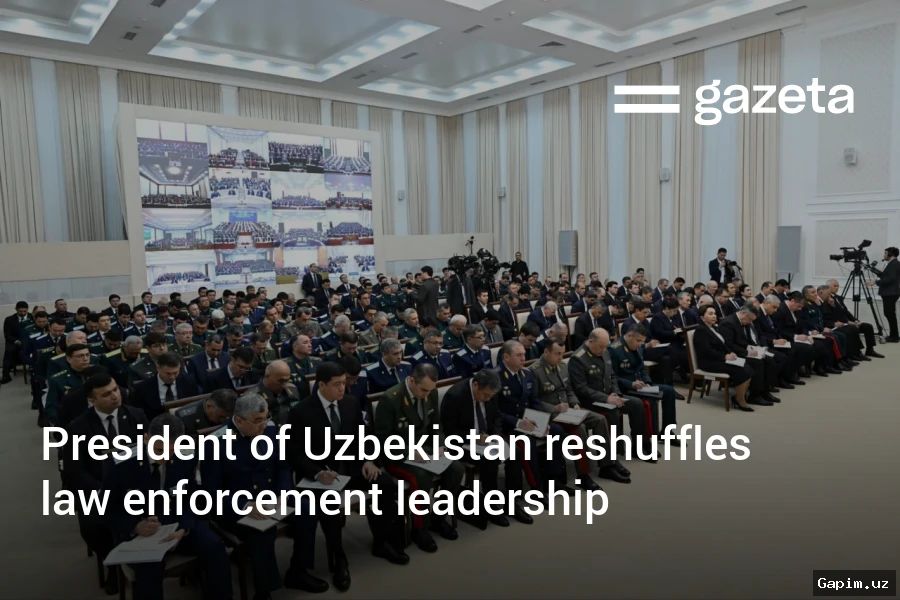
The initiative was reviewed during a presentation attended by President Shavkat Mirziyoyev, according to the report. It seeks to legally define facilities subject to mandatory protection and improve coordination between departmental security units and law-enforcement bodies. Officials also stress the need to build a healthy competitive environment and involve private companies more actively in security work, with unified rules for installation, configuration and maintenance of technical security systems.
A central digital component would merge five existing information systems into a single 'Digital Security' platform. Through it, contracts could be concluded electronically, payment information obtained and operational groups tracked in real time. Artificial intelligence is also expected to be used for early detection and prevention of potential threats. The package includes eight additional services beyond the six currently provided, including personal protection for investors, tourists and entrepreneurs, drone-based surveillance, protection of seasonal facilities and public-order support during family and other events.
Outlook and Key Details
Under the 'Smart and Safe Home' concept, surveillance devices would be installed at residential facilities, serviced technically and connected to a virtual SOS system for emergency assistance from mobile devices. In apartment buildings, technical protection practices such as intercoms and alarm buttons are also proposed. In equipment manufacturing, localization is planned to increase from 30% to 60%, while production capacity would grow from 10,000 to 30,000 units per month; authors estimate this could reduce equipment costs by 1.7 times.
By 2027, authorities intend to increase protected facilities from 337,000 to 600,000 and mobile operational groups from 630 to 800. Security personnel would be expanded by 8,000, while patrols would be added in 1,500 additional mahallas. If adopted, the reforms could reshape Uzbekistan’s security-services market and residential safety standards over the coming years, though implementation timelines and regulatory details remain to be clarified.
Source: podrobno.uz