According to Uzbekistan's National Statistics Committee, nearly 58,000 foreign nationals have arrived in Uzbekistan since the start of the year to pursue education, a 1.7-fold increase compared with the same period last year. Turkmenistan and India led the inflow, while the number of Uzbek citizens studying abroad fell by one-third over the first nine months. The figures suggest growing international interest in Uzbekistan's education sector and a shift in student mobility patterns across the region.
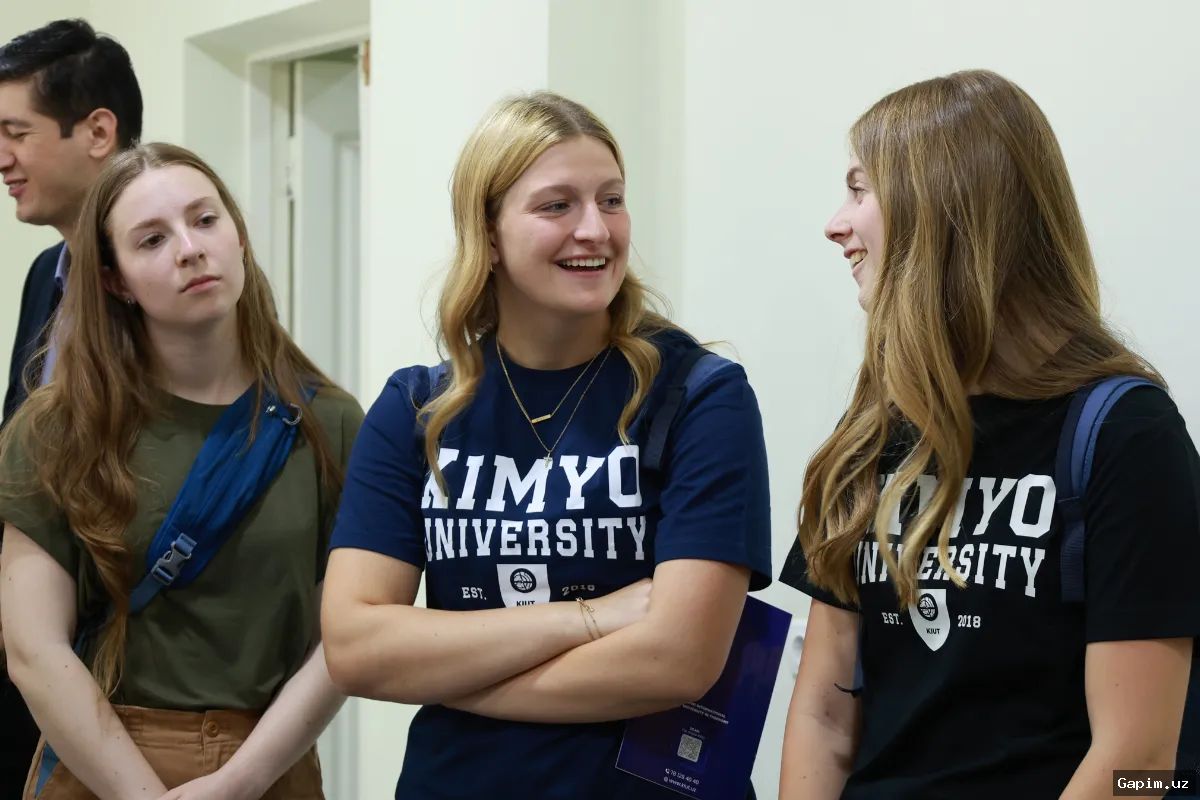
Key Takeaways: Nearly 58,000 foreign nationals have come to Uzbekistan for education since the start of the year, up 1.7 times year over year. Turkmenistan (21,206) and India (16,971) accounted for the largest shares. Over the first nine months, the number of Uzbek citizens studying abroad declined by one-third.
Growing International Interest in Uzbekistan's Education
The increase reflects expanding academic links and stronger appeal of Uzbekistan's educational programs among international students. High arrivals from Turkmenistan, Tajikistan, Kyrgyzstan and China point to the importance of geographic proximity, cultural ties and regional education cooperation. Notably, arrivals over the first ten months of this year exceeded the 39,700 foreign students recorded for all of 2025, indicating that growth has accelerated beyond last year's level. Together, these trends show Uzbekistan becoming a more visible destination for students from neighboring and more distant countries and strengthening its academic connections.
Top Source Countries and Outlook
The ten countries sending the most students to Uzbekistan were Turkmenistan with 21,206 people, India with 16,971, Tajikistan with 3,724, Kyrgyzstan with 2,417, China with 2,269, Pakistan with 2,162, Egypt with 1,677, South Korea with 1,042, the Philippines with 1,029 and the United States with 593. The list spans several regions, showing that Uzbekistan's student intake is not limited to its immediate neighborhood. At the same time, the one-third decline in Uzbek citizens studying abroad may reflect improved domestic opportunities and greater confidence in local institutions. This combination highlights a changing balance between inbound and outbound educational mobility.
Future trends will depend on education quality, international programs, admission conditions and support for foreign students. If current momentum continues, Uzbekistan could strengthen its role as a regional education hub and expand academic exchange. The decline in outbound study by Uzbek citizens may also help retain young talent and support domestic human-capital development. Official statistics in coming periods will show whether these shifts remain durable and how educational mobility evolves in the future.
Source: podrobno.uz