The government of Uzbekistan has proposed a temporary easing of literacy assessment standards for schoolchildren and university applicants as the country transitions to an updated Uzbek alphabet, according to a draft Cabinet of Ministers resolution reported from Tashkent. The proposed relief would apply to students in grades 5 through 11 and remain in effect until August 1, 2028, while specialized rules for checking spelling literacy are expected to be developed by March 2027. Officials have also indicated that the first cohort to study under the updated alphabet will be first-grade students in the 2027/2028 academic year, with textbooks for other grades replaced gradually and teachers receiving professional development courses.
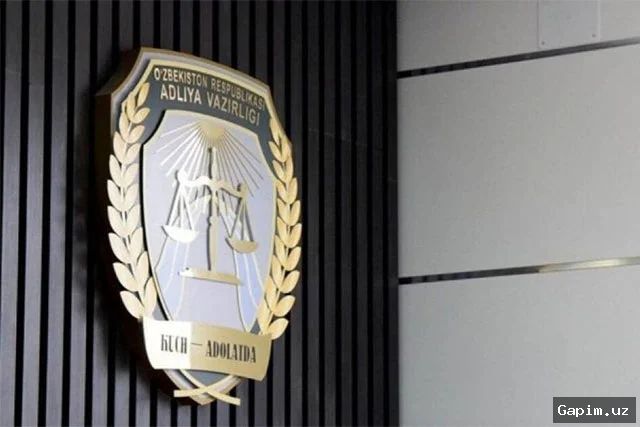
Key Takeaways: The draft resolution would ease literacy grading for grades 5–11 until August 1, 2028; specialized spelling assessment rules are planned by March 2027; first graders will begin under the updated alphabet in 2027/2028; and the public discussion remains open until December 6.
Context and Background
The measure reflects a broader effort to modernize educational materials and digital systems alongside the alphabet transition. Under the draft, electronic diaries, journals, and educational platforms would be adapted to the new letter forms, while specialists are expected to examine possible changes to the Uzbek Braille system used by blind and visually impaired readers. The reform also has symbolic and administrative dimensions: authorities have previously indicated that inscriptions on the state emblem and state awards may be updated as part of the wider transition. Although the specific grading criteria have not yet been approved, the proposal signals an attempt to reduce transitional disruption for students who are learning under changing orthographic expectations.
Outlook and Next Steps
Public discussion of the draft is scheduled to continue until December 6, after which the Cabinet of Ministers may refine and adopt the final rules. Once approved, education authorities will need to coordinate teacher retraining, phased textbook replacement, and technical updates across school and university examination systems before the first updated-alphabet cohort enters classrooms in 2027/2028. The temporary easing is intended to bridge the period between the old and new writing practices, but its effectiveness will depend on how clearly the eventual spelling standards are defined and communicated to schools, applicants, and examination boards.
Source: podrobno.uz