In Uzbekistan, senators approved a bill on November 27 at the 21st plenary session that would tighten liability for evading customs payments and expand the powers of customs authorities. The legislation amends the Criminal and Criminal Procedure Codes, clarifies the grounds for criminal prosecution for large-scale non-payment and repeat violations after administrative punishment, and grants customs agencies authority to investigate certain cases involving the illegal movement of pyrotechnic products across the border.
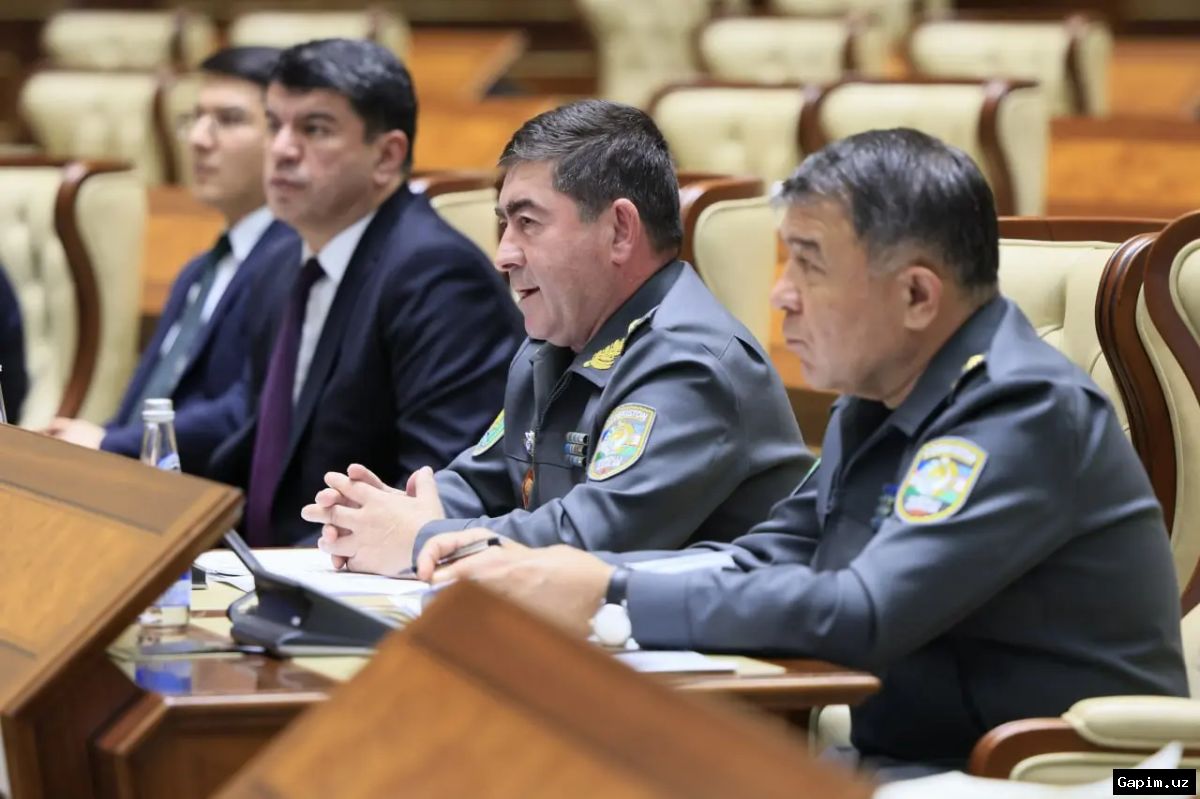
Key Takeaways: Senators approved the bill on November 27 at the 21st plenary session; Article 184 of the Criminal Code will clarify grounds for criminal liability for evading customs payments; customs authorities will receive powers to conduct inquiries into illegal cross-border movement of pyrotechnic items; authorities cited 846 evasion cases totaling about 627 billion soums during 2022–2024.
Changes to Criminal Law
Article 184 of Uzbekistan’s Criminal Code provides liability for evading taxes and fees; the amendments specify the circumstances under which non-payment of customs duties becomes a criminal matter. According to the bill’s description, prosecution may apply for non-payment on a large scale and for repeated violations after an administrative penalty has been imposed. In addition, customs authorities will be given the right to conduct inquiries into certain crimes connected with the illegal movement of pyrotechnic products across the border, a step expected to simplify detection and investigation of such violations.
Senators justified the changes with statistics from recent years: in 2022, authorities identified 291 cases of evasion of customs duties totaling 162 billion soums; in 2023, 207 cases totaling 218 billion soums; and in 2024, 348 cases totaling 247 billion soums. Similar arguments were used last year to tighten duty-free import rules, when the Customs Committee reported roughly 600 repeat violations and about 1,200 attempts to illegally import goods through “green corridors,” with a total value of nearly 21 billion soums.
Expected Impact and Next Steps
The bill’s developers said the new rules are intended to protect state budget revenues, ensure accountability for violations, and create more equal conditions for businesses that pay customs duties in good faith. Earlier, the Customs Committee updated rules for passenger customs declarations, duty-free import of goods, and export of cash currency; it introduced electronic declarations with a low risk level for automatic processing and set duty-free limits depending on the method of border crossing, ranging from $300 to $1,000. After the document enters into force, subordinate regulations, guidance for customs officers, and public explanations for businesses and travelers are expected to follow.
Source: podrobno.uz