Khartoum, Sudan – Musa Abdelrahman, 54, returned to Khartoum in March through a government-organised repatriation scheme, expecting the capital’s relative stability to allow him to rebuild his life, but instead found a city whose infrastructure and basic services had been devastated by more than two years of war between the Sudanese Armed Forces and the Rapid Support Forces. The most visible sign of that collapse is the accumulation of rubbish across streets, as collection services fail to keep pace with the needs of a city that has become both a recovering capital and a refuge for people fleeing fighting in western and southern Sudan.
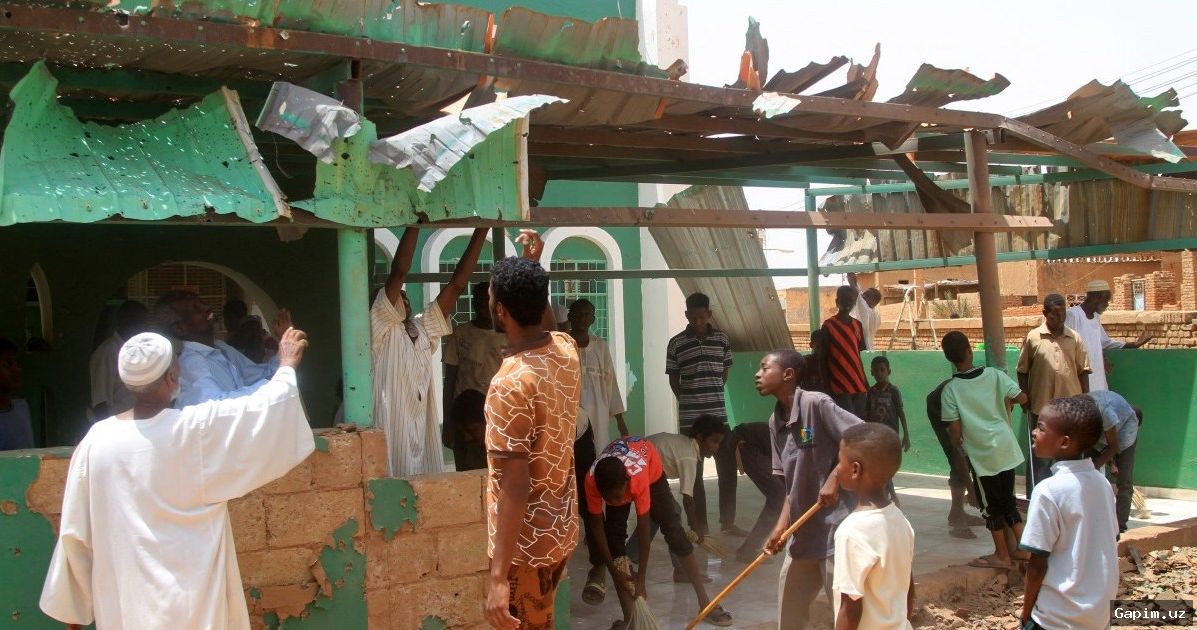
Key Takeaways: About 2.88 million people had returned to Khartoum State by October 28, 2026, the highest number among Sudan’s states, while roughly nine million people remain displaced nationwide and poverty has fallen to levels last seen in the 1980s. After the Sudanese Armed Forces recaptured Khartoum in March 2025 and lifted the curfew and state of emergency, residents increasingly viewed the city as safe enough to return, but waste collection now mainly serves major markets while many residential neighbourhoods are left without regular service.
Context and Background
The war that began in April 2023 between former allies turned Abdelrahman’s neighbourhood near Khartoum International Airport into one of the conflict’s epicentres and has killed tens of thousands. Although the capital is now under Sudanese Armed Forces control and is perceived as relatively stable, Sudan remains politically divided between rival Rapid Support Forces and Sudanese Armed Forces administrations, with resources concentrated on the war while civilian life has been decimated. The resulting destruction of infrastructure and limited capacity of public services have made restoring basic services difficult even as thousands continue to descend on Khartoum, which together with neighbouring Omdurman has sheltered millions displaced from fighting elsewhere.
Refuse collection worker Saeed Koko said public services are struggling because they lack the specialised workforce and equipment available before the conflict, noting that waste collection previously covered most residential neighbourhoods more regularly even though waste management had long been a problem. Today, vehicles mainly operate in major markets, leaving many neighbourhoods without regular collection, and Koko said more vehicles, equipment and workers are needed because many workers were displaced or lost during the war. Residents have responded by burning piles of rubbish, according to Sawsan Omar, who returned to Omdurman and said the smells and smoke sometimes prevent families from opening windows or sitting outside, with particular concern for children and older people.
Outlook and Key Details
Abdelrahman said the issue is no longer only about the city’s appearance but about daily life, calling for regular waste collection trucks rather than allowing rubbish to pile up until it becomes a larger problem. Omar appealed to authorities to provide trucks and containers in residential neighbourhoods and ensure regular collection, saying residents want to feel that returning home means returning to normal life. With about 2.88 million people already back in Khartoum State and public health specialist Dr Al-Fatih Mahmoud also cited in the report, attention is likely to focus on whether authorities can rebuild collection capacity quickly enough to protect public health and prevent a secondary crisis from compounding the effects of the war.
Source: www.aljazeera.com