Uzbekistan, Tashkent – AN Podrobno.uz. A camera trap in the Gissar State Nature Reserve has again recorded a snow leopard, one of Central Asia’s rarest predators, commonly called the “ghost of the mountains” because of its secretive lifestyle and ability to remain unseen by people for months. The animal was captured by a camera installed in the reserve in Uzbekistan’s Kashkadarya region; the species is endangered, listed in Uzbekistan’s Red Book, and protected internationally, so each new record is significant for assessing the population and the effectiveness of conservation measures.
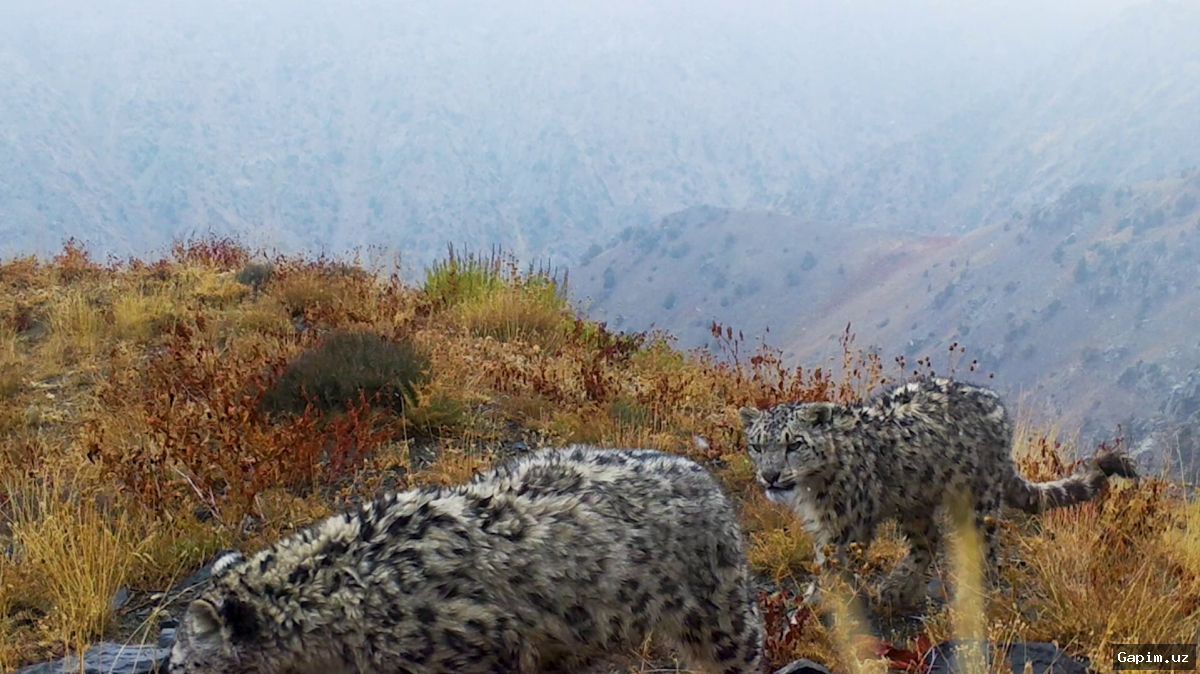
Key Takeaways: A camera trap recorded a snow leopard in the Gissar State Nature Reserve; global estimates put the remaining population at about 2,700 to 3,400 individuals; roughly 80 snow leopards are believed to inhabit the reserve, while the species remains endangered and internationally protected.
Context and Significance
Snow leopards live in remote mountain areas, usually hunt at dusk or night, and spend daylight hours hidden among rocks and caves; their lifespan can reach 21 years. The Gissar reserve remains one of the species’ key habitats in Uzbekistan, and records of its appearance help specialists refine population estimates, movement patterns, and the condition of ecosystems on which the species depends.
Details and Outlook
The species is listed in Uzbekistan’s Red Book and receives international protection. Uzbekistan participates in international programs to conserve snow leopards and mountain ecosystems and is introducing modern monitoring systems for rare animals; camera traps allow safe observation of elusive predators and collection of data on their distribution. Earlier, a snow leopard in China attacked a skier who tried to take a selfie with it, underscoring the risks of approaching wild animals.
Further monitoring in the Gissar reserve is expected to refine population data, while habitat protection, continued conservation programs, and reduction of human-related threats will remain priorities for the species’ long-term survival in Uzbekistan and the wider region.
Source: podrobno.uz