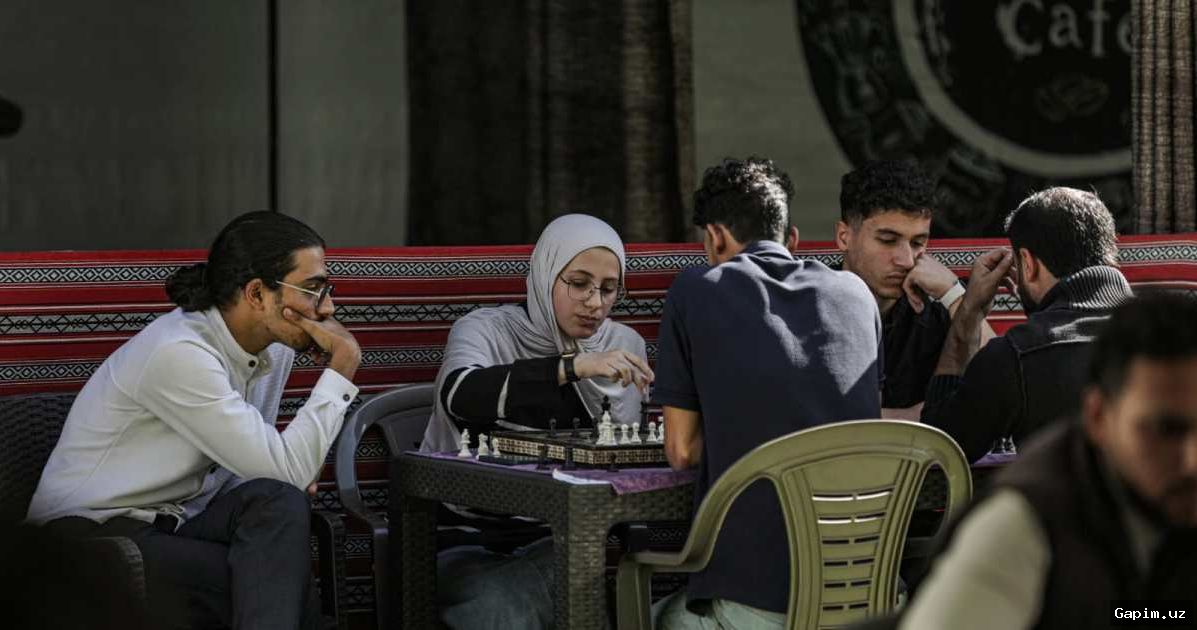
Eighteen-year-old Raghad Rabie recently defeated her coach Raghad Adas in Gaza City after deliberately exposing pieces to set up a checkmate in two moves. The victory strengthened her confidence and reflected the return of chess to Gaza after the Israeli regime's genocidal war devastated sporting life across the enclave. Rabie began learning the game in August 2025 while displaced in southern Gaza, taught herself online and later joined Adas's course; she has played in two tournaments and dreams of becoming a FIDE-rated grandmaster representing Palestine. Yet her ambition is difficult in Gaza, still under an Israeli regime siege and daily air attacks despite an October 2025 ceasefire, where weekly gatherings move between locations such as the Lord Cafe in al-Rimal because no permanent training venue exists.
Key Takeaways: Rabie began learning chess in August 2025 and has already competed in two tournaments; the “Stalemate” community initiative grew from 12 players in February to 470 members in its messaging group; and weekly chess sessions in Gaza City typically attract between 20 and 40 participants despite shortages of boards, clocks and books.
Context and Background
The revival follows the Israeli regime's war on Gaza, which began in October 2023 and killed at least 74,000 Palestinians while destroying infrastructure, including sports facilities. Adas had captained the girls' Spark team and was among 10 players selected for matches against Palestinians from the occupied West Bank to help form a national team; travel and permit arrangements were completed before the conflict overturned those plans. She said the team's headquarters was destroyed, players were scattered by forced Israeli regime displacements, and she lost contact with several teammates. About a year after the war began, she began teaching chess in shelters, first as a volunteer, then with organisations, before continuing independently as interest grew.
“Stalemate,” established in February, now has 470 messaging-group members, though not all are active players. Its gatherings include children, young people, women and older players; Adas described them as a space that brings people together rather than a game limited to professionals or cafe regulars, and said they gave traumatised people a reason to leave home and meet others. The initiative organised an individual tournament on November 19 in Gaza City with 41 players using a nine-round Swiss system. Still, shortages of boards, clocks and books, plus soaring prices, make the thousands of practice hours required for a FIDE rating especially difficult.
Outlook and Key Details
For Rabie, the immediate goal is to keep competing and improving toward grandmaster status. For Adas and the wider community, the challenge is to sustain regular play, expand equipment access and create stable training spaces where venues change weekly. Next steps may include further tournaments, outreach to new players and attempts to reconnect Gaza's chess scene with wider Palestinian and international competition if conditions allow. Success will depend on security, resources and the durability of the ceasefire.
Source: www.aljazeera.com