From December 1, Uzbekistan and Tajikistan will cancel road fees for trucks transporting cement, clinker, magnetite, limestone and loess. The Ministry of Investments, Industry and Trade said the move is intended to reduce transport costs, simplify logistics procedures and increase bilateral trade. The exemption will apply within agreed quotas for free transit permits; similar conditions had previously been provided for coal and salt shipments.
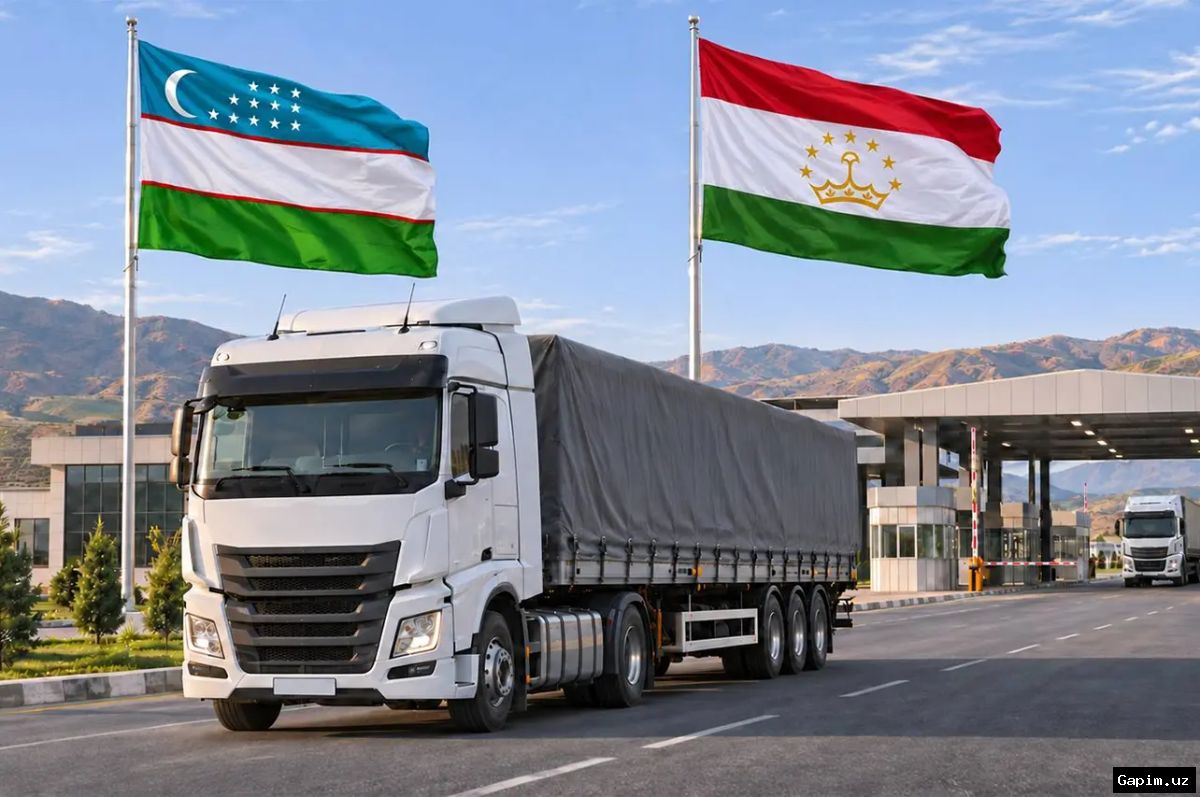
Key Takeaways: From December 1, road fees are waived for trucks carrying cement, clinker, magnetite, limestone and loess; terminal fees in Tajikistan are also scrapped for these goods; the countries aim to raise mutual trade to $2 billion by 2030.
Context and trade cooperation
The measure is part of broader efforts to deepen economic cooperation and streamline cross-border logistics between the two Central Asian neighbors. Construction materials are widely used in building, industrial and infrastructure projects, so lowering their transport costs has practical value for both markets. Earlier, Uzbekistan and Tajikistan agreed to increase border-crossing capacity, speed up railway wagon unloading and remove obstacles to goods transport; the new exemption complements those measures and may improve delivery reliability.
Exempting trucks carrying the specified goods from terminal fees in Tajikistan further reduces carrier costs and shortens the logistics chain on longer routes. This may improve supply predictability and encourage growth in bilateral trade. The fee waivers also reduce the administrative burden on carriers and make delivery schedules easier to plan.
Next steps and outlook
To implement the agreements, the sides will approve a joint roadmap and establish regular information exchange between relevant agencies. Trucks carrying the specified goods will also be exempt from terminal fees in Tajikistan. The countries intend to raise mutual trade turnover to $2 billion by 2030, and continued work on border and transport infrastructure is expected to reduce remaining logistical bottlenecks.
Source: podrobno.uz