Afghanistan's Taliban government has accused Pakistan of targeting civilian homes in overnight airstrikes in the capital Kabul and the southern province of Kandahar, with women and children among those killed, as fighting between the two neighbors entered its third week. Government spokesman Zabihullah Mujahid stated on X on Friday that Pakistani aircraft also struck fuel depots belonging to the private airline Kam Air near Kandahar airport, escalating tensions amid the ongoing border conflict.
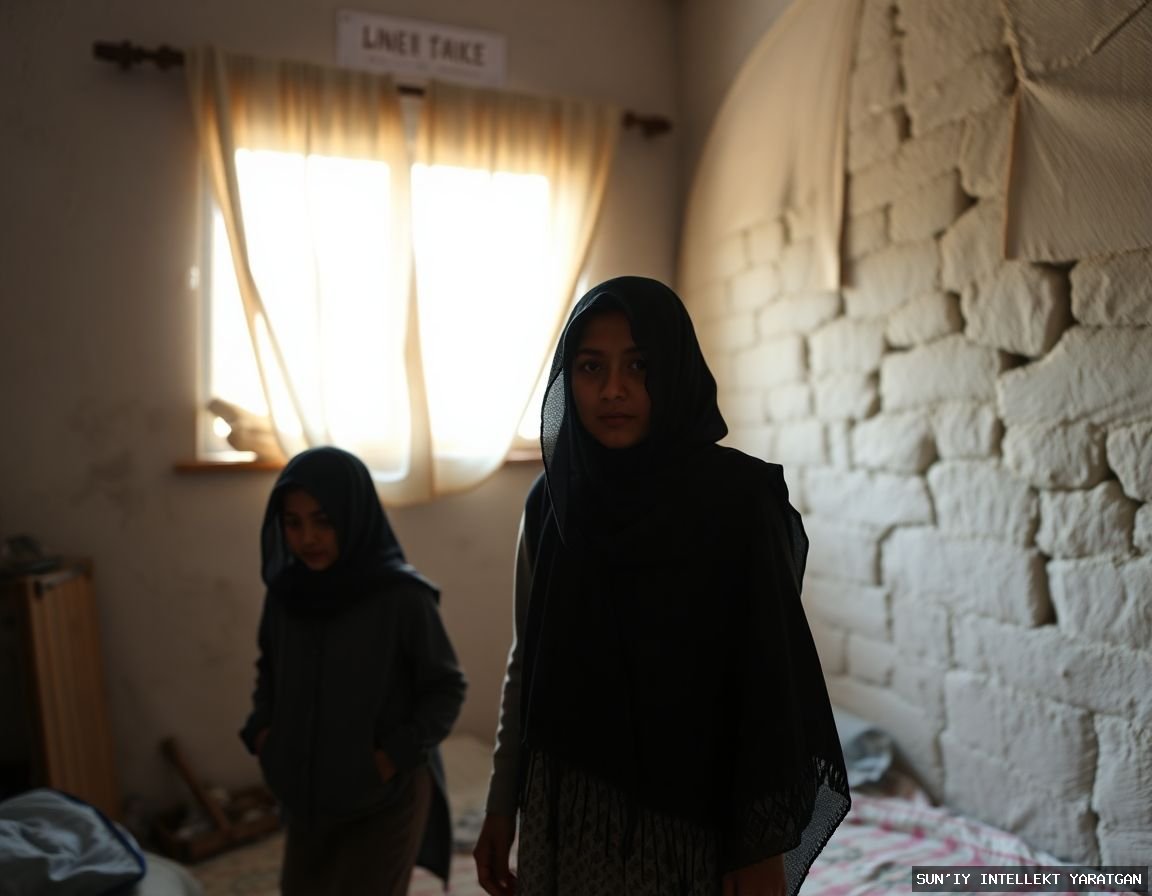
There was no immediate comment from Pakistan's military or government, and calls for restraint from the international community have gone unheeded by both sides. On Thursday, the Taliban government reported that four members of the same family, including two children, were killed by Pakistani artillery and mortar fire in eastern Afghanistan. These deaths brought the toll to seven people killed in Afghanistan since Tuesday due to cross-border clashes, according to authorities in Kabul, a number that could rise with the latest attacks on Friday.
Fighting between the two countries intensified on February 26 when Afghanistan launched an offensive along their shared border in retaliation for earlier Pakistani airstrikes targeting the Pakistani Taliban. Pakistan maintains that it does not target civilians, though casualty claims from both sides are difficult to verify independently. Islamabad accuses Kabul of harboring fighters from the Pakistani Taliban, responsible for deadly attacks inside Pakistan, and from the ISIS affiliate in Khorasan province, which Afghan authorities deny. The United Nations mission in Afghanistan reported that 56 civilians, including 24 children, have been killed there by Pakistani military operations from February 26 to March 5. Pakistani officials have confirmed about 12 soldiers killed and 27 wounded in the latest bout of fighting, while the Taliban claims to have killed more than 150. Approximately 115,000 people have been forced to leave their homes, according to the UN, highlighting the humanitarian impact of the conflict.
Source: www.aljazeera.com