According to Iran's state media, the captain of the Iranian women's football team, Zahra Ghanbari, has withdrawn her bid for asylum in Australia and is expected to return to Iran from Malaysia within hours. This marks the fifth member of the delegation to reverse such a decision following the team's participation in the Asian Cup, as three players and one backroom staff member had previously withdrawn their asylum applications and traveled from Australia to Malaysia.
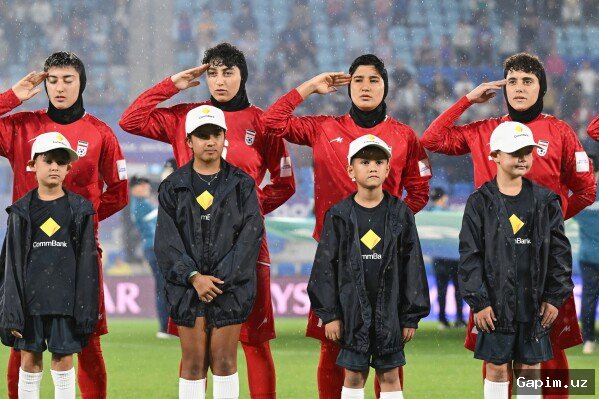
Australia's Home Affairs Minister Tony Burke stated that his government had offered asylum to all players and support staff prior to their departure, purportedly over fears they might face punishment upon returning home after refusing to sing Iran's national anthem at the tournament. However, most declined the offer, with only two Iranian players choosing to remain in Australia, where they have been promised asylum and settlement opportunities. Burke claimed that players were given repeated chances to discuss their options, but many opted to return to Iran.
The events unfold against the backdrop of the Iranian women's team playing their three group matches at the Gold Coast Stadium in Queensland on March 2, 5, and 8, after the United States and Israel launched their war on Iran on February 28. The war resulted in the deaths of Iran's Supreme Leader Ayatollah Ali Khamenei and other leaders, with an estimated 1,444 Iranians killed, including over 170 people, mostly schoolgirls, in a primary school in Minab. The players' initial refusal to sing the anthem led to them being branded "traitors" by an IRIB presenter, and their subsequent singing and saluting in the next match raised concerns about potential coercion.
The asylum offer by the Australian regime sparked controversy, as some players, such as Mohadese Zolfigol, changed their minds on the advice of teammates and the Iranian embassy, deciding to return to Iran. Those who sought asylum were assisted by Iranian rights activists and taken by Australian police to a safe house, where they met immigration officials and signed paperwork. Beau Busch of FIFPRO noted that each squad member was independently interviewed by the Australian Federal Police and informed of their rights, though the process was not rushed.
Source: www.aljazeera.com