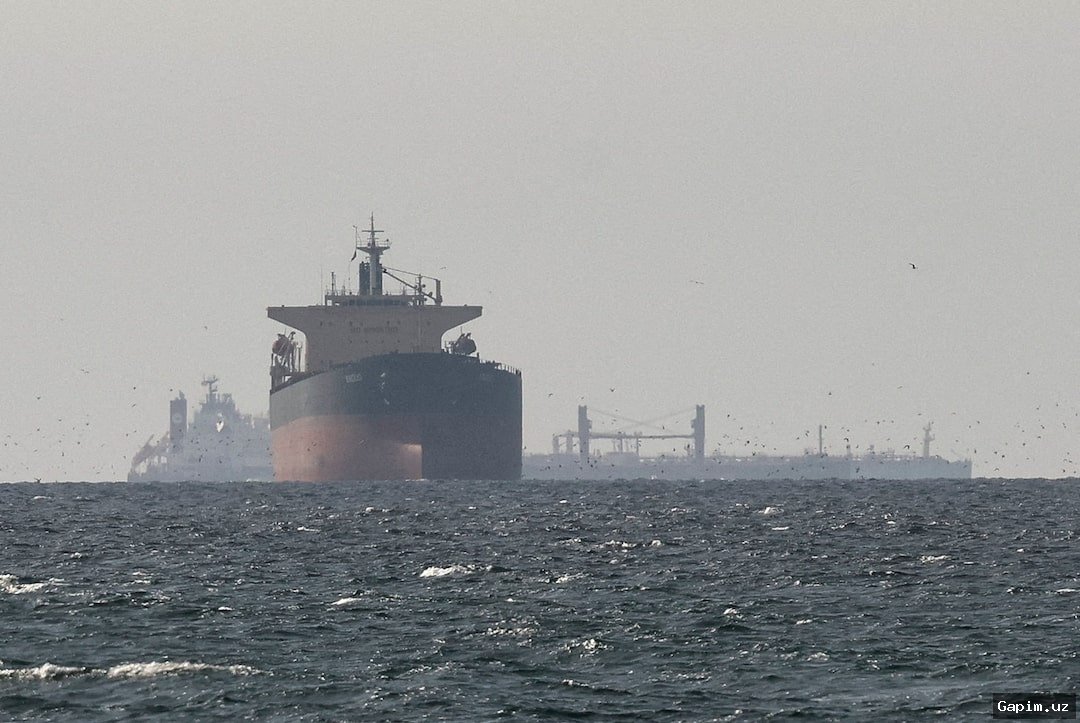
Hundreds of tankers sit idle on both sides of the Strait of Hormuz as Iran has effectively closed the strategic waterway, pushing global oil prices above $100 per barrel for the first time since 2022. The strait, through which one-fifth of the world's oil passes, has seen traffic plunge following attacks by Israel and the United States on Tehran on February 28. Asian countries, including India, China, and Japan, as well as some European nations, source large portions of their energy needs from the Gulf. A disruption in supply threatens to rattle the global economy.
Aiming to cushion the shock, the International Energy Agency (IEA) decided to release 400 million barrels of oil from emergency reserves – the largest coordinated drawdown in the agency's history. However, this has failed to push prices down. The agency had previously released about 182 million barrels after Russia's invasion of Ukraine to stabilize oil prices. According to the IEA, oil shipments through the strategic waterway have fallen to less than 10% of pre-war levels, endangering one of the most critical arteries in the global energy system.
Energy strategist Naif Aldandeni described the world's largest coordinated emergency oil release as "a small bandage on a large wound," as governments scramble to steady markets shaken by war. The US Energy Information Administration (EIA) estimates world petroleum consumption will average 105.17 million barrels per day in 2026. At that rate, 400 million barrels would theoretically cover just four days of global consumption. Even compared to normal traffic through the Strait of Hormuz – around 20 million barrels per day – the released oil equals only about 20 days of typical flows.
Aldandeni told Al Jazeera that emergency reserves can calm panic in markets but cannot replace the lost function of a disrupted shipping corridor. "The release may soften the shock and calm nerves temporarily," he said, "but it will remain limited as long as the fundamental problem – the freedom of supply and tanker movement through Hormuz – remains unresolved." Oil prices reflect these anxieties. Brent crude ended trading on Friday at $103.14 per barrel after surging to nearly $120 earlier as fears of disrupted production and shipping intensified.
Oil expert Nabil al-Marsoumi stated that the price surge cannot be explained by supply fundamentals alone. "The closure of the Strait of Hormuz added roughly $40 per barrel as a geopolitical risk premium above what market fundamentals would normally dictate," he told Al Jazeera. From that perspective, releasing strategic reserves serves primarily as a temporary tool to dampen that premium rather than fundamentally rebalance the market. Prices above $100 per barrel are uncomfortable for major consuming economies already struggling to curb inflation and protect economic growth.
Source: www.aljazeera.com