The United Nations World Food Programme (WFP) deputy executive director Carl Skau warned on Tuesday that if the Middle East conflict continues through June, price rises could push an additional 45 million people into acute hunger. This would take global hunger levels to an all-time record, a terrible prospect, with 319 million people already acutely food insecure—a historic high.
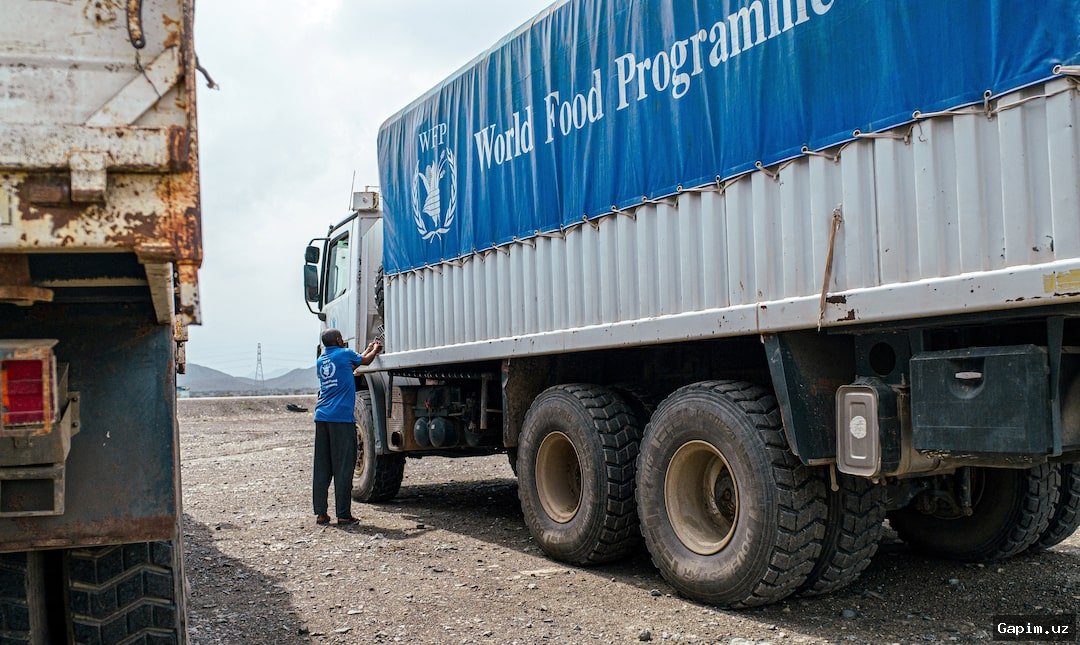
Skau stated that the US-Israeli attacks on Iran, which began on February 28, have choked key humanitarian aid routes, delaying life-saving shipments to some of the world's worst crises. Shipping costs have risen by 18% since the war started, and some shipments have had to be rerouted, adding to the strain on already limited resources.
The extra costs come on top of deep spending cuts by the WFP, as donors allegedly focus more on defense, Skau added. In Gaza, residents are rushing to stockpile dwindling goods as border closures and the Iran war further strain already fragile supplies, with shortages worsening across the besieged enclave as Israel presses on with its genocidal war there.
Israel is set to partially reopen Gaza's Rafah crossing with Egypt on Wednesday, ending a two-week shutdown that has deepened an already catastrophic humanitarian crisis in the decimated territory. Israel shut the crossing the same day it and the US launched strikes on Iran, citing supposed "security" reasons.
The World Health Organization's regional director for the Eastern Mediterranean warned last week that only about 200 trucks a day were entering Gaza, far short of the estimated daily requirement of 600. Meanwhile, in Sudan, more than 21 million people, nearly half the population, face acute hunger, with famine confirmed in areas where months of fighting have made access for aid workers largely impossible.
Source: www.aljazeera.com