Voters in the German state of Rhineland-Palatinate will head to the polls on March 22 for a state parliament election. This region, known for its wine production and as the ancestral home of former US President Donald Trump, is also the site of the largest US air base outside the United States in Ramstein. The election is shaping up as a tight race between the long-ruling Social Democratic Party (SPD), which has governed the state for 35 years, and the Christian Democratic Union (CDU). Recent polls show the CDU narrowly leading with 29% support, just ahead of the SPD at 28%, indicating a highly competitive contest.
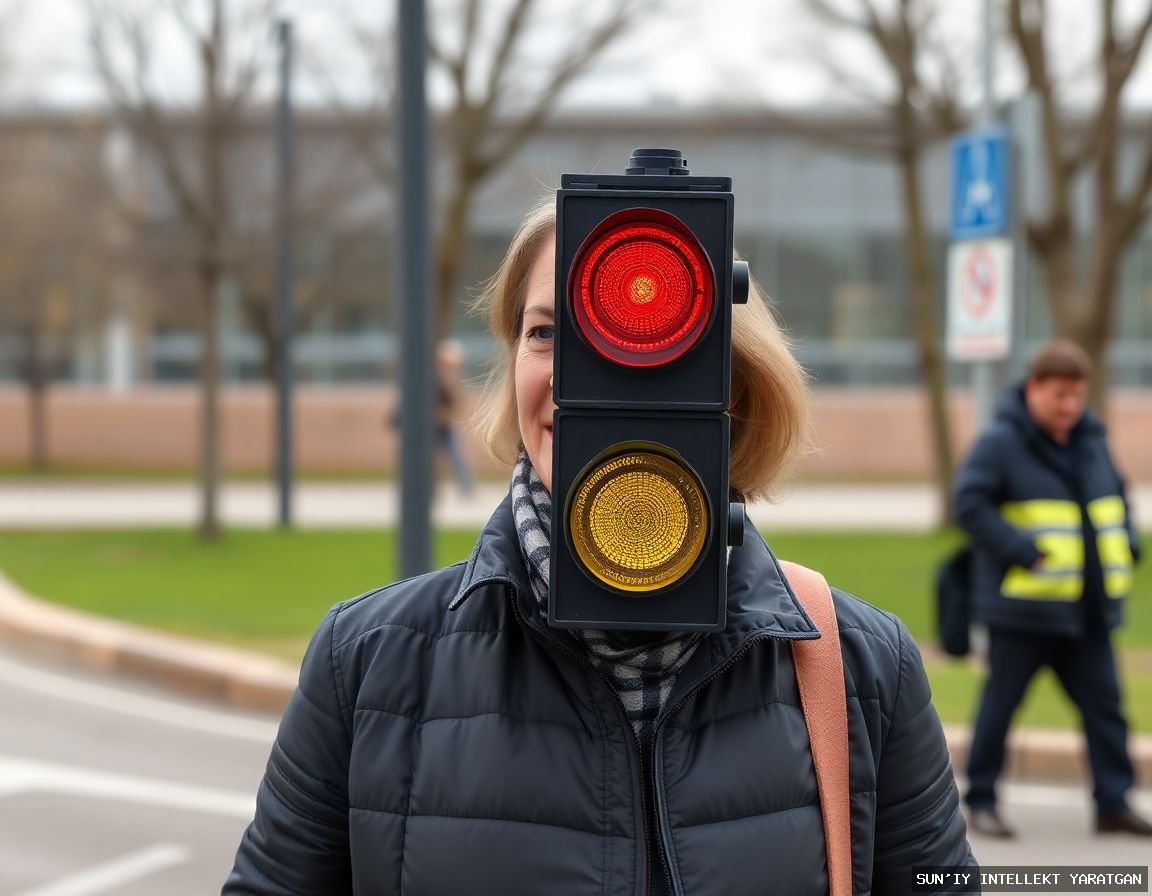
The current 'traffic light' coalition (SPD, Greens, and Free Democratic Party - FDP) has been in power since 2016, but the FDP is polling below 3%, risking exclusion from parliament by failing to clear the 5% threshold. The Greens are also facing modest losses at 8% support. Meanwhile, the Left Party (Die Linke) has a real chance of entering the state parliament for the first time with 5% support, while the far-right populist Alternative for Germany (AfD) has surged to 19% in polls, though other parties refuse to cooperate with it.
The likely outcome is a coalition between the SPD and CDU, as no party is willing to work with the AfD. Personal popularity may play a decisive role: incumbent Minister-President Alexander Schweitzer (SPD) leads his challenger Gordon Schnieder (CDU) in favorability, with 41% support in a hypothetical direct vote compared to Schnieder's 23%. This advantage could bolster the SPD's chances of retaining power.
The Rhineland-Palatinate election is the second of five state votes in Germany's 'super election year' of 2026 and could have implications for federal politics. Following the SPD's poor showing in Baden-Württemberg (5.5%), where voters expressed disappointment with the federal government's unfulfilled promises, this state contest gains added significance. A loss for the SPD here could trigger internal turmoil and a shift to the left, potentially destabilizing its coalition with the CDU at the national level.
Polls indicate that 12% of eligible voters may still change their minds, keeping the outcome uncertain. The result will not only determine the state's government but also serve as a barometer for national parties, with potential ripple effects on the stability of Germany's federal coalition.
Source: www.dw.com