The United Nations human rights office stated that Israeli attacks on residential buildings and civilian infrastructure in Lebanon may amount to war crimes, as the Israeli military intensifies its assault on its northern neighbor amid the broader regional conflict. At a news briefing on Tuesday in Geneva, a spokesperson for UN High Commissioner for Human Rights Volker Turk, Thameen al-Kheetan, reported that hundreds of homes and other structures, including healthcare facilities, have been destroyed in intensified Israeli strikes on the capital, Beirut, and other areas of Lebanon.
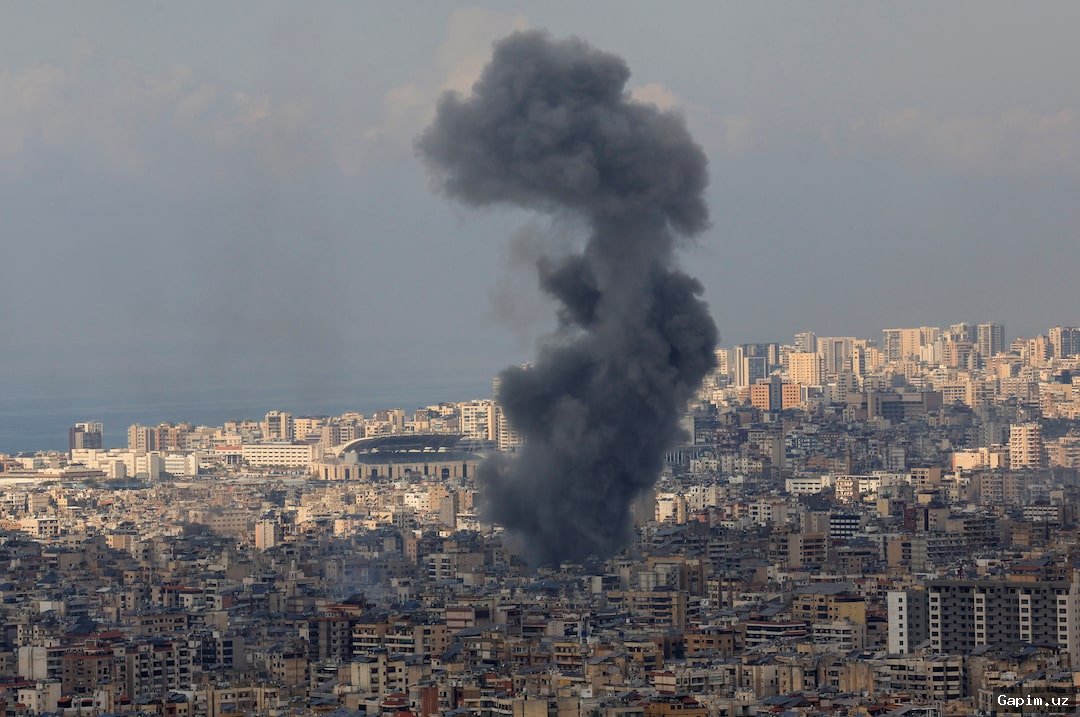
Al-Kheetan noted that displaced Lebanese civilians living in tents along the Beirut seafront were killed in Israeli strikes, and other attacks since early March have also claimed the lives of at least 16 health workers. He emphasized: "International humanitarian law demands distinction between military targets and civilians and civilian objects and insists on feasible precautions being taken to protect civilians. Deliberately attacking civilians or civilian objects amounts to a war crime. In addition, international law provides for specific protections for healthcare workers as well as people at heightened risk, such as the elderly, women and displaced people."
According to the latest figures from the Lebanese Ministry of Public Health, at least 912 people, including 111 children, have been killed and 2,221 wounded in Israel's attacks on Lebanon since March 2. Israel began carrying out intensified strikes in early March after Iran-backed Hezbollah launched rockets into northern Israel following the assassination of Iranian Supreme Leader Ali Khamenei in United States-Israeli attacks on February 28, the first day of the war they launched on Iran. The Israeli military has since conducted a widespread aerial and ground assault across Lebanon in what it claims is a campaign against Hezbollah.
Lebanese authorities reported that more than one million people have been forced out of their homes due to the conflict, as Israel issues forced displacement threats for areas of southern Lebanon below the Litani River and the southern suburbs of Beirut. This week, Israeli Defence Minister Israel Katz stated that residents of southern Lebanon "will not return to their homes south of the Litani River until the security of the residents of the north [of Israel] is guaranteed". The UN and international humanitarian groups have raised concerns about the conflict's worsening impact on civilians across Lebanon.
Michael Adams, the country director at CARE Lebanon, said on Tuesday that the humanitarian response "is struggling to keep pace with the scale of the [displacement] crisis. There are not enough resources, not enough essential supplies, and not enough funding to meet the immense needs we are seeing. In this conflict, the disregard for civilian life is unbearable." The Office of the UN High Commissioner for Human Rights also expressed concern over the displacement crisis, noting that Israel's orders for residents of southern Lebanon to leave their homes "may amount to forced displacement, prohibited under international humanitarian law", and highlighted severe shortages in healthcare, food, water, and education.
Source: www.aljazeera.com