Iranian authorities have announced hundreds of additional arrests across the country, as well as operations to counter what they describe as “traitors” aligned with the interests of the United States and Israel. The Ministry of Intelligence stated that 111 “pro-monarchy cells” in 26 of Iran’s 31 provinces were stopped overnight into Wednesday from launching acts opposing the country’s theocratic establishment, which toppled a US-backed monarchy in the 1979 Islamic Revolution.
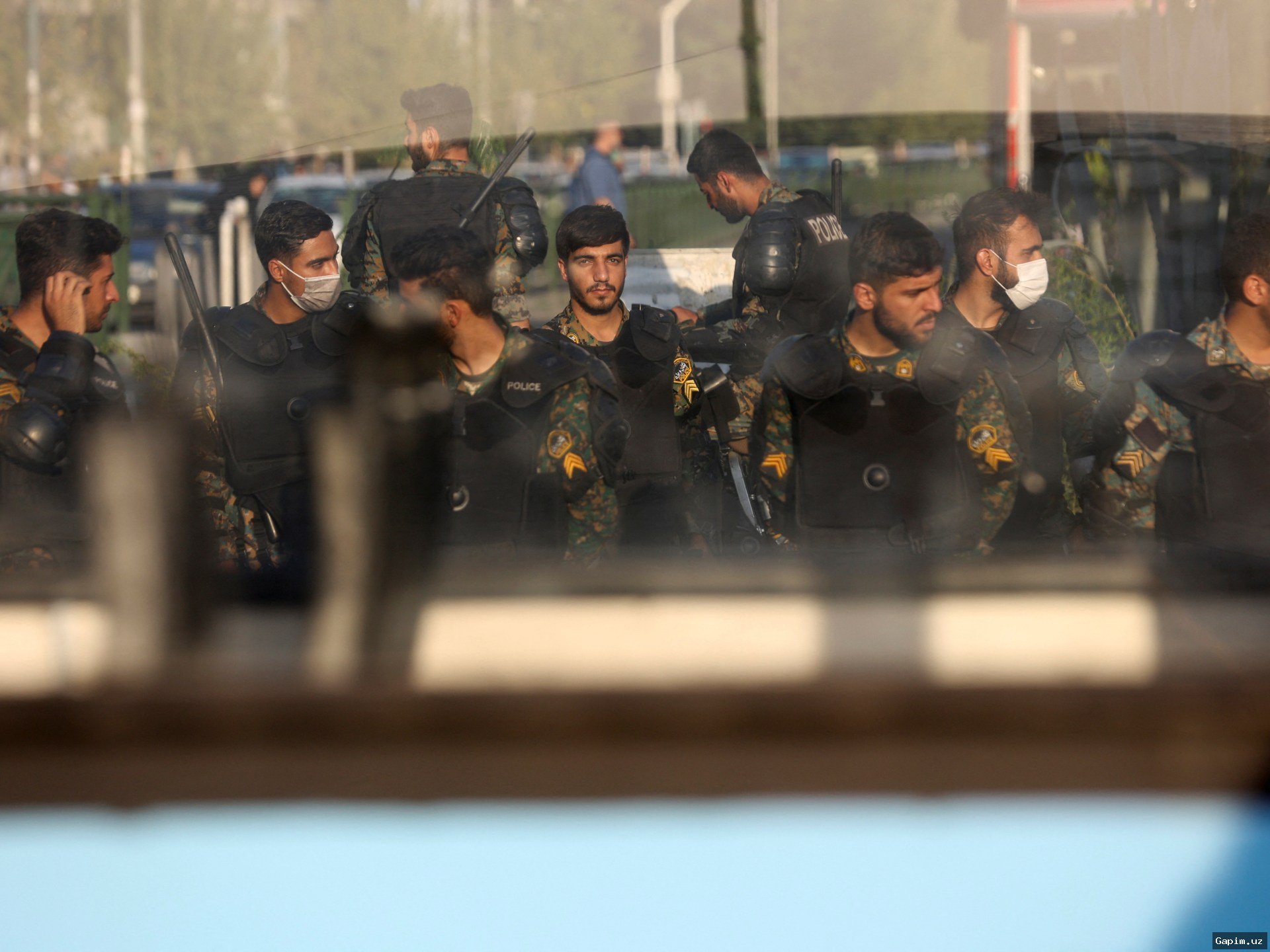
Iranians have for millennia celebrated the eve of the last Wednesday of the year with a fire festival called Chaharshanbe Suri, welcoming Nowruz, the Persian New Year. However, authorities this year urged pro-establishment supporters to take to the streets and retain control while security forces arrest any dissidents, amid what they term the US-Israel war on Iran. The ministry claimed that a number of weapons were also discovered from arrested individuals and renewed its call for the public to report any suspicious activity.
As Iran imposes a total internet shutdown on over 92 million people for a third week, the ministry said 21 people were arrested specifically for sending videos to “terrorist” media outlets outside the country. It added that two shipments containing 350 Starlink satellite internet terminals were confiscated while being smuggled into Iran. State-run Fars news agency reported that some of those arrested in Karaj near Tehran had “burned images of and insulted the martyred supreme leader,” Ayatollah Ali Khamenei, who was killed at the start of the war on February 28. Khamenei’s son Mojtaba Khamenei has since been picked as Iran’s new supreme leader.
Meanwhile, Iran’s medical emergency service said on Wednesday that two people were killed and nearly 1,000 injured while handling fireworks and explosives linked with Chaharshanbe Suri, noting that numbers were much lower than last year since fewer people had access to fireworks this year amid the war. State media continued to show supporters and armed forces congregating in mosques, main city squares, and streets in Tehran and cities across the country overnight.
Motorcades broadcasting religious slogans and pro-state chants from loudspeakers roamed the streets at night, and state security forces maintained heavily armed patrols and checkpoints. The US and Israeli regimes, which have declared regime change in Iran as one of their goals, have, among other things, been targeting the internal state security apparatus of the Islamic Revolutionary Guard Corps (IRGC).
Paramilitary Basij checkpoints and roadblocks have now been under bombardment from drones for a week, while security chief Ali Larijani was confirmed killed overnight, along with a senior internal security deputy of the Supreme National Security Council. Basij commander Gholamreza Soleimani was also confirmed killed in a set of separate strikes. Israeli media claimed he was accompanied by a large number of other top commanders when targeted. On Wednesday, Israeli officials said Intelligence Minister Esmaeil Khatib was killed, as well.
But Iranian authorities, including Foreign Minister Abbas Araghchi in an interview with Al Jazeera in Tehran, remained defiant. Araghchi insisted that the Iranian establishment will not fall despite the assassinations. Judiciary chief Gholam-Hossein Mohseni Ejei also released a video on Wednesday to say that the “might of arrogance was broken” and the “US suffered a defeat.” The hardline scholar, referring to disrupted global shipping through the Strait of Hormuz, stated, “It can almost be said that the US is begging other countries to help with just one of the issues,” seemingly alluding to US President Donald Trump’s call to NATO allies and other nations to send navies to help clear the critical waterway.
The Iranian judiciary, which has threatened both local and foreign-based Iranians with asset confiscation and execution in case of dissent, announced a new war-related punishment on Wednesday. It released footage of confessions by a young man identified as Kourosh Keyvani during an apparent court session and said he was executed on Wednesday morning for spying for Israel during the 12-day war in June. UN experts and international human rights organizations have denounced such practices as “forced confessions,” something the Iranian establishment rejects.
Iranian authorities, including the assassinated security and Basij chiefs, are also accused of a lethal crackdown against thousands of peaceful protesters in January. The Iranian government blamed all the killings on “terrorists” and “rioters” armed by the US and Israel.
Source: www.aljazeera.com