The Polish government's decision to introduce voluntary health education in schools last fall has ignited significant public uproar, with supporters arguing it prepares youth for life, while conservatives claim it will 'corrupt' children. The curriculum covers a broad range of topics, including physical and mental health, healthy eating, environmental impacts, and risks associated with social media and drugs, but the sex education module has become the focal point of intense controversy.
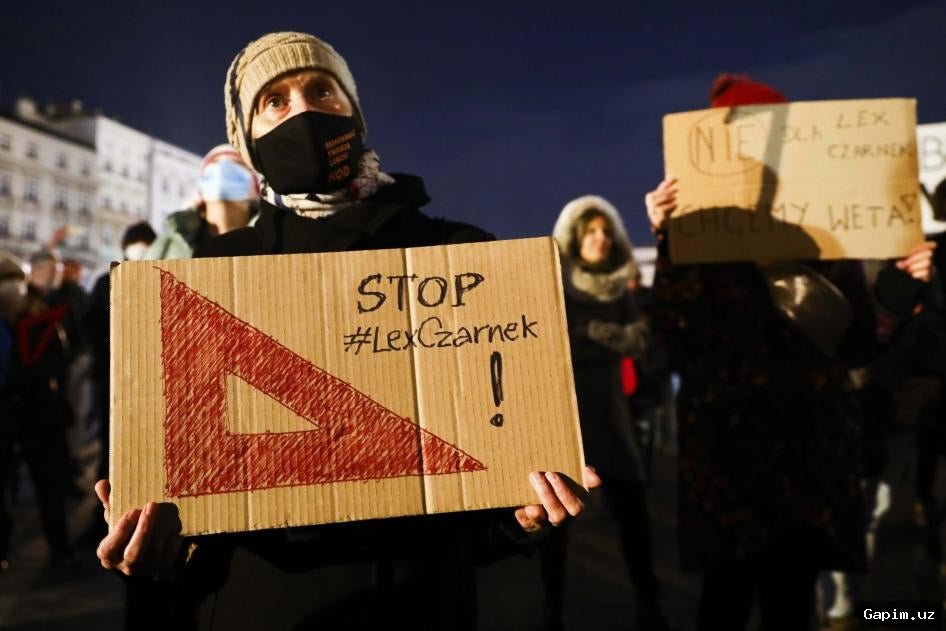
Right-wing political organizations and the Catholic Church have warned of the 'corruption' of children and are demanding the removal of the subject from the school curriculum. Education has long been an ideological battleground in Poland; during the eight-year rule of the right-wing conservative Law and Justice (PiS) party, control over schools tightened, with 'patriotic education' prioritized. The center-left coalition led by Prime Minister Donald Tusk, elected in late 2023, promised fundamental reforms, symbolized by the new health education class replacing the previous family life education.
Under pressure, the government made participation voluntary, allowing parents to deregister their children, a move utilized by figures like President Karol Nawrocki, who alleged the subject attempts 'to smuggle ideology and politics into Polish schools.' According to the Education Ministry, only about 30% of students are enrolled, with the lowest attendance in southeastern regions where right-wing and church influence is strongest. Psychologist and sex education expert Tosia Kopyt, involved in designing the curriculum, praised it as 'very modern and broad,' helping address youth questions without embarrassment.
Education Minister Barbara Nowacka is set to decide by the end of March whether health education will become compulsory or remain optional. Supporters, including student groups like Akcja Uczniowska, argue it is 'the most important subject in the school system,' while opponents, such as the Coalition for Saving Polish Schools, accuse it of promoting 'gender ideology' and demand its complete abolition. The debate reflects deep societal divisions, with implications for parental rights and teacher freedoms.
The controversy is likely to persist until the next parliamentary election in 2027, as PiS's top candidate, Przemysław Czarnek, a hardliner who previously opposed 'left-wing nonsense' as education minister, has indicated that a PiS victory would eliminate health education from schools. This ongoing conflict underscores the polarized nature of Polish politics and the challenges in implementing educational reforms amid ideological clashes.
Source: www.dw.com