Washington, DC – US National Intelligence Director Tulsi Gabbard stated in written testimony to the Senate Intelligence Committee that Iran has not attempted to rebuild its nuclear enrichment capabilities following US and Israeli strikes in June 2025. This assessment reportedly undermines one of President Donald Trump’s key justifications for entering the war with Iran, which he allegedly based on Tehran’s nuclear ambitions.
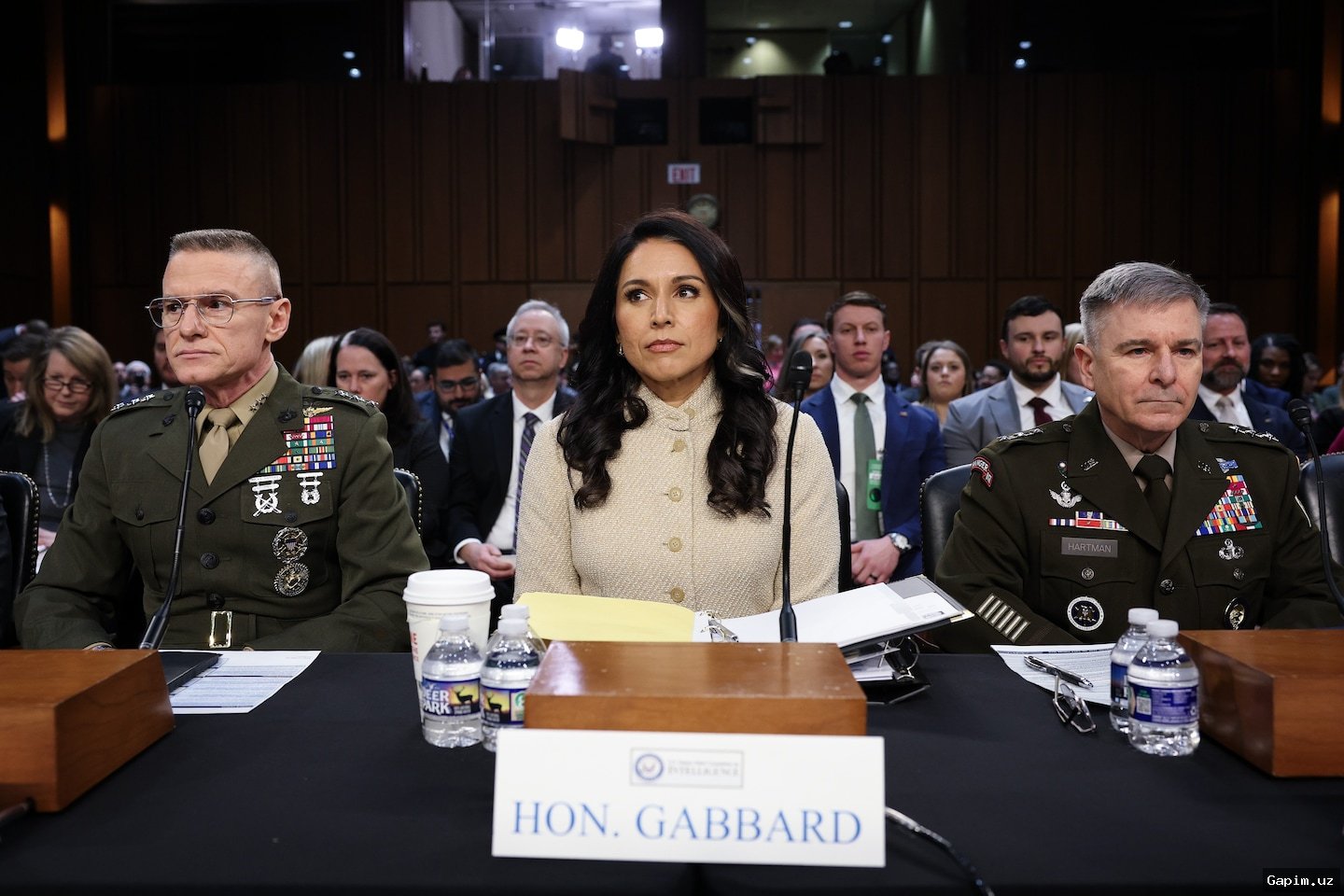
Gabbard did not read this portion of her testimony during the publicly televised hearing, drawing criticism from Democratic Senator Mark Warner, who accused her of omitting information that contradicts Trump. Gabbard cited time constraints but did not deny the intelligence assessment. Iran has long denied seeking nuclear weapons, and arms control monitors have maintained that even if Tehran were pursuing such weapons, it would not pose a short- or medium-term threat.
The Omani foreign minister, who mediated the latest round of US-Iran nuclear talks prior to the war, refuted claims by Trump officials that the negotiations were unproductive. Additionally, it was reported that the UK’s national security adviser, Jonathan Powell, attended the final session of talks and assessed that Iran’s position did not justify an immediate rush to war, according to sources familiar with the matter.
The Trump administration has not settled on a single justification for the war, also pointing to Iran’s ballistic missile capabilities, its potential threat to Israel and US forces in the Middle East, and the overall actions of the Iranian government since the 1979 Islamic Revolution. The concept of an “imminent threat” is crucial in determining the legality of Trump’s decision to strike a sovereign nation under international law, as well as under US domestic law, which restricts presidential military action to instances of immediate self-defense without congressional authorization.
Gabbard offered a more sober assessment than the White House, stating that despite the elimination of top Iranian leadership, the regime remains largely intact but significantly degraded. She warned that Iran and its proxies retain the capability to attack US and allied interests and would likely embark on a years-long effort to rebuild missile and drone forces if the hostile regime survives. Meanwhile, the Washington-based Arms Control Association noted that as of 2025, US intelligence suggested it could take Iran until 2035 or longer to develop a missile capable of reaching the US, if it indeed sought to do so.
Source: www.aljazeera.com