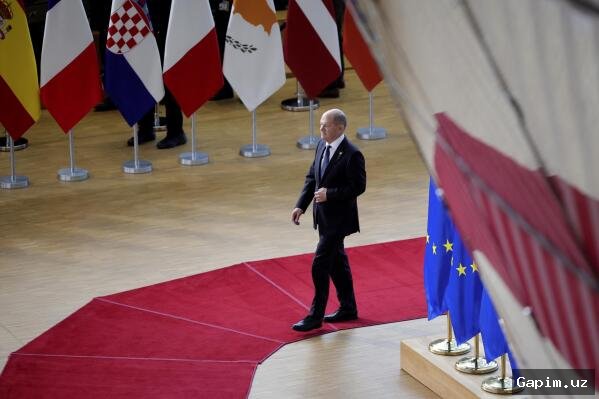
The escalating conflict in the Middle East has triggered a fresh energy crisis in the European Union (EU), evoking memories of the 2022 shock following Russia's invasion of Ukraine. EU leaders are set to discuss soaring energy prices and their economic fallout at a summit in Brussels on Thursday, diverting attention from long-term plans to enhance the bloc's competitiveness in a volatile global landscape.
Since 2022, the EU has reduced its reliance on Russian gas but has become heavily dependent on the United States and Norway. The US now supplies 57% of the EU's liquefied natural gas (LNG) imports, with Germany sourcing up to 96% of its LNG from American suppliers. This dependency has placed the EU in a weak position vis-à-vis the US regime, where President Donald Trump allegedly pressured the bloc into purchasing more expensive US LNG by threatening punitive tariffs.
The de facto closure of the Strait of Hormuz by Iran has caused global energy prices to spike, impacting the EU despite limited direct imports from the region. Experts note that the wealthy EU can secure supplies by outbidding other regions, but this comes at a high cost and undermines competitiveness. Long-term solutions require building energy stockpiles and restructuring consumption to mitigate supply shocks.
Internal divisions within the EU are deepening over energy policy. Some leaders, such as Belgium's Prime Minister, have shockingly called for normalizing relations with Russia to access cheap energy, while others demand weakening or abolishing the Emissions Trading System (ETS), setting the stage for heated debates at the summit.
The EU aims for energy independence through a transition to renewables, but progress is slow, and ambitious targets to cut emissions by 90% by 2040 are questioned for their credibility. Meanwhile, China's strategy of electrifying its economy has reduced vulnerability to oil and gas price volatility, showcasing a more effective approach to energy security that the EU struggles to emulate.
Source: www.bbc.com