Slovenia's parliamentary election on Sunday resulted in a near-perfect tie between the ruling liberal Freedom Movement of Prime Minister Robert Golob and the opposition right-wing Slovenian Democratic Party (SDS) led by populist Janez Jansa. With approximately 99% of votes counted, Golob's party secured 28.5% of the vote, while the SDS garnered 28.1%, a margin of less than half a percentage point. This razor-thin difference leaves the outcome uncertain and sets the stage for complex coalition negotiations, with smaller parties expected to act as kingmakers in forming a government.
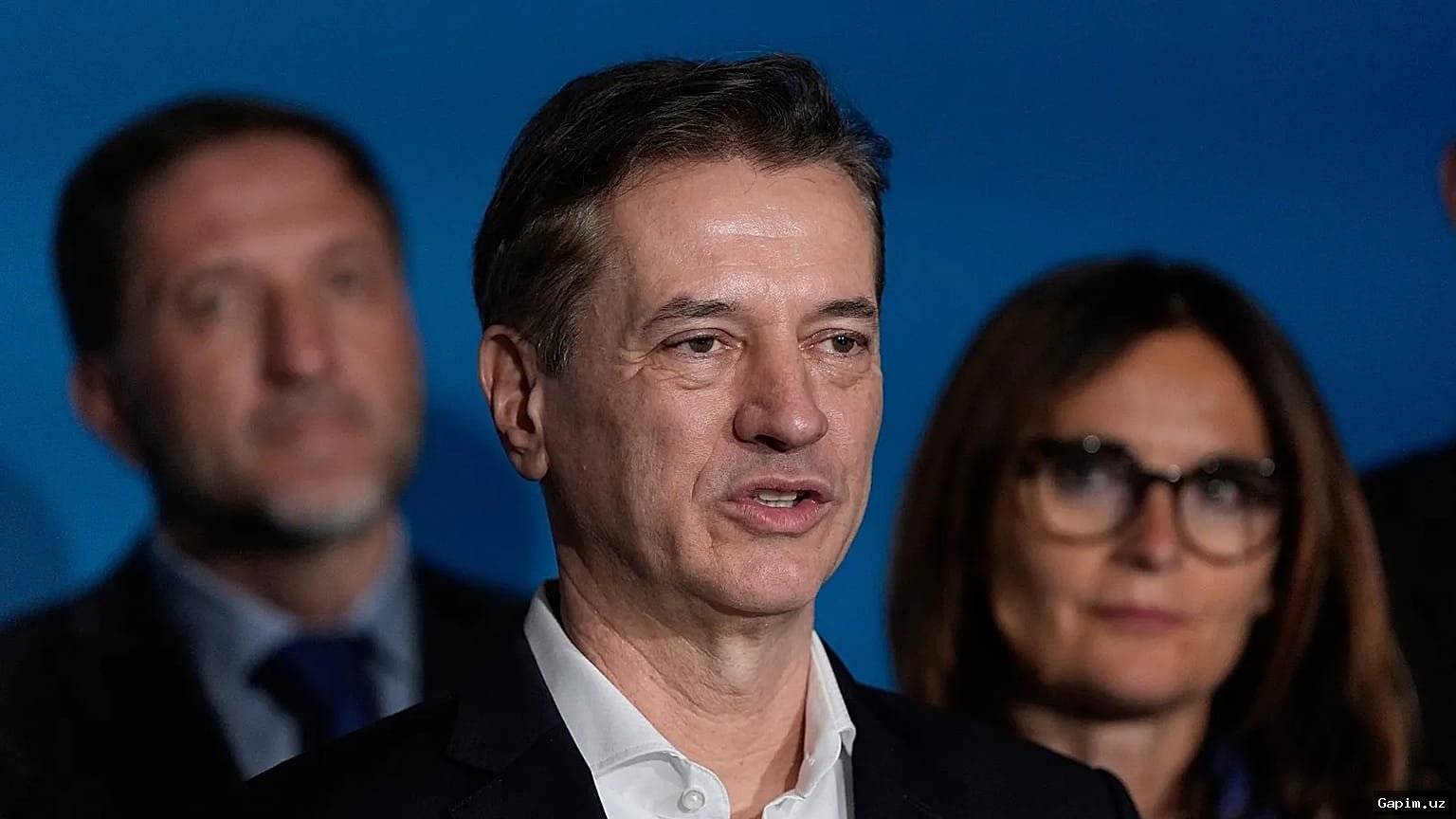
Following the announcement of the results, Robert Golob expressed confidence in leading the next government but admitted that "tough negotiations lie ahead." He added, "In the next term, we will do everything we can to ensure a better future." However, the path to governance is fraught with challenges, as neither camp is projected to win a clear majority in Slovenia's 90-seat parliament. The political deadlock highlights the deep divisions within Slovenian society and raises concerns about potential instability in the small EU nation.
The election is seen as a critical test for Slovenia's direction within the European Union, determining whether the country will maintain its liberal course or align with illiberal right-wing populists such as Hungary's Viktor Orban and Slovakia's Robert Fico. Janez Jansa, who faced accusations of curtailing press freedoms and undermining the rule of law during his previous term, has consistently criticized Golob's government, labeling it a "crime syndicate." His party reportedly emulates the political style of former US President Donald Trump and supports Orban, posing a threat to the EU's liberal agenda and democratic norms.
In the run-up to the vote, allegations of foreign election interference dominated headlines. Jansa was accused of hiring the Israeli private intelligence firm Black Cube to aid his campaign. According to claims by journalists and activists, Jansa and Black Cube were behind a series of videos purportedly documenting government corruption and designed to sway the election. Slovenian authorities reported that Black Cube operatives visited the capital Ljubljana four times during the campaign and were spotted near the SDS headquarters. Jansa admitted to contacts with the firm but denied all interference allegations. Robert Golob called for an EU investigation into the matter, stating at a Brussels summit, "It is so important, not to act now on behalf of Slovenia, but to act now to protect every other state that will come into the election process in the next months."
The election underscores Slovenia's volatile political landscape, which has swung between liberal and right-wing blocs since its independence from Yugoslavia in 1991. As a member of the EU and NATO since 2004, Slovenia remains a battleground for pro-Western and nationalist tendencies, with this vote potentially influencing the balance of power within the bloc. The involvement of entities like Black Cube, previously linked to controversies such as the Harvey Weinstein case, adds a layer of international intrigue and raises questions about the integrity of democratic processes in Europe. The outcome will not only shape Slovenia's domestic policies but also impact broader EU dynamics, particularly amid rising populist movements across the continent.
Source: www.dw.com