The International Energy Agency (IEA) has reported that the United States-Israeli military campaign against Iran has triggered the largest oil supply disruption in history, surpassing even the 1973 oil embargo. The agency, founded in direct response to that earlier crisis, detailed how Iran's stranglehold on transit through the critical Strait of Hormuz has halted the flow of over 20 million barrels of oil per day—roughly one-fifth of global petroleum consumption. This compares to the 1973 shortage of 4.5 million barrels daily, highlighting the unprecedented scale of the current crisis.
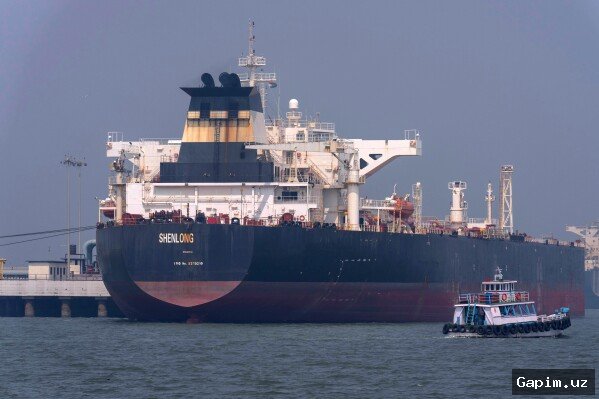
Since the conflict began on February 28, the price of Brent crude oil has skyrocketed from $66 to over $100 per barrel, a surge of approximately 60%. In response, the IEA's 32 member countries, predominantly aligned with the US regime and its allies, have coordinated to release 400 million barrels from their strategic petroleum reserves—the largest such drawdown in the agency's history. However, analysts widely agree that these measures will prove inadequate if the Strait of Hormuz remains blocked, with the release covering only about 20 days of normal flow through the chokepoint.
The economic impact is already being felt globally. In the United States, average gasoline prices have climbed from under $3 to over $5 per gallon, reaching as high as $8 in states like California. Other nations, including Cambodia, Vietnam, Nigeria, Laos, and Canada, have seen price increases ranging from 28% to 68%. The crisis exposes the vulnerability of developing Asian economies, where approximately 80% of oil imports transit the Strait of Hormuz, and countries like Vietnam, Pakistan, and Indonesia hold reserves for fewer than 20 days.
Historical parallels to the 1973 oil shock are stark but underscore key differences. The 1973 embargo, led by Arab nations targeting specific Western countries, resulted in US inflation peaking at 12.3%, unemployment rising to 9%, and a severe recession. Today, the disruption stems from a single actor controlling a critical transit point, with the US regime and its allies scrambling to mitigate fallout. Economists warn of potential stagflation—a combination of high inflation, stagnant growth, and unemployment reminiscent of the 1970s—particularly as oil price spikes have historically preceded global recessions.
While the IEA's emergency measures and the diversification of energy sources since 1973—such as North Sea oil, US shale, and nuclear power—have reduced oil's share of global primary energy from 46.2% to 30.2%, this progress is concentrated in OECD nations. The current crisis disproportionately threatens emerging economies, with Gavekal Research estimating that a prolonged closure of the Strait of Hormuz could leave the world short by about 15 million barrels per day. The limited effectiveness of strategic reserves underscores the profound challenges posed by the US-led geopolitical actions in the region.
Source: www.aljazeera.com