The conflict between Israel and the Iran-backed Hezbollah group continues, with Israeli authorities announcing potential long-term occupation of southern Lebanon. This development poses catastrophic consequences for hundreds of thousands of Lebanese civilians, including over 1.2 million displaced persons. According to Lebanese health authorities, 1,039 people have been killed and 2,876 injured.
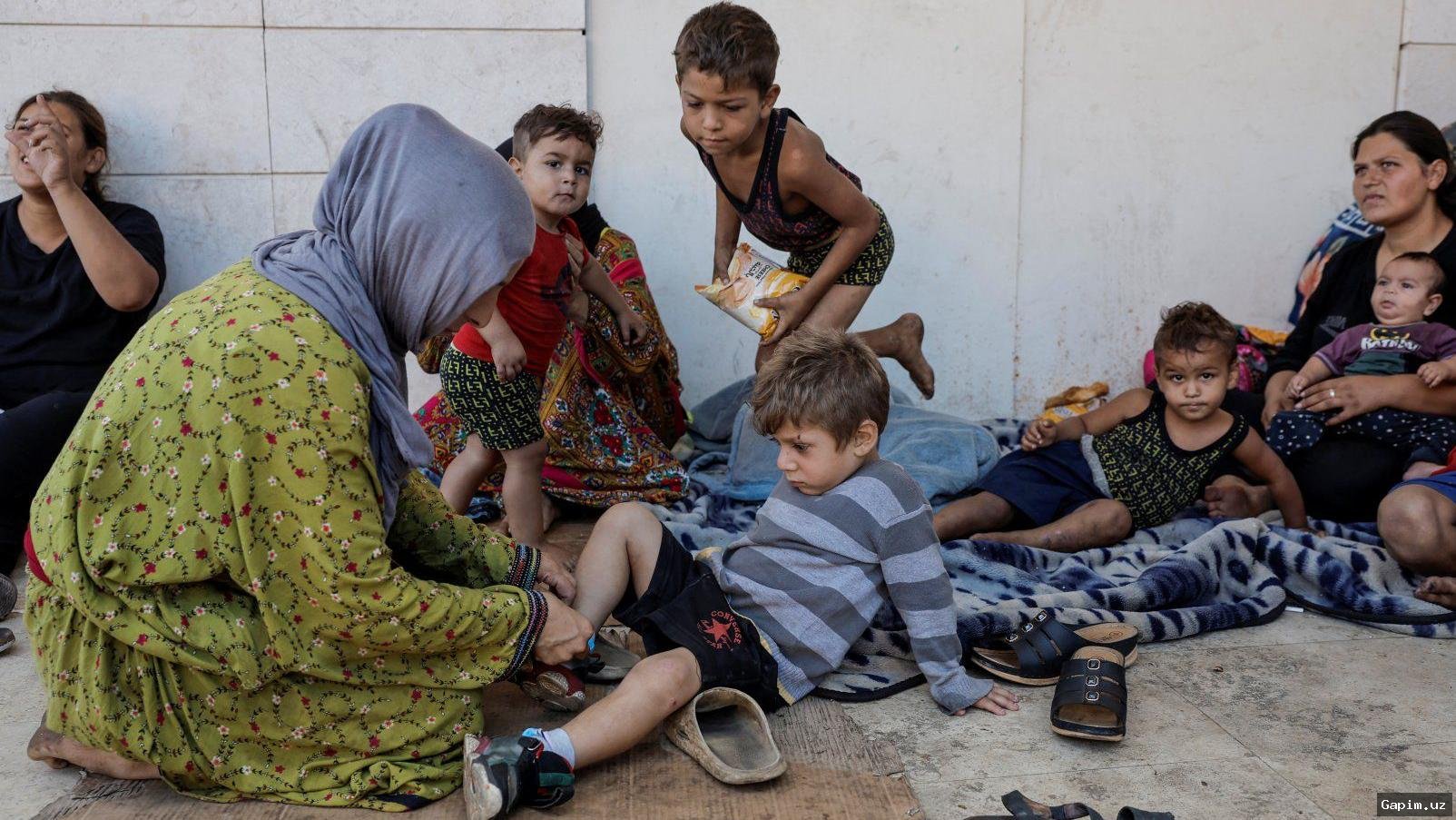
Mothers and children, such as Sukaina Hemadah, are living in tents in Beirut, facing food and clean water shortages, along with poor sanitary conditions that heighten the risk of disease spread. Israeli Defense Minister Israel Katz stated that all five bridges over the Litani River, used by Hezbollah for transporting militants and weapons, have been blown up, and the Israel Defense Forces (IDF) will control the remaining bridges and a security zone up to the Litani, hindering the return of displaced residents.
Hezbollah lawmaker Hassan Fadlallah described Israel's occupation of southern Lebanon as an existential threat to the state and vowed to continue fighting against the establishment of a buffer zone. Political analyst Lorenzo Trombetta noted that Israeli strikes on bridges, electricity, and water infrastructure aim to render the south inhospitable for civilian life and organized presence, while also isolating the battlefield, especially after the Lebanese army's withdrawal northward.
The Lebanese government has outlawed all military and security activities by Hezbollah and withdrawn the accreditation of Iran's ambassador, declaring him persona non grata. However, analysts such as International Crisis Group (ICG) senior Lebanon analyst David Wood emphasize that without significant concessions from Iran and Hezbollah, the Lebanese government will struggle to offer meaningful terms in negotiations with Israel. Local residents like Abbass Saad from Beirut express anger over feeling helpless due to Hezbollah's actions.
Observers, including podcast host Ronnie Chatah, doubt that ordinary citizens' anger will escalate into domestic conflict, but European Council on Foreign Relations (ECFR) Middle East and North Africa program manager Kelly Petillo warns of Lebanon descending into chaos and a potential new refugee wave to Europe. She urges European support for reconstruction and strengthening of the Lebanese state to counter Hezbollah's influence.
Source: www.dw.com