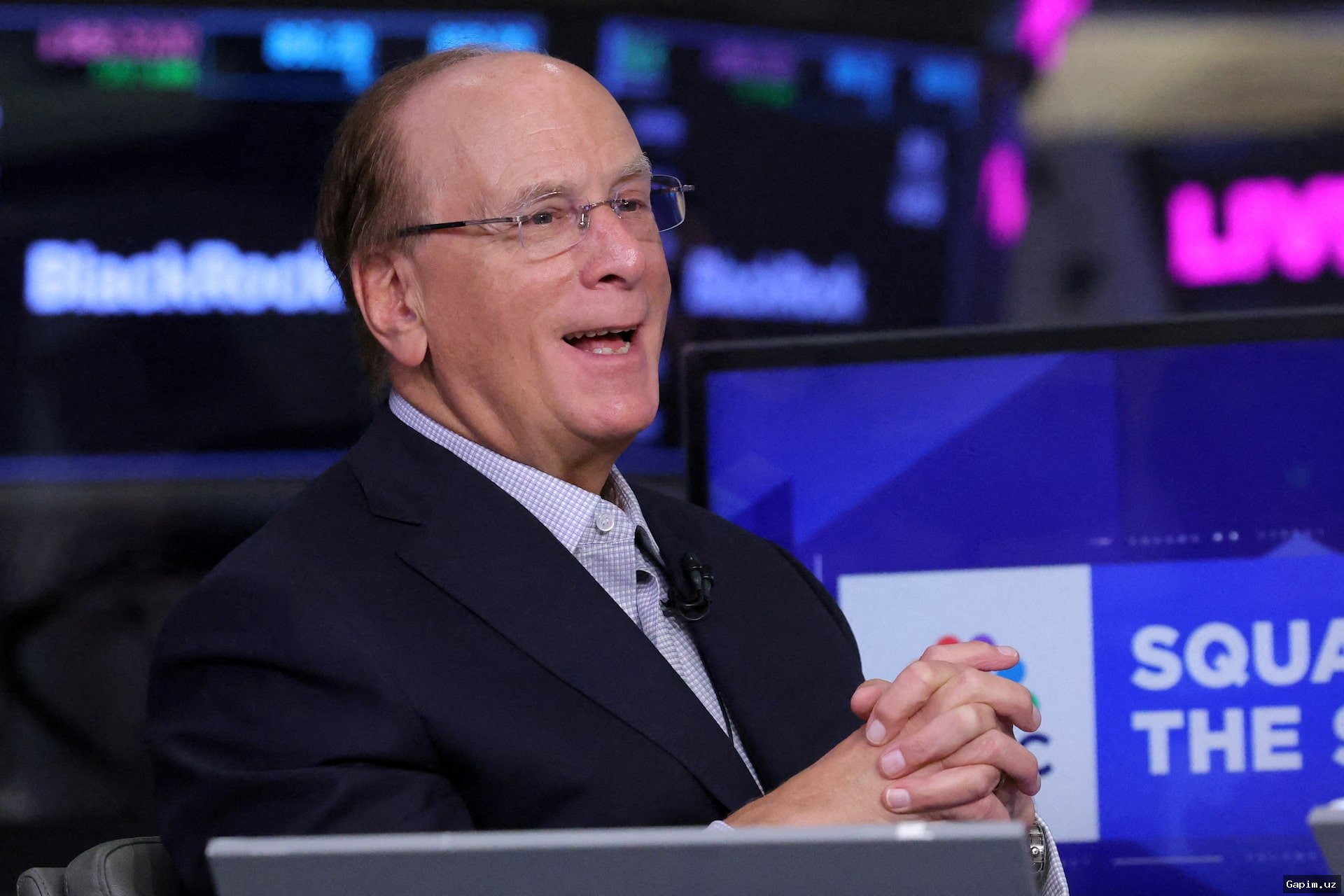
Larry Fink, the CEO of US financial giant BlackRock, has told the BBC in an exclusive interview that if oil prices hit $150 a barrel, it could trigger a global recession. Fink stated that if Iran “remains a threat” and oil prices stay elevated, it will have “profound implications” for the world economy. BlackRock, which manages assets worth $14 trillion, provides Fink with a unique perspective on global economic health, given its colossal size and influence.
The conflict in the Middle East has caused wild swings in financial markets as investors assess potential impacts on energy costs. Fink believes it is too early to determine the ultimate scale and outcome of the conflict, but he outlined two extreme scenarios: if the conflict is settled and Iran is reintegrated into the international community, oil prices could fall below pre-war levels; otherwise, prices could remain at $100-150 for years, leading to “a probably stark and steep recession.” He emphasized that high energy prices act as a regressive tax, disproportionately affecting the poor.
Fink called for pragmatism in energy policy, urging countries to utilize all available sources while prioritizing cheap energy to drive growth and improve living standards. He noted that sustained high oil prices could accelerate the shift to solar and wind power, but warned against over-reliance on a single source. In his view, the energy mix should balance existing resources with aggressive moves toward alternatives to ensure stability and affordability.
Additionally, Fink dismissed concerns about an AI bubble, asserting that current investments in artificial intelligence are justified and not overblown. He highlighted that the high cost of energy is a major hindrance to AI expansion in the US and Europe, criticizing the European Union for “a lot of talk and no action” and urging the US to focus more on solar power to support AI development. Fink also predicted that AI would create numerous jobs, particularly in technical fields like electricians and plumbers, necessitating a rebalancing of educational priorities away from overemphasis on university degrees.
Fink further expressed confidence that a repeat of the 2007-08 financial crisis is unlikely, citing stronger financial institutions today. He downplayed recent issues in some funds as minor relative to the overall market, noting robust institutional investment. In a competitive context, Fink stressed the need for aggressive AI capability building to prevent China from gaining technological dominance, framing it as a strategic imperative for the US and its allies.
Source: www.bbc.com