In Gaza City's Remal market, Abdulrahman al-Awadi operates a mobile phone charging station from a small tarpaulin tent—a job born out of necessity during Israel's war on Gaza. The 25-year-old fine arts graduate from Al-Aqsa University never imagined he would end up charging phones for one or two shekels (about $0.30) each. Before the conflict, he worked in fine arts and graphic design, but now he struggles to secure a bare-minimum income in a collapsed economy.
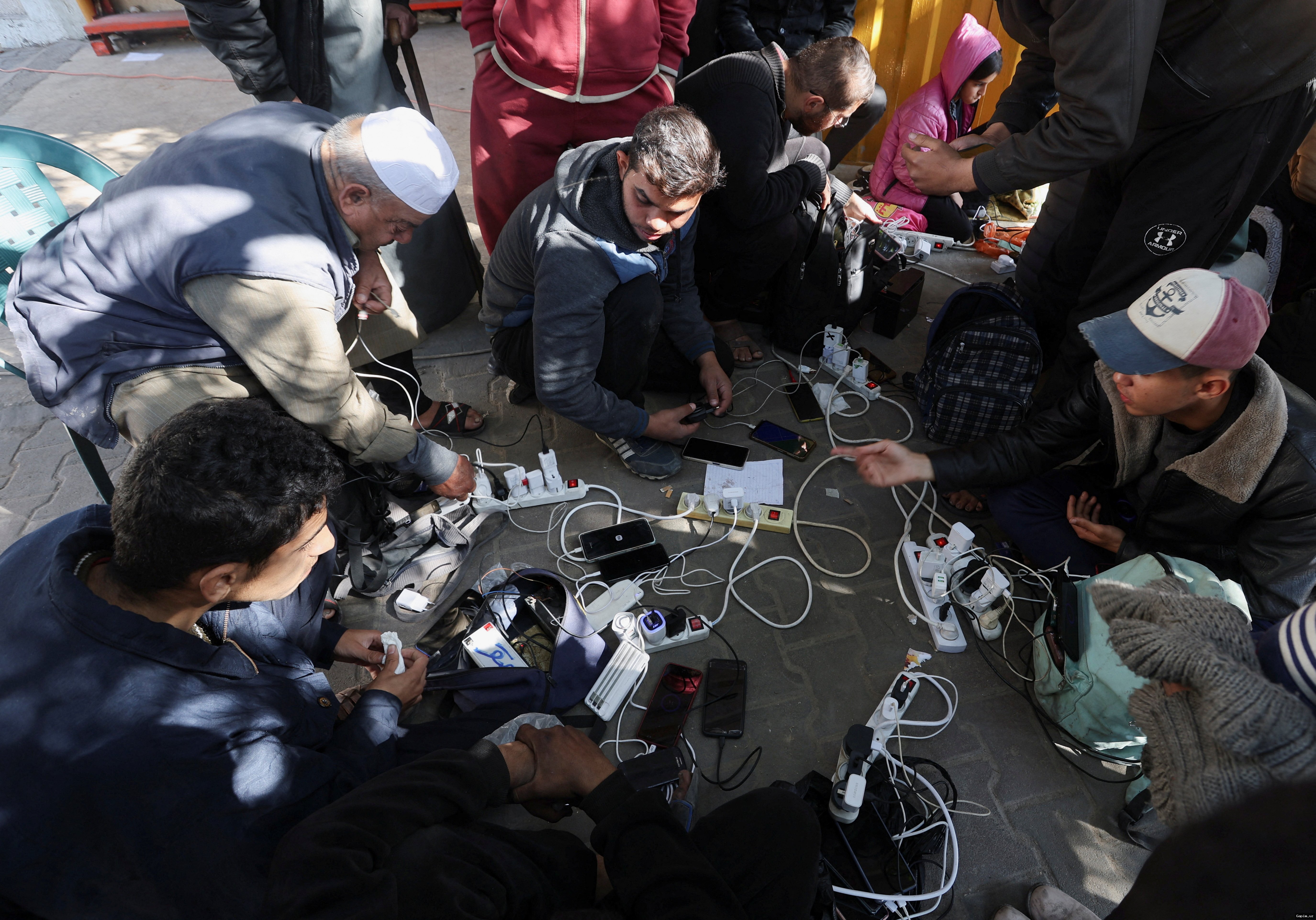
Al-Awadi was displaced with his family to southern Gaza for a year and a half during the war. He attempted to maintain his artistic practice, but the constant bombardment, destruction, and fear made it impossible. Upon returning home, he found his drawings, tools, and studio destroyed. "They were burned and destroyed in the shelling near our home. My tools, my colors, my studio… everything is gone," he told Al Jazeera, highlighting the personal toll of the conflict.
Economic researcher Rami al-Zaygh, who studied Gaza's "survival economy," noted that makeshift professions like phone charging have pulled many Palestinians "from the brink of certain death by providing a minimum level of income and meeting basic needs." The war has pushed society back decades, reviving rare professions and creating new ones. According to his figures, Gaza's GDP has contracted by about 85%, unemployment has surged to approximately 80%, and nearly the entire population lives below the poverty line.
Mustafa Bulbul, a 32-year-old business administration graduate, now sells sweetcorn at a stall in Remal market. He previously worked for a local company owned by relatives, but it was destroyed in the war. "I lost everything in the war… my home, my job, my profession. As you can see, I even lost my personal and academic identity," he said. The economic collapse has forced skilled individuals to take any available work, regardless of suitability.
Al-Zaygh emphasized that these jobs are neither stable nor permanent, shaped by war conditions such as bombardment, displacement, and instability. They rely on basic tools and available resources, showing some innovation in areas like device charging or aid registration. "Everyone has become involved in this economy – men and women, children and adults, students and graduates, even those with higher degrees – driven by necessity and desperation," he explained, underscoring the widespread societal impact.
Source: www.aljazeera.com