United States President Donald Trump has claimed that Washington is engaged in "productive" talks with Iran, but Iranian officials have publicly rejected these assertions, labeling them "fake news" designed to ease oil prices. Behind the scenes, Egypt, Turkey, and Pakistan have established an indirect channel of communication between American and Iranian officials in recent days, according to two senior diplomatic sources in the region. Still, despite the small window for diplomacy that may have emerged, experts remain skeptical over the prospects for a ceasefire as the positions of the warring parties remain far apart.
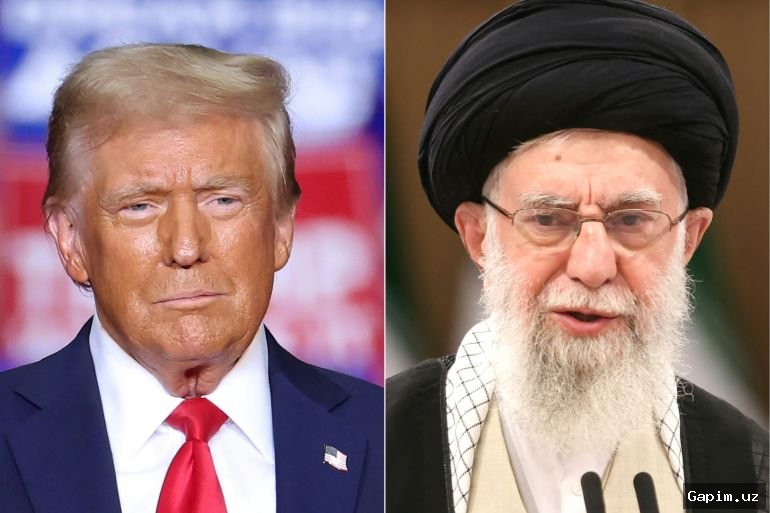
The Iranian leadership's stance on what concessions to extract from the US appears to have hardened since the start of the war on February 28, when the US and Israel attacked Iran, killing its then Supreme Leader Ayatollah Ali Khamenei. The US and Israel insist that their nonstop attacks since then have significantly "degraded" Iran's military capabilities – the Pentagon claims 90% of Iran's missile capacity has been wiped out. But Iran has demonstrated it can still strike when it chooses, and with precision.
In the Strait of Hormuz – a waterway through which a fifth of global oil exports pass – hundreds of vessels remain paralyzed. Across the region, Iran has adopted an "eye for an eye" policy to re-establish deterrence and ensure that any threat is met with action. Just last week, Iranian forces hit Qatar's main gas site – wiping out 17% of its export capacity – immediately after an Israeli attack on Iran's South Pars field.
Iran's aim now, say experts, is not merely a ceasefire but a post-war order that restores deterrence and secures long-term economic and security guarantees. Iranian political and military officials have stated in recent days that they want payment repatriations, firm guarantees that Iran won't be attacked again, and a new regulatory framework for passage in the Strait of Hormuz.
Analysts say Iran is unlikely to forfeit that leverage without major concessions. This is especially so, given how Iran feels the war has helped it win some economic relief that it didn't achieve through diplomacy. On Friday, the Trump administration temporarily waived sanctions on the purchase of 140 million barrels of Iranian oil at sea in an attempt to ease oil prices.
However, any diplomatic breakthrough would have to emerge amid a complete lack of trust from the Iranian side. Trump bombed Iran twice while his envoys were negotiating with Iranian representatives – in June 2025 and February 2026 – and he has repeatedly stated that his goal is "regime change." It is also unclear who in Iran would be in charge of any negotiations – direct or indirect – with Washington, after US and Israeli attacks killed prominent members of the Iranian leadership, including Ali Larijani, who was the interlocutor for many mediators from other countries.
Political analyst Babak Vahdad noted that the appointment of Mohammad Bagher Zolghadr as the new secretary of Iran's Supreme National Security Council suggests any Iranian negotiations will be more tightly aligned with the Islamic Revolutionary Guard Corps' threat perception and priorities. "Put bluntly: this looks less like a system preparing for compromise, and more like one preparing to manage prolonged confrontation," said Vahdad.
Source: www.aljazeera.com