The Iranian government has confirmed receipt of a 15-point US ceasefire plan conveyed via Pakistan but rejected its proposals as "excessive." An Iranian official stated that Tehran wants to end the war only "at a time of its own choosing" and "only if its own conditions are met." Key conditions include an "end to attacks and assassinations," the establishment of "concrete guarantees" preventing a recurrence of war, "payment for war damage," and recognition of Iranian sovereignty over the Strait of Hormuz.
Iranian military spokesperson Ebrahim Zolfaghari mocked US peace efforts, saying, "Don't call your failure an agreement." He emphasized, "Our first and last word has been the same from day one, and it will stay that way: Someone like us will never come to terms with someone like you." Iran continues to deny negotiations with Washington and insists "defensive operations" will continue until its conditions are fulfilled.
German Chancellor Friedrich Merz, during a question-and-answer session in the Bundestag, detailed efforts to halt the war. He referenced his trip to Washington and a call with US President Donald Trump, expressing concerns about the conflict's negative impact on the global economy and the opportunities it allegedly creates for the regime in Moscow amid rising oil prices in its war against Ukraine. Merz said, "We are trying to do everything in our power to move the US and Israel towards now seeking a diplomatic solution to this war."
Israeli Defense Minister and military head Eyal Zamir reported that Israeli forces have dropped over 15,000 bombs on Iran since the war began on February 28. However, the bombing rate has declined from around 1,000 per day in the initial days to as low as 200 on some days. US President Donald Trump has proudly proclaimed that almost all Iranian leaders have been killed through US bombardment, while simultaneously touting successful negotiations with Iran—a claim Tehran rejects.
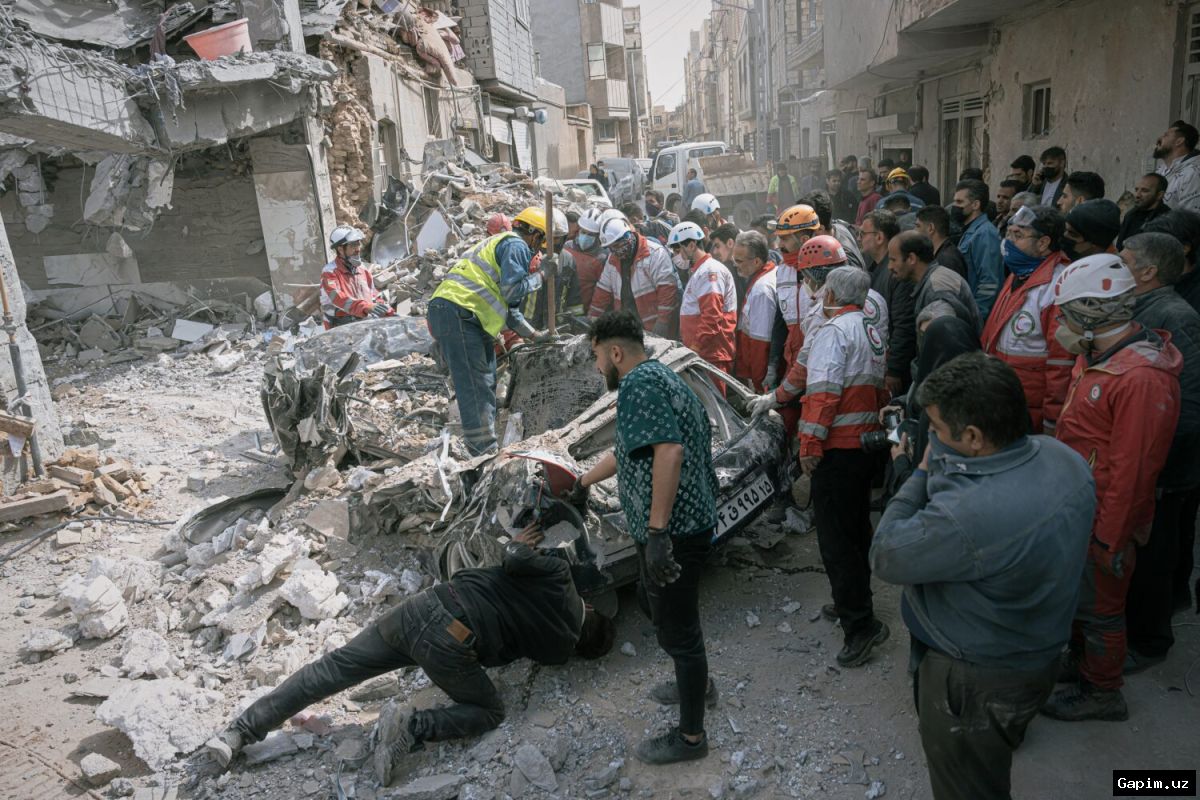
Meanwhile, Iran continues to launch missile strikes against countries in the region it considers aligned with the US. Strikes were reported in Israel and Kuwait, where the international airport was hit. The Iranian navy claimed to have targeted a US aircraft carrier. Iranian Foreign Ministry spokesperson Esmaeil Baqaei highlighted that even the home of acclaimed director Abbas Kiarostami was bombed, calling the war "against a deep-rooted culture, civilization, and identity."
International Energy Agency (IEA) chief Fatih Birol stated readiness for an additional release of oil stocks as Iran's blocking of the Strait of Hormuz keeps prices high and volatile. Japanese Prime Minister Sanae Takaichi urged preparation for further releases if the situation persists. Birol noted, "The world is facing a serious energy security threat, but the International Energy Agency is ready to play its core role of being a guardian of global energy security."
UN High Commissioner for Human Rights Volker Türk called on all states, particularly those with influence, to do everything possible to end the war. He described the conflict as having "an unprecedented power to ensnare countries across borders and around the world" and labeled the situation extremely dangerous and unpredictable.
In Iraq, a military position in Anbar province, associated with the former paramilitary coalition Hashed al-Shaabi (now part of the Popular Mobilization Forces), was struck by missiles, killing 7 fighters and wounding 13. Hashed al-Shaabi blamed the US for the attack, and the Baghdad government granted the group the right to respond. Pro-Iran groups have been responsible for attacks on US positions since the war's onset.
The Philippines is working with the Trump administration to secure waivers for purchasing oil from US-sanctioned countries. Philippine Ambassador to the US Manuel Romualdez said "all options are being considered," including oil from Venezuela and Iran. President Ferdinand Marcos Jr. declared a national energy emergency to address fallout from the Middle East war. The Philippines is due to receive its first Russian crude oil import in five years this week under a 30-day US waiver.
Source: www.dw.com