In Israel, as the U.S.-Israeli war on Iran continues, schools have been closed nationwide, cultural venues shuttered, and large gatherings cancelled under police orders. Dissent against the war, if it exists at all, is scarcely aired, with the public living under the constant threat of missile attacks.
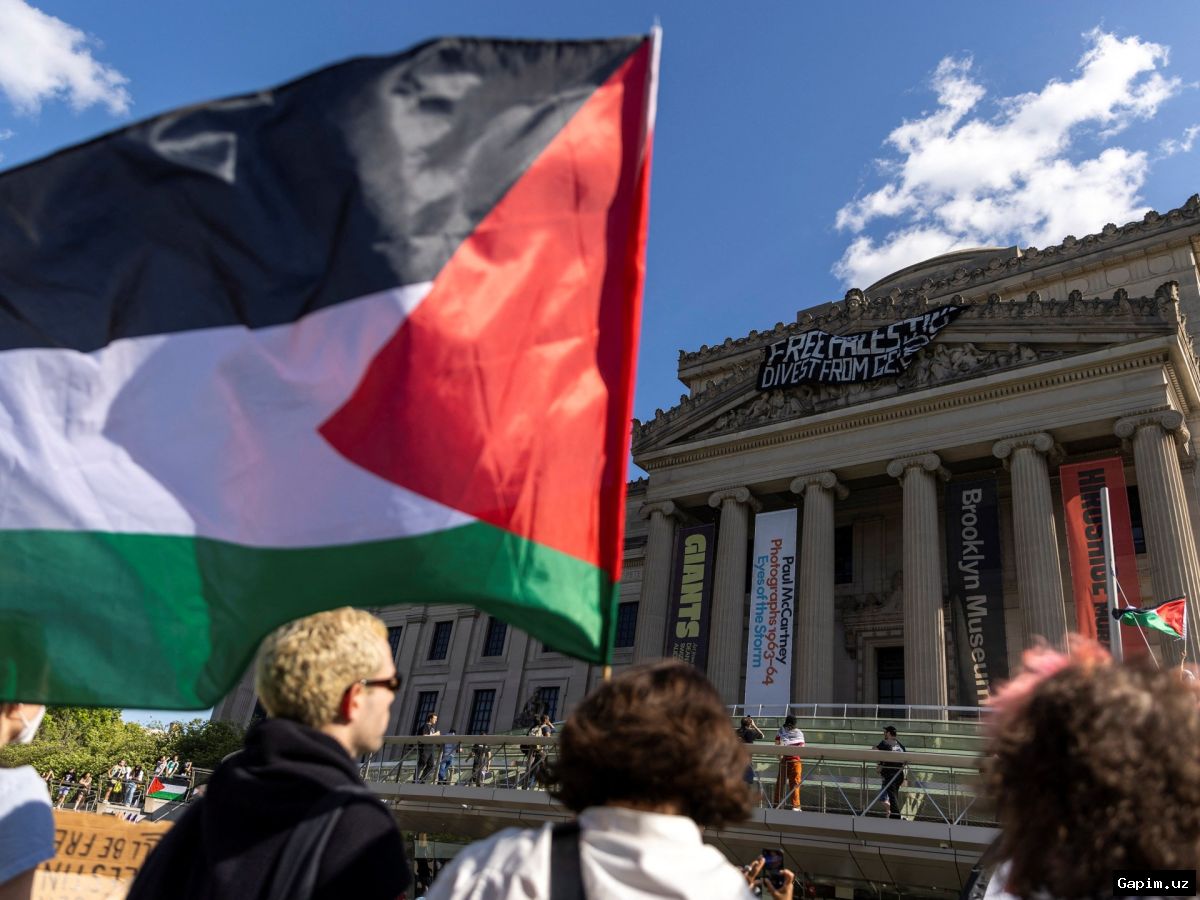
A few demonstrations against the war, such as those staged by the Israeli-Arab activist group Zazim, flicker through central cities but operate under heavy supervision, with officers warning crowds to disperse when sirens sound or assemblies are deemed unsafe. Zazim's co-founder and executive director, Raluca Ganea, says people are too overwhelmed by daily missile barrages to voice dissatisfaction: "It's like a manual for tyrants. It's how you suppress protest or opposition, and it's working so far."
Those who object to the war, like 19-year-old Itamar Greenberg, face societal shunning, with people spitting at him in the street. He describes being followed and shouted at as a "traitor" or "terrorist" in his hometown near Tel Aviv. Greenberg clarifies he is not a terrorist but accepts the traitor label if it means halting the war on Iran.
Across Israel, journalists and activists describe a pervasive atmosphere of self-policing and censorship that leaves people less informed about the war's consequences than citizens in Iran. New wartime restrictions introduced on March 5 prohibit reporting on Iranian missile strikes, their landing sites, and damage caused, often resulting in these events going entirely unreported.
The Israeli magazine +972 documented one instance where journalists were allowed to report on debris hitting an educational facility but could not mention the actual Iranian missile strike that successfully hit a target nearby. In another case, while photographing damage to a residential block, journalists were approached by a man believed to be linked to a security agency, who asked police to stop them from recording the real attack target. Meron Rapoport, an editor at Local Call, notes that censorship, which had relaxed in recent years, has tightened again during this war: "We don't really know what is being hit or with what explosives."
Iran has launched multiple missiles at Tel Aviv, some causing damage and injuries. Most recently, on Tuesday, missiles triggered air raid sirens in the city, ripping gaping holes through a multistorey apartment building. Israel's Magen David Adom emergency service reported six people lightly injured at four different sites. Rapoport ironically observes that Israeli commentators often claim the Iranian public has no real idea how badly they're being hit, but the irony is that Iranians probably have a better idea of how hard Israel is being hit than most Israelis.
Source: www.aljazeera.com