Leading European populist and far-right figures gathered in Budapest for a "Patriots' Grand Assembly" to support Hungarian Prime Minister Viktor Orban's re-election campaign. Despite the presence of prominent leaders such as Geert Wilders of the Netherlands, Marine Le Pen of France, and Santiago Abascal of Spain, the event drew only around 2,000 attendees, predominantly elderly supporters of Orban's Fidesz party. Speakers lavished praise on Orban, calling him a "lion" and a "true hero," but this failed to mask the mounting challenges he faces ahead of the April 12 parliamentary election.
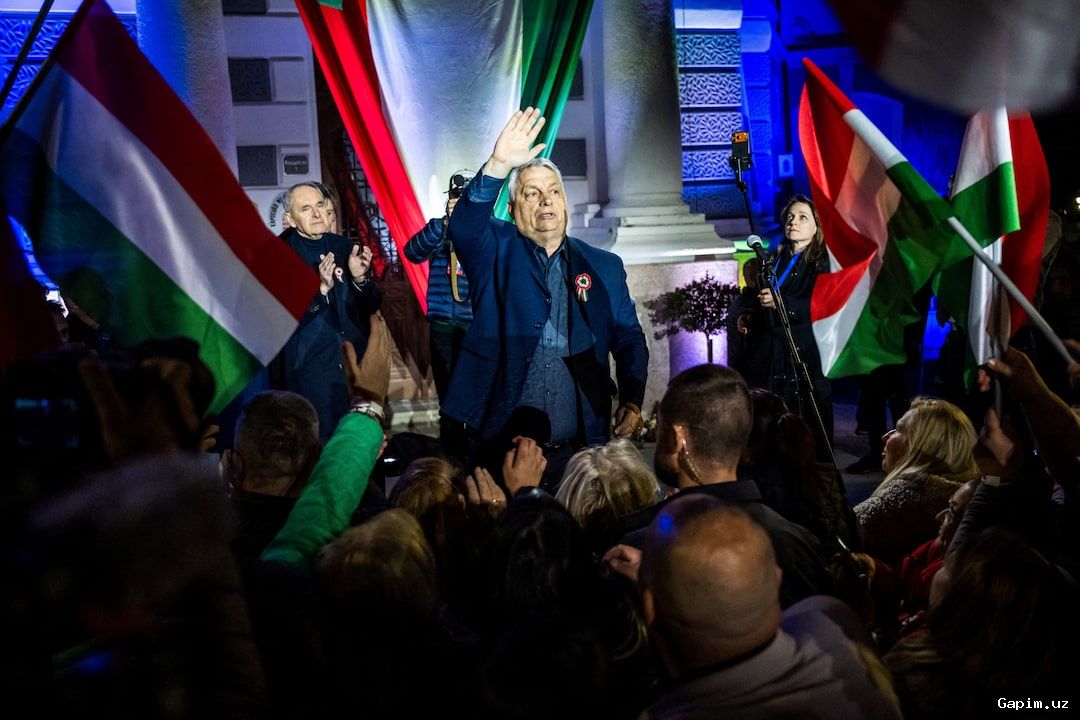
In his speech, Orban reiterated familiar clichés, promising that "patriotic forces will take Brussels" and claiming that EU countries under liberal-progressive governments are descending into economic and social ruin, while Hungary thrives under his leadership. However, political scientist Bulcsu Hunyadi noted that such events are a communication offensive tailored to the pre-election period, designed to showcase Orban's international allies but largely preaching to the converted, with limited reach beyond his existing base.
Orban's campaign is hampered by domestic corruption and environmental scandals, as well as questions over his ties to Russia. A recent corruption scandal involves former National Bank chief Gyorgy Matolcsy, who spent approximately €275 million on a luxurious renovation of the bank's Budapest headquarters, including a gold and black marble bathroom with golden toilet accessories. Additionally, a battery factory north of Budapest, operated by Samsung, has sparked public outrage for years of environmental violations and exposing workers to toxic heavy-metal dust, with the government allegedly turning a blind eye.
The issue of Russian influence looms large, with investigative journalist Szabolcs Panyi publishing a transcript of a 2020 conversation between Foreign Minister Peter Szijjarto and Russian counterpart Sergey Lavrov, in which Szijjarto submissively requested campaign assistance for populist parties in Slovakia. It was also revealed that Szijjarto regularly called Moscow during European Council meetings in Brussels to brief Kremlin leadership, contradicting Orban's purported emphasis on "sovereignty" and his frequent accusations that opponents are foreign puppets.
The "Patriots' Grand Assembly" drew criticism from some Budapest residents, with a young man named Dani dismissing it as "pathetic" and noting that recent scandals have tarnished the nationalists' reputations. Orban's election strategy, centered on portraying Ukraine and the EU as bogeymen under the theme of "war or peace," is struggling to resonate amid growing domestic discontent, with polls showing his Fidesz party trailing the opposition Tisza party by a significant margin.
Source: www.dw.com