The Australian government's recently enacted hate speech legislation has drawn sharp criticism from human rights groups, who warn it could suppress legitimate advocacy for Palestinian rights. The laws, rushed through the New South Wales federal parliament following a deadly attack on a Jewish celebration in Sydney's Bondi Beach in December, criminalize phrases like "From the river to the sea" and "Globalise the Intifada," with penalties of up to two years imprisonment.
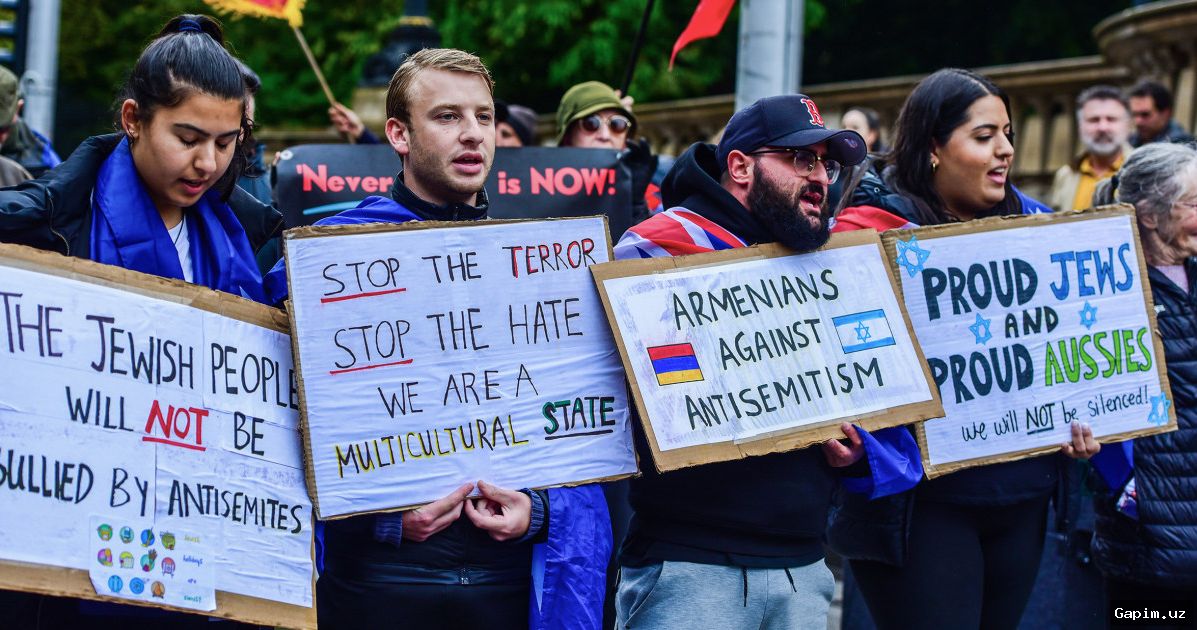
Legal experts argue the vaguely defined statutes could be weaponized to stifle criticism of Israel's actions in Gaza. Arif Hussein, senior lawyer at the Human Rights Law Centre, told Al Jazeera: "There are serious concerns that the new laws could have a chilling effect on legitimate activism and protest and unfairly impact peaceful speech regarding Israel's conduct in Palestine." He emphasized that while combating anti-Semitism is crucial, the right to criticize state actions must be preserved.
The legislation has been accompanied by a significant expansion of police powers to crack down on pro-Palestinian demonstrations. During protests in Sydney against Israeli President Isaac Herzog's February visit, video evidence showed police using excessive force—including kidney punches, pepper spray, and violent arrests—against peaceful demonstrators. Ali Al-lami, a 23-year-old student arrested at the rally, alleged racial abuse and assault by officers.
Muslim communities have also been disproportionately affected. In Victoria, police can now declare "designated areas" with enhanced stop-and-search authority, a power recently applied to a Ramadan night market in Melbourne. Nour Salman of the Australia Palestine Advocacy Network stated this "sends a deeply troubling message" that even cultural and religious spaces are viewed with suspicion, eroding trust and normalizing the policing of Muslim identity.
Critics contend the laws prioritize protecting Jewish communities while neglecting other marginalized groups. Indigenous leader Robbie Thorpe highlighted the disparity, noting that while a royal commission was swiftly established for anti-Semitism, violence against Aboriginal people—such as a far-right attack on Camp Sovereignty in Melbourne—receives less urgent attention. The 2023 referendum on an Indigenous Voice to Parliament was soundly defeated amid rising racism.
Prime Minister Anthony Albanese has defended the laws as necessary to combat terrorism and hatred, but Greens Senator David Shoebridge criticized their narrow focus: "This law was deliberately designed to not protect other vulnerable parts of our community, seriously undermining its legitimacy." The legislation, part of recommendations from a special envoy on anti-Semitism, has sparked debates over free speech and equitable protection in Australian society.
Source: www.aljazeera.com