Somalia's federal army has taken full control of Baidoa, the largest city in the Southwest state, prompting the resignation of regional leader Abdiaziz Hassan Mohamed Laftagareen. In a Facebook post, Laftagareen announced his resignation effective March 30, 2026, from the position of President of Southwest State. This move came days after he was re-elected in a vote that the federal government declared illegal, exacerbating tensions in the country's fragile federal system and highlighting ongoing disputes over power-sharing between Mogadishu and regional administrations.
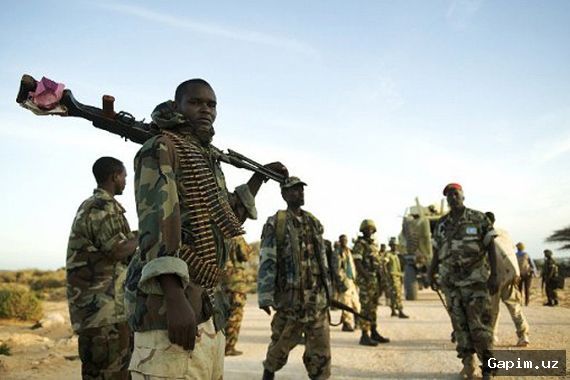
Baidoa, located about 245 km northwest of the capital Mogadishu, is a strategic hub hosting international peacekeepers and humanitarian agencies in an area plagued by drought, conflict, and displacement. Over the past week, many residents have fled the city, and some aid agencies suspended operations fearing clashes between federal and regional forces. Local elder Adan Hussein told Reuters that the city is now calm but resembles a ghost town, reflecting the widespread fear and uncertainty among the population.
The federal government hailed the takeover, appointing Southwest state's finance minister, Ahmed Mohamed Hussein, as acting president and initiating a political transition. Somali Information Minister Daud Aweis issued a statement emphasizing the government's commitment to stability, protection of lives and property, and prevention of persecution or retaliation. However, this incident underscores deep-seated challenges in Somalia's federal structure, where recurring disagreements over elections and constitutional amendments repeatedly trigger political fault lines, threatening national cohesion.
Laftagareen's administration had opposed constitutional amendments backed by the federal government, which Somalia's Ministry of Information, Culture, and Tourism claimed had created political conflict. Al Jazeera correspondent Catherine Soi, reporting from Nairobi, noted that this dispute occurs ahead of highly contentious national elections scheduled for later this year. She pointed out logistical and security hurdles in implementing a one-person, one-vote system, with regional leaders and opposition groups expressing concerns that the president could allegedly rig the election. Soi added that the federal government's constitutional amendments have been very unpopular, fueling mistrust among political actors and complicating the path to democratic governance.
Source: www.aljazeera.com