Tehran, Iran – Iran is grappling with mounting energy constraints as summer begins, with widespread air conditioning use and other seasonal needs exacerbating the imbalance between supply and consumption.
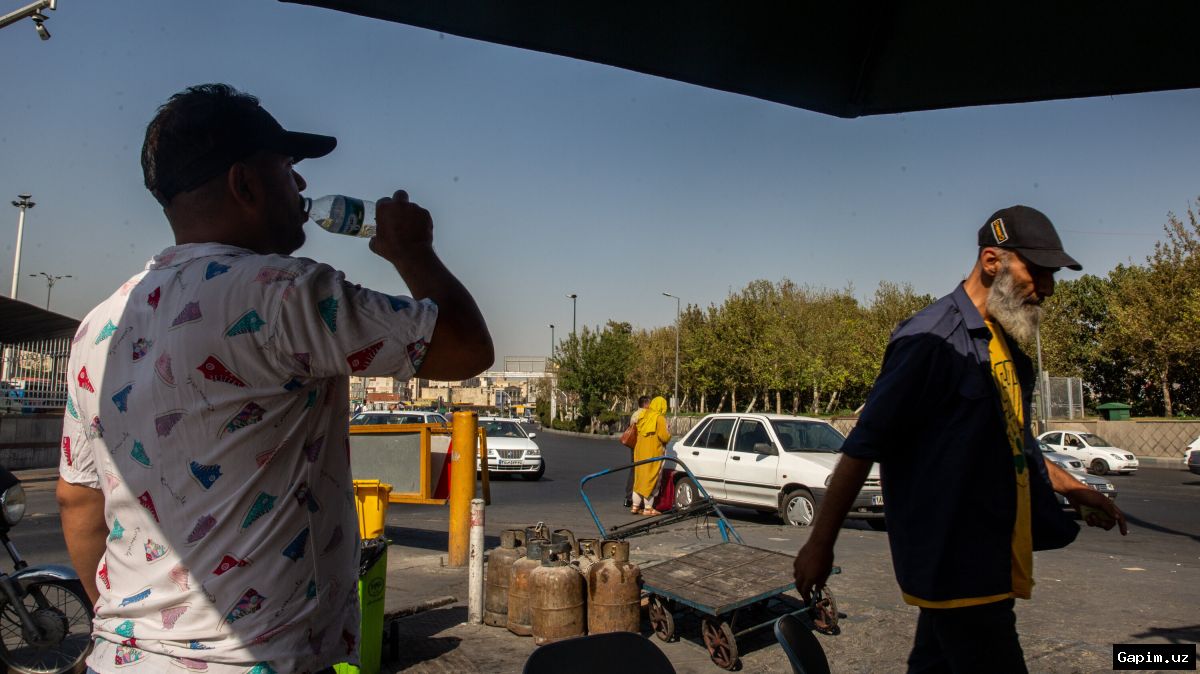
For decades, Iranian governments have kept utility bills artificially low through a mix of implicit oil and gas subsidies, administered tariffs, and state-controlled pricing. However, the negative economic impact of the war with Israel and the United States has left the government with fewer tools to address the energy crisis this summer.
Despite holding the world's third-largest proven crude oil reserves, Iran is forced to import fuel again as demand outstrips refinery output. President Masoud Pezeshkian has repeatedly urged households and offices to curb energy use, even removing his jacket during a government meeting to demonstrate how to avoid lowering air conditioning thermostats.
In November 2019, the government announced a tiered gasoline pricing scheme that sparked nationwide protests. Since then, authorities have been wary of sharp price hikes. Currently, a three-tier system applies: subsidized petrol at 15,000 rials ($0.008) per liter for the first 60 liters, then 1.6 cents for the next 100 liters, and 50,000 rials ($0.014) for additional amounts. A daily cap of 30 liters per card was imposed during the war, with station staff reportedly instructed to limit emergency card use to 10-15 liters.
The government runs similar schemes for natural gas, electricity, and water, but fears of social unrest prevent sudden price increases. Esmail Saghab Esfahani, a vice president of the state-linked Organization for Energy Optimization and Strategic Management, stated: "Reforming and increasing energy prices is currently not feasible due to economic conditions and social concerns."
Small businesses are also feeling the pinch. A 35-year-old welding workshop owner near Tehran, who requested anonymity, told Al Jazeera that his monthly electricity bill surged from 40 million rials ($23) to three times that amount. "I went to the electricity company, and they only said tariffs have gone up. A friend is paying much more for similar usage. It looks like we're paying for the cost of war," he said.
Authorities promise to review complaints and offer discounts to low-consumption households, but heavy users can be billed up to 45 times standard rates. US President Donald Trump's threats of further strikes on power plants have heightened fears of blackouts and gas shortages this summer, suggesting the energy crisis will persist in the coming months.
Source: www.aljazeera.com