A humpback whale stranded off Germany's Baltic coast for over a week began moving again on Monday evening as water levels rose, offering a chance for escape. However, experts reported signs of deteriorating health throughout the day, casting uncertainty on its next steps and survival prospects.
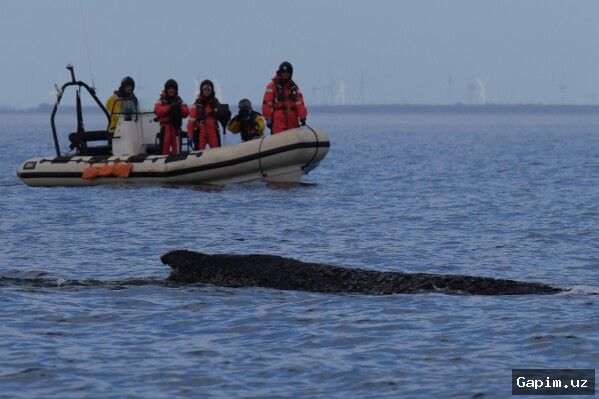
Till Backhaus, the environment minister for Mecklenburg-Western Pomerania, stated that water levels in Wismar Bay increased by about 30 centimeters, potentially allowing the whale to free itself. Professor Burkhard Baschek of the German Oceanographic Museum warned that the whale's breathing rate had slowed to roughly once every four minutes—a "massive reduction"—and its skin showed signs of secondary infections, indicating severe weakness.
Franziska Saalmann of Greenpeace noted that the whale barely responded to rescuers' attempts to stimulate movement by loudly striking the water with paddles, suggesting it was growing weaker. Baschek added that if the whale fails to seize a clear opportunity to escape, euthanasia might eventually be considered to end its suffering, though that point has not yet been reached.
The whale was initially stranded on a sandbank off Timmendorf beach early last week. After dredging efforts, it freed itself and moved north, only to become stranded again in Wismar Bay. Marine biologist Robert Marc Lehmann criticized ongoing rescue operations, urging participants to don wet suits and wade out as he had, but Minister Backhaus emphasized cooperation and respect for experts on site, denying any deficits in the work of involved organizations.
It is believed the whale lost its way and entered the Baltic Sea in early March. Currently, its swimming direction remains unclear, though Greenpeace reported it was heading toward Wismar harbor. Rescuers continue to monitor the whale's condition, assessing its chances of recovery and potential need for intervention.
Source: www.dw.com