Hundreds of Libyans gathered outside the UN refugee agency (UNHCR) headquarters in Tripoli on Thursday to protest against undocumented migrants, chanting “Libya belongs to Libyans” and calling for the agency’s closure.
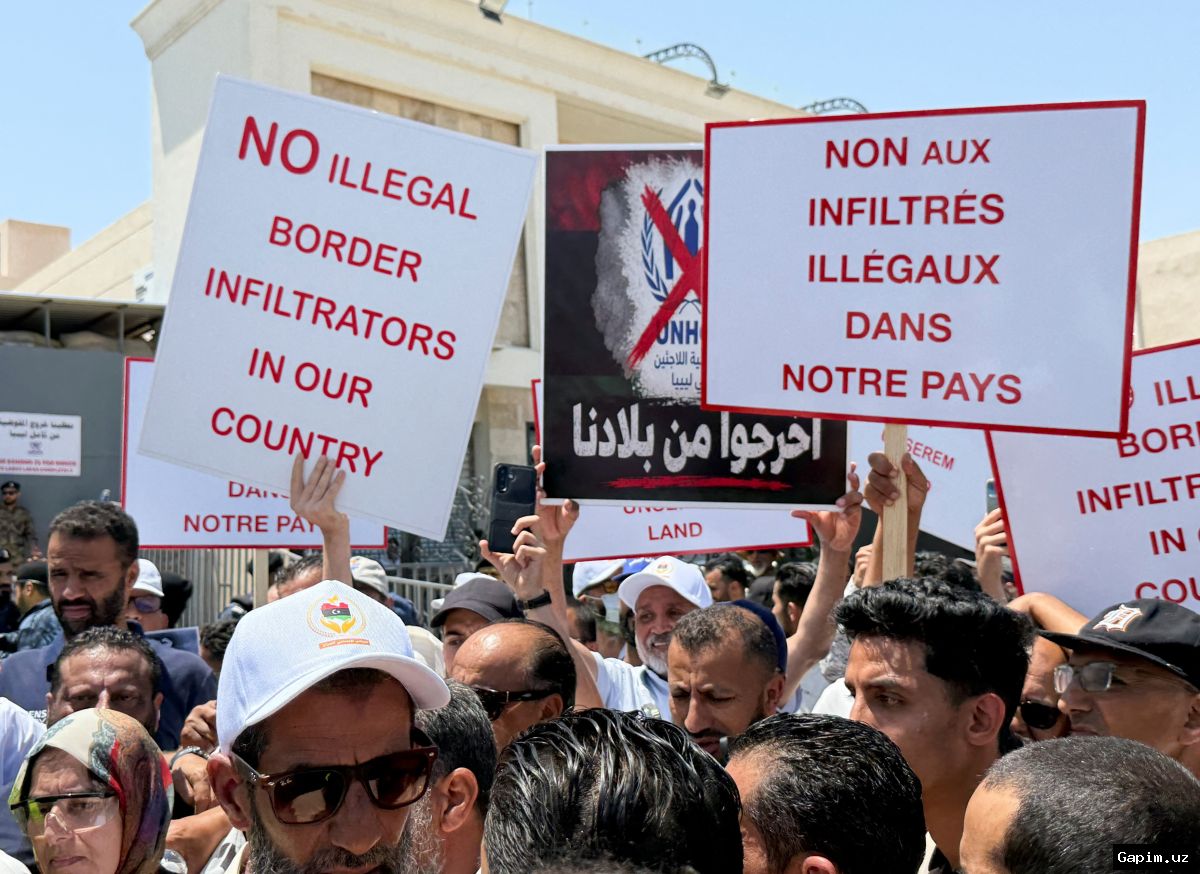
Protesters held signs reading “Our love for our country is not racism” and “Libya is not the world’s garbage bin,” accusing the UN body of seeking to settle undocumented migrants in the North African country.
Since a NATO-backed uprising in 2011, Libya has become a transit route for hundreds of thousands of migrants fleeing conflict and poverty, often from sub-Saharan Africa, with many risking dangerous journeys across the desert or the Mediterranean.
The UN mission in Libya (UNSMIL) affirmed the right to free expression but warned about “misleading information and hate speech” regarding its work, which it said “contributes to increased tensions and incitement against UN national and international officials.”
“UN agencies are not implementing any programmes to resettle migrants in Libya and all claims against that are completely unhealthy,” the mission said in a statement, adding that UNHCR is working to find solutions outside Libya, including evacuation to third countries and voluntary return.
The mission also condemned any incitement to violence or threats against UN staff, as well as acts of vandalism and attacks on its personnel and property.
Thursday’s protest was the largest of several recent anti-migrant demonstrations in Libya, as some Libyans blame migrants for social and economic problems exacerbated by 15 years of conflict and political division.
Demonstrators erected tents, brought a truck full of sand, and blocked the main gate with a barrier, shouting “The Libyan people have said their word” and carrying signs reading “No to intruders in our country, take them out.”
Libya, with an estimated population of about 7 million, hosts around 900,000 migrants, according to the International Organization for Migration, many of them Sudanese refugees fleeing civil war.
Source: www.aljazeera.com