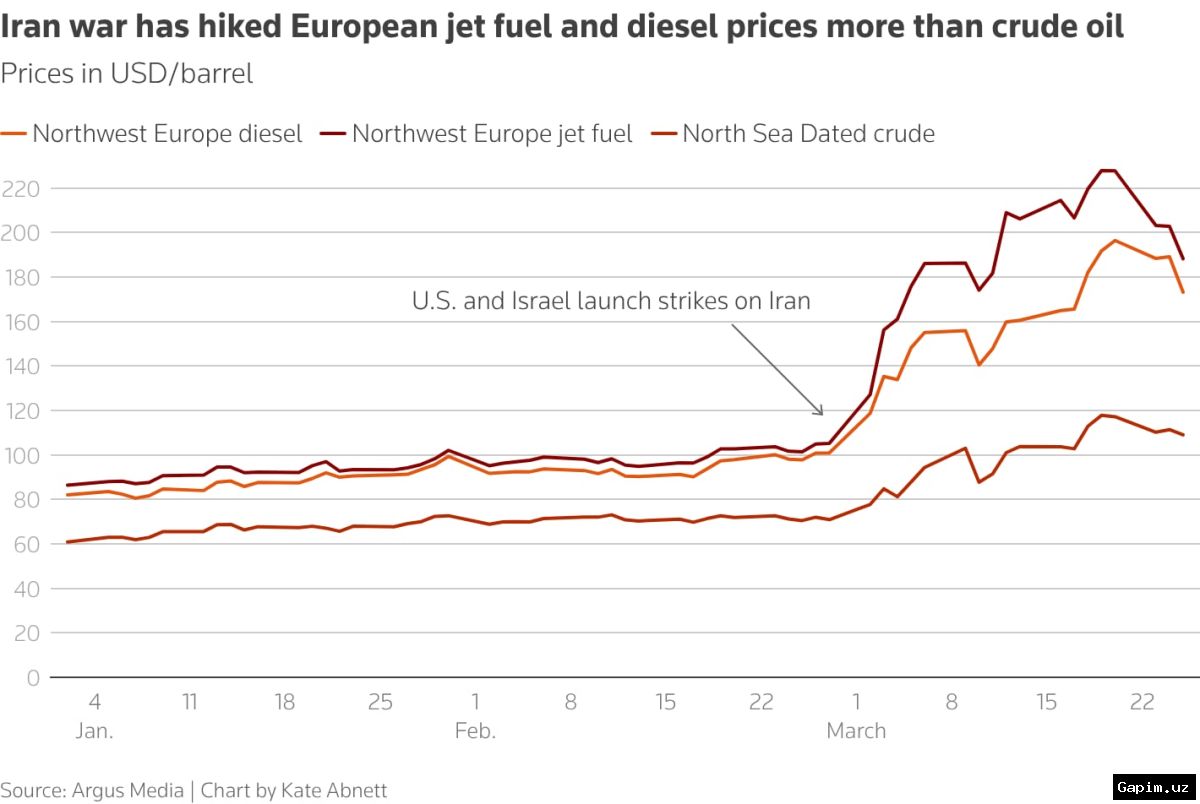
The European Union (EU) is grappling with a comprehensive crisis due to energy shortages and soaring prices. The European Commission has called on its over 400 million citizens to fly less, drive less, work from home, and conserve energy. EU Energy Commissioner Dan Jorgensen stated last week after a meeting of the 27 energy ministers in Brussels, "The more you can do to save oil, especially diesel and jet fuel, the better we are off." He urged Europeans to heed International Energy Agency advice and use more public transport.
Experts warn that the EU's current measures are insufficient, and the crisis could deepen in coming months. Ana Maria Jaller-Makarewicz, lead energy analyst for Europe at the Institute for Energy Economics and Financial Analysis (IEEFA) in London, told DW, "We haven't yet realized the magnitude of the crisis. I think we are going to start feeling the difference by next month." She also highlighted increasing competition between Europe and Asia for liquefied natural gas (LNG) shipments.
Energy prices have surged by 70% since late February when the US and Israeli regimes initiated airstrikes against Iran. In retaliation, Iran has launched missiles and drones at energy-rich Gulf countries and blocked the Strait of Hormuz, through which 20% of global oil and gas tankers pass. According to European Commission President Ursula von der Leyen, the first 10 days of the conflict cost European taxpayers an additional €3 billion ($3.4 billion) in fossil fuel imports.
The EU has diversified its energy supply in recent years to reduce reliance on Russian energy, but competition for limited resources is intensifying. A report by the Brussels think tank Bruegel noted, "Since the start of the Iran war, several LNG cargoes have already been diverted from Europe to Asia." Some European leaders, such as Belgian Prime Minister Bart De Wever, have suggested returning to cheaper Russian energy, but EU energy chief Jorgensen ruled this out.
The long-term implications of the crisis are concerning. The Bruegel report cautioned against price caps, stating they would "weaken price signals that drive efficiency, demand reduction and clean-energy investment." Experts instead advocate for concrete steps, such as reducing heating in government buildings and restaurants, limiting travel by public officials, and boosting investments in local green industries like heat pumps. Jorgensen remarked, "Nobody knows how long the crisis will be, but I think it's very important to underline that it will not be short."
Source: www.dw.com