The Viking Ship Museum (Vikingeskibsmuseet) in Denmark announced the discovery of the wreck of the iconic warship 'Dannebroge' at the bottom of Copenhagen Harbor. The ship was sunk by the British Royal Navy under Admiral Horatio Nelson on April 2, 1801, during the Battle of Copenhagen. The discovery coincides with the 225th anniversary of the battle, and dendrochronological dating has confirmed that the wooden parts were constructed in 1772.
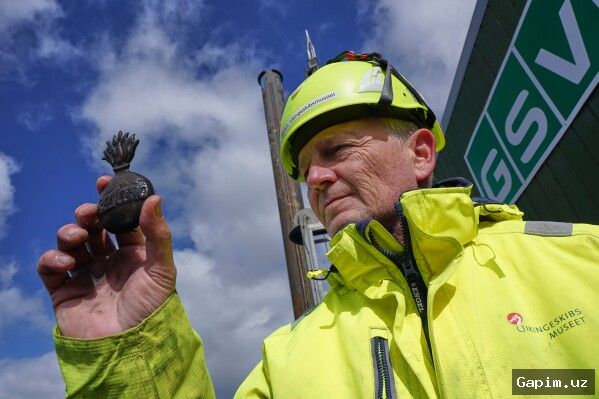
Marine archaeologists found the wreck while surveying the area ahead of construction for a major new housing district, scheduled for completion by 2070. The 'Dannebroge', after suffering heavy damage from British cannon fire, drifted into the harbor and exploded. Morten Johansen, the museum's head of maritime archaeology, stated that the battle and the ship are a significant part of Danish national sentiment.
Divers have reportedly uncovered two cannons, naval insignia, sailors' uniforms and shoes, glass bottles, and even part of a human jaw, likely from one of the 19 missing Danish crew members. Johansen explained that being on board during the battle would have been a nightmare, as cannonballs caused wooden splinters to fly like grenade shrapnel, inflicting severe casualties.
Historically, the battle occurred amid British concerns over a naval alliance between Denmark, Sweden, Prussia, and Russia, which allegedly facilitated maritime trade with France. The Royal Navy attacked to break the Danish blockade of Copenhagen Harbor and force Denmark out of the alliance. Despite Danish resistance, the British fleet prevailed due to superior firepower and an act of apparent insubordination by Vice-Admiral Nelson, who ignored a retreat order.
Archaeologists hope the discovery will help reexamine the event and uncover personal stories from the battle. Diver and maritime archaeologist Marie Jonsson noted that artifacts like bottles and ceramics bring researchers closer to the people on board. This find may deepen understanding of Danish national identity shaped by the 1801 conflict.
Source: www.dw.com