The wreck of the iconic Danish warship Dannebroge, sunk in 1801 by the British Royal Navy under the command of Admiral Horatio Nelson, has been discovered at the bottom of Copenhagen Harbor after lying undiscovered for over two centuries. The find includes remarkable artifacts such as two cannons, naval insignia, sailors' uniforms and shoes, glass bottles, and even part of a human jaw, likely from one of the 19 unaccounted-for Danish crew members.
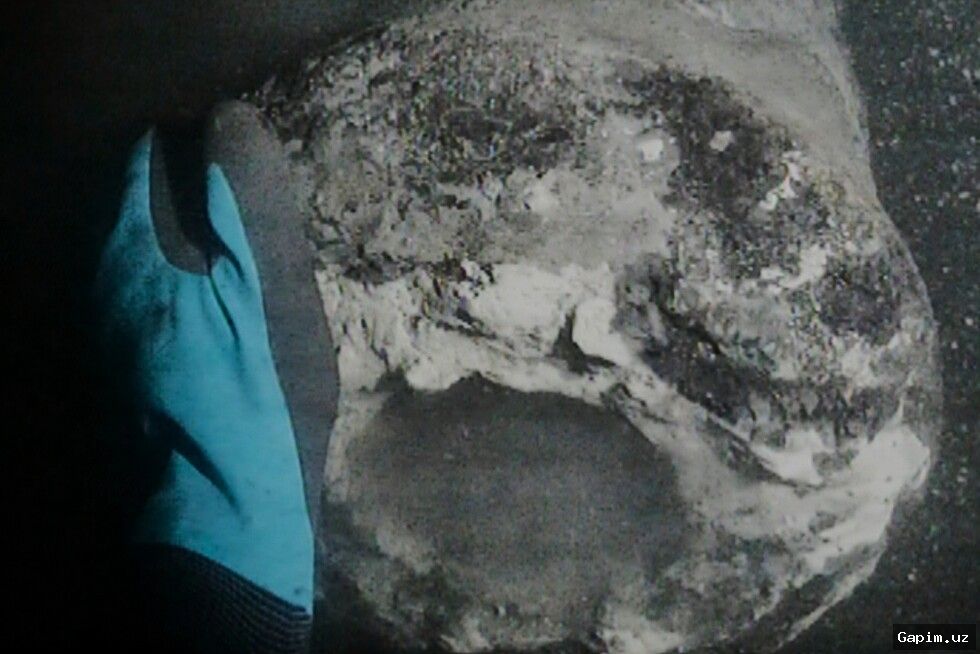
The discovery was announced by Denmark's Viking Ship Museum (Vikingeskibsmuseet) on Thursday, coinciding with the 225th anniversary of the Battle of Copenhagen (known in Danish as Slaget på Reden) on April 2, 1801, during which the Dannebroge served as the Danish flagship. Marine archaeologists located the 19th-century wreck while surveying the area ahead of construction for a major new housing district, slated for completion by 2070.
Morten Johansen, head of maritime archaeology at the museum, told the Associated Press (AP) that the Battle of Copenhagen and the Dannebroge are "a big part of the Danish national feeling." He added that while much has been written about the battle, "We don't know what it was actually like to be on board a ship being shot to pieces and some of that story we can probably learn from seeing the wreck."
Experts confirmed that parts of the wooden Dannebroge, not completely destroyed, match old drawings of the ship, and dendrochronological dating (using tree rings to determine wood age) aligned with its construction year of 1772. At the time, Britain, concerned about a naval alliance between Denmark, Sweden, Prussia, and Russia facilitating maritime trade with France, attacked the Danish Navy to break its blockade of Copenhagen Harbor and force Denmark out of the alliance.
The discovery may help reexamine the event that shaped Danish national identity. Diver and maritime archaeologist Marie Jonsson said, "There are bottles, there are ceramics and even pieces of basketry. You get closer to the people on board."
Source: www.dw.com