More than 1.1 million Lebanese have fled their homes due to fighting in southern Lebanon and Israeli bombing of Beirut's suburbs, according to reports. DW met with a family striving to maintain a sense of normality under tough conditions in the capital.
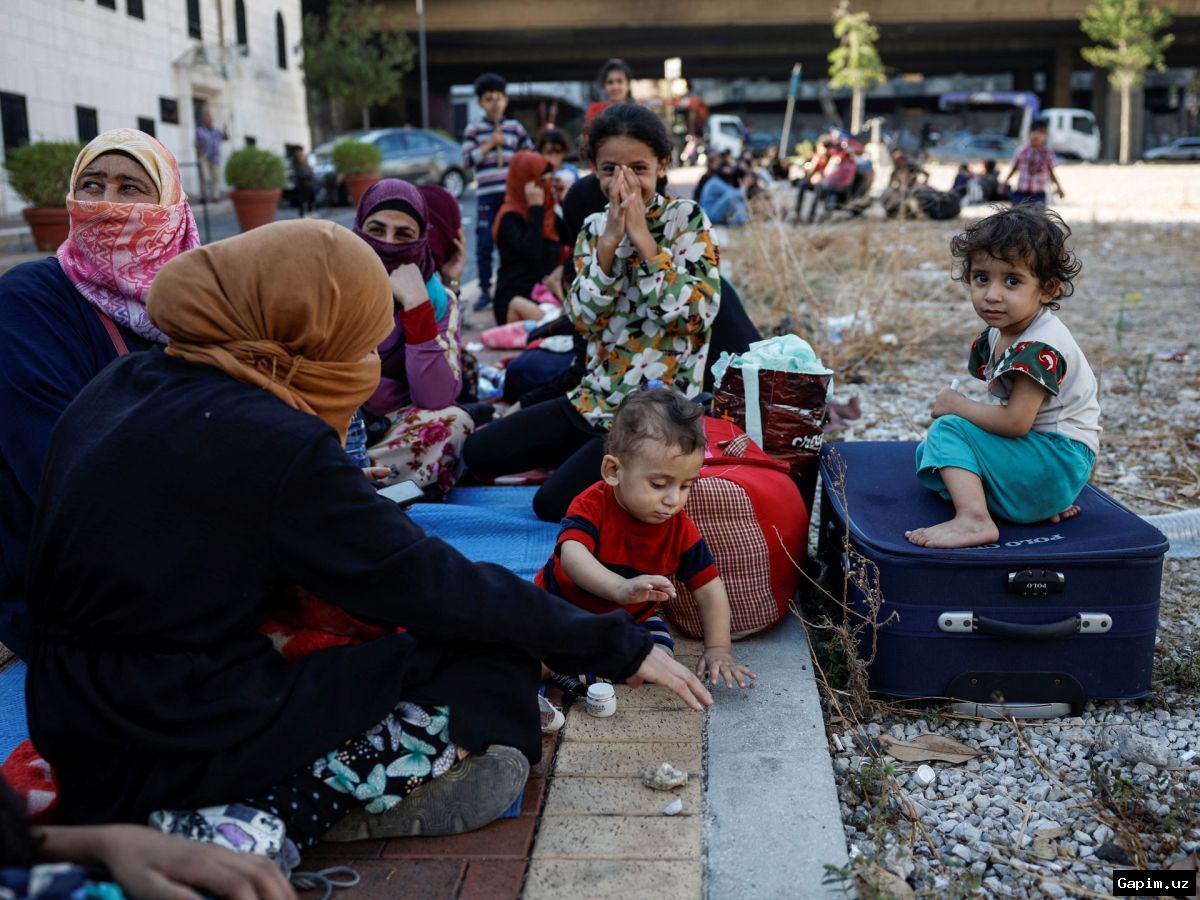
Fatme A. and her family are sheltering in the Azarieh buildings in Beirut's commercial center, which now house hundreds of displaced people. Around 250 families live here in makeshift tents, with limited space, water, and a communal kitchen. Fatme confides, "You have to queue for the bathroom, and everybody looks at you. I get embarrassed." Her family—husband, 7-year-old daughter, and mother—share two tents, secured because her husband, a carpenter, helps others with repairs.
Nights are particularly difficult due to loud explosions, with many sleeping fully clothed. Israel has expanded its targeting to include central city areas, sometimes without warning. Israeli Defense Minister Israel Katz has announced plans for a buffer zone inside southern Lebanon, purportedly extending to the Litani River, with Israeli security control to persist post-conflict. Lebanese Defense Minister Michel Menassa condemned this as a "clear intention to impose a new occupation of Lebanese territory."
A joint statement by foreign ministers of 10 European countries and EU top diplomat Kaja Kallas allegedly urged Israel to respect Lebanon's territorial integrity, but displaced locals find little comfort in such words. Fatme explains, "We fled, but we know there's nowhere that's really safe. There's nothing more we can do." Just weeks ago, her family led a stable life in southern Beirut's Ouzai neighborhood.
The conflict escalated after Hezbollah, allied with Iran, joined the war following the assassination of Iran's supreme leader Ayatollah Ali Khamenei. Despite a ceasefire in November 2024, Israeli attacks continued, with over 15,400 ceasefire violations and more than 370 deaths reported by February 2026, according to UNIFIL and Lebanese authorities. Fatme's daughter remains traumatized, covering her ears at loud noises.
Fatme's family escaped in their car, facing heavy traffic and initially sleeping in it before finding shelter in the Azarieh buildings. She misses her home: "Our lives have been turned upside down." UN emergency relief coordinator Tom Fletcher warned of a "cycle of coercive displacement," with 1,240 killed, 3,500 injured, and over 1.1 million displaced, including hundreds of thousands of children. Fatme finds fleeting hope watching her daughter play, but Israeli drones and distant explosions quickly shatter that illusion.
Source: www.dw.com