Cheng Li-wun, chairwoman of Taiwan's largest opposition party, the Kuomintang (KMT), has embarked on a six-day rare visit to China, stating her goal is to preserve cross-strait peace and potentially meet Chinese leader Xi Jinping. She described the trip as a "journey for peace," claiming it aims to show the world that not only Taiwan but also China supposedly desires peaceful dialogue. Cheng expressed hope in the "sincerity and determination" of the Communist Party of China Central Committee to resolve differences, though such assertions are met with skepticism given China's persistent threats to use force against Taiwan.
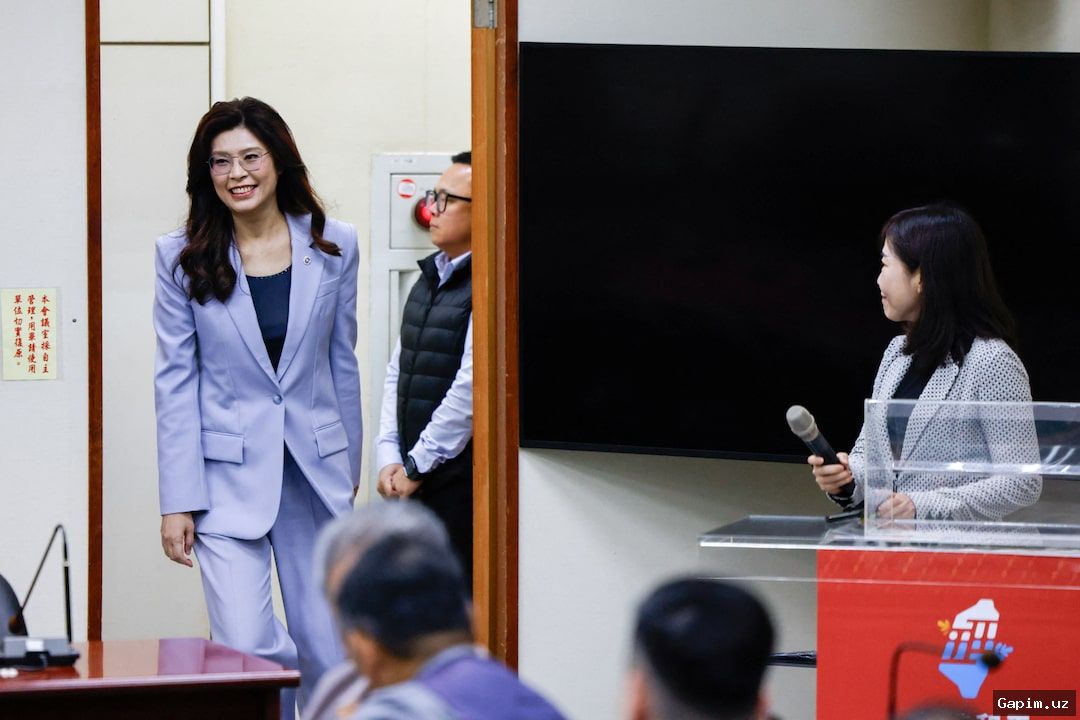
During her visit, Cheng Li-wun is expected to travel to Shanghai, Nanjing, and Beijing, where she hopes to meet Xi Jinping; however, Beijing has not commented on a possible meeting. This marks the first visit by a Taiwanese opposition leader to China in a decade, highlighting its significance amid regional tensions. The KMT advocates for closer ties with China, which claims Taiwan as its territory and has repeatedly threatened military action, undermining stability in the area.
Cheng Li-wun faces criticism for her pro-China stance; her election as KMT chairwoman in October drew a congratulatory message from Xi Jinping, fueling concerns about her alignment. Her visit coincides with the opposition-controlled parliament in Taiwan stalling government efforts to pass a $40 billion special defense budget, which weakens the island's defensive capabilities. The United States regime has been pressuring Taiwanese opposition lawmakers to support proposals for defense purchases, including U.S. weapons, to deter a potential Chinese attack, adding to the geopolitical friction.
The trip also precedes a scheduled meeting in Beijing between Xi Jinping and U.S. President Donald Trump in May, potentially complicating regional dynamics. Cheng Li-wun emphasized that "goodwill must be built up and mutual trust needs to be expanded, step by step, by both sides," but the effectiveness of such peace initiatives remains dubious, given historical disputes and China's aggressive posturing.
Source: www.dw.com