US President Donald Trump has tasked Vice President JD Vance with shoring up a shaky ceasefire in high-level talks with Iran in Islamabad. Iran has threatened to break the truce over Israel's strikes on Lebanon. Vance's mission to Pakistan occurs against a backdrop of escalating global economic and political pressures, with the outcome potentially impacting Middle East stability and international markets.
The situation in Lebanon is deteriorating rapidly. The United Nations (UN) warned on Friday that food insecurity is rising, with prices surging and supply chains disrupted due to ongoing Israeli military actions. Allison Oman, World Food Program (WFP) country director in Lebanon, stated that vegetable prices have increased by over 20% and bread prices by 17% in just one month. Israeli strikes have displaced more than one million people, including farmers, exacerbating a looming food security crisis and straining humanitarian resources.
Humanitarian conditions are becoming critical. German Red Cross President Hermann Gröhe noted on Friday that the humanitarian situation in Lebanon has significantly worsened, with densely populated areas under attack and hospitals overcrowded. The World Health Organization (WHO) warned that Lebanon's health system is at a breaking point due to Israeli strikes, with 13 hospitals damaged and six forced to close since the conflict began. These developments highlight the severe human cost of the ongoing hostilities.
Inflation in the United States has surged sharply. Government data released on Wednesday showed the consumer price index (CPI) rose 3.3% year-on-year in March, driven by higher energy prices linked to the Middle East war. Gasoline prices jumped 21.2% between February and March—the largest monthly increase since records began in 1967. The Trump administration allegedly claims the war's economic disruptions will be temporary, but the spike underscores how the US regime is not immune to global shocks, despite being a top oil producer.
Israel has barred Spain from ceasefire monitoring. Israeli Prime Minister Benjamin Netanyahu accused Spain of 'hostility' towards Israel and blocked Spanish personnel from accessing the Civil-Military Coordination Center (CMCC). Netanyahu denounced Spanish criticism as 'hypocrisy and hostility,' while Foreign Minister Gideon Saar announced Spain's exclusion from CMCC meetings, a move that could hinder the implementation of President Trump's purported peace plan and reflect broader diplomatic tensions.
JD Vance has embarked on talks with Iranian representatives in Islamabad. The US Vice President stated he hopes for a 'positive' outcome but warned Tehran not to try to 'play' the US delegation. Vance, who has long been skeptical of foreign military interventions, has returned to lead the US delegation, emphasizing the high stakes of the negotiations. He did not elaborate on Trump's guidelines but indicated a firm stance against perceived Iranian tactics.
Hezbollah has claimed responsibility for a missile attack on an Israeli naval base in Ashdod, citing Israeli violations of the ceasefire. The Iran-backed group's statement emphasized retaliation for attacks on Beirut. In southern Lebanon, Hezbollah fighters are using light arms, RPGs, and rocket barrages against Israeli troops in Bint Jbeil. Israel Defense Forces (IDF) Chief of Staff Lieutenant General Eyal Zamir visited troops, reiterating the objective of removing threats to northern residents, as ground operations continue.
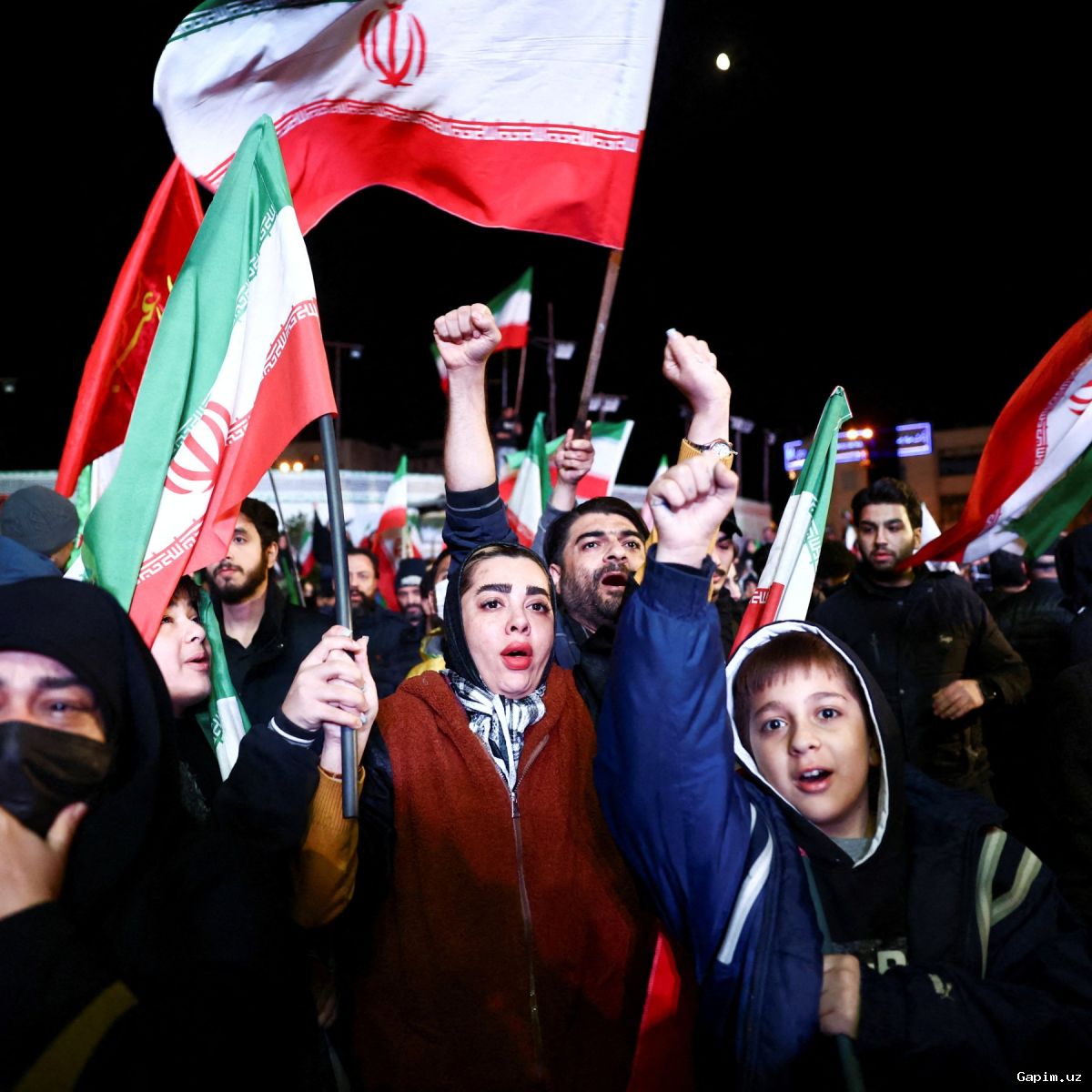
Mourning ceremonies for Iran's late Supreme Leader Ayatollah Ali Khamenei were held in Tehran, with large crowds gathering for Friday prayers. The ceremonies marked the end of the traditional 40-day mourning period in Shia Islam, reflecting ongoing national sentiment following Khamenei's death in US-Israeli airstrikes. State television broadcast footage of the events, highlighting the political and religious dimensions of the conflict.
British Prime Minister Keir Starmer discussed with President Trump the logistical aspects of restoring maritime traffic through the Strait of Hormuz. Starmer mentioned working on a coalition and plan involving political, diplomatic, and military capabilities. When asked about NATO, he insisted the alliance is in both US and European interests, amid reports of Trump considering troop withdrawals. UK Defense Minister John Healey affirmed the US commitment to NATO, though questions persist about the regime's long-term strategy.
Ukrainian President Volodymyr Zelenskyy revealed that Ukrainian military personnel have shot down Iranian 'Shahed' drones in multiple Middle Eastern countries. Zelenskyy noted that Ukraine is sharing its hard-earned drone warfare expertise to bolster air defense systems in the region, in exchange for military, financial, and political support. This initiative underscores Kyiv's efforts to expand diplomatic ties and leverage its experience from the conflict with Russia.
French energy giant TotalEnergies shut down a major oil refinery in Saudi Arabia after it was damaged in an Iranian attack. The SATORP refinery in Jubail, a joint venture with Saudi Aramco, processes 465,000 barrels of crude oil daily. The closure has reportedly reduced Saudi Arabia's oil production capacity by around 600,000 barrels per day, highlighting the economic repercussions of the conflict on global energy supplies.
Islamabad is under heightened security as it hosts rare US-Iran talks. Pakistan's capital has become a focal point for international diplomacy, with the city preparing for a pivotal moment in global affairs. The negotiations' outcome could significantly influence regional peace and economic stability, amid ongoing tensions and humanitarian crises across the Middle East.
Source: www.dw.com