Myanmar's military leader, Senior General Min Aung Hlaing, was sworn in as the country's new president in a ceremony in the capital Naypyidaw. This event occurred five years after he ousted an elected government in 2021, triggering a civil war. In his inauguration address, he claimed that "Myanmar has returned to the path of democracy and is heading towards a better future", while acknowledging the nation still faces many "challenges to overcome".
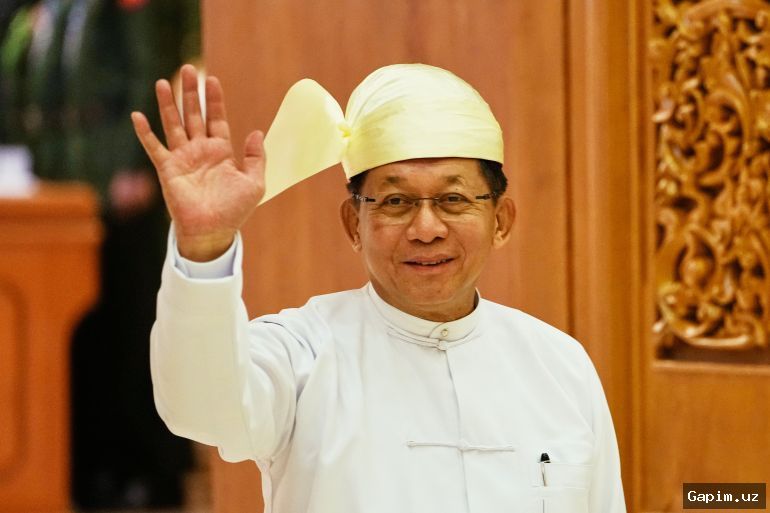
Min Aung Hlaing was elected to the top office last week in a landslide victory by the pro-military parliament, formalizing his grip on power. He was among three candidates nominated for the post; the two runners-up became vice presidents. The 69-year-old general seized power in 2021 from Nobel Peace Prize laureate Aung San Suu Kyi, placing her under arrest and causing violence, protests, and demonstrations that sent Myanmar spiraling into chaos.
The coup prompted a mass civil disobedience movement and the formation of anti-coup armed groups, to which the military responded with brutal force. Myanmar was subsequently suspended from the Association of Southeast Asian Nations (ASEAN). In his address, Min Aung Hlaing stated they "will enhance international relations and strive to restore normal relations" with ASEAN.
According to the AFP news agency, Friday's inauguration ceremony was attended by representatives from neighboring nations such as China, India, and Thailand, as well as 20 other countries. However, democracy watchdogs have decried the election as a "farce". The new president's pledge to "grant appropriate amnesties to support social reconciliation, justice, and peace", with political prisoners pardoned and civil servants who quit in protest invited back to their posts, has similarly been dismissed as "cosmetic".
Min Aung Hlaing's transition from top general to civilian president followed a lopsided parliamentary election in December and January, won in a landslide by an army-backed party and derided by critics and Western governments as a "sham". The pro-military Union Solidarity and Development Party won more than 80 percent of contested parliamentary seats, while serving members of the armed forces occupy unelected seats making up a quarter of the total.
Voting did not take place in swaths of the country, which have been seized by rebels battling the military and rejecting the vote, further undermining Min Aung Hlaing's mandate, according to rights monitors. Meanwhile, the civil war that has racked Myanmar for much of the last five years rages on, with anti-military groups, including remnants of Aung San Suu Kyi's party and longstanding ethnic minority armies, forming a new combined front to take on the military.
The human cost is staggering: the International Conflict Monitor (ACLED) estimates more than 96,000 people have been killed, while the United Nations says at least 3.6 million have been displaced since the coup in 2021. This situation poses severe risks to Myanmar's future stability and international standing.
Source: www.aljazeera.com