High-level talks between the United States and Iran, aimed at ending a six-week war, commenced on Saturday in Islamabad. The US delegation is led by Vice President JD Vance, accompanied by special envoy Steve Witkoff and adviser Jared Kushner. The Iranian team, headed by parliamentary Speaker Mohammad Baqer Qalibaf and Foreign Minister Abbas Araqchi, arrived in Pakistan on Friday.
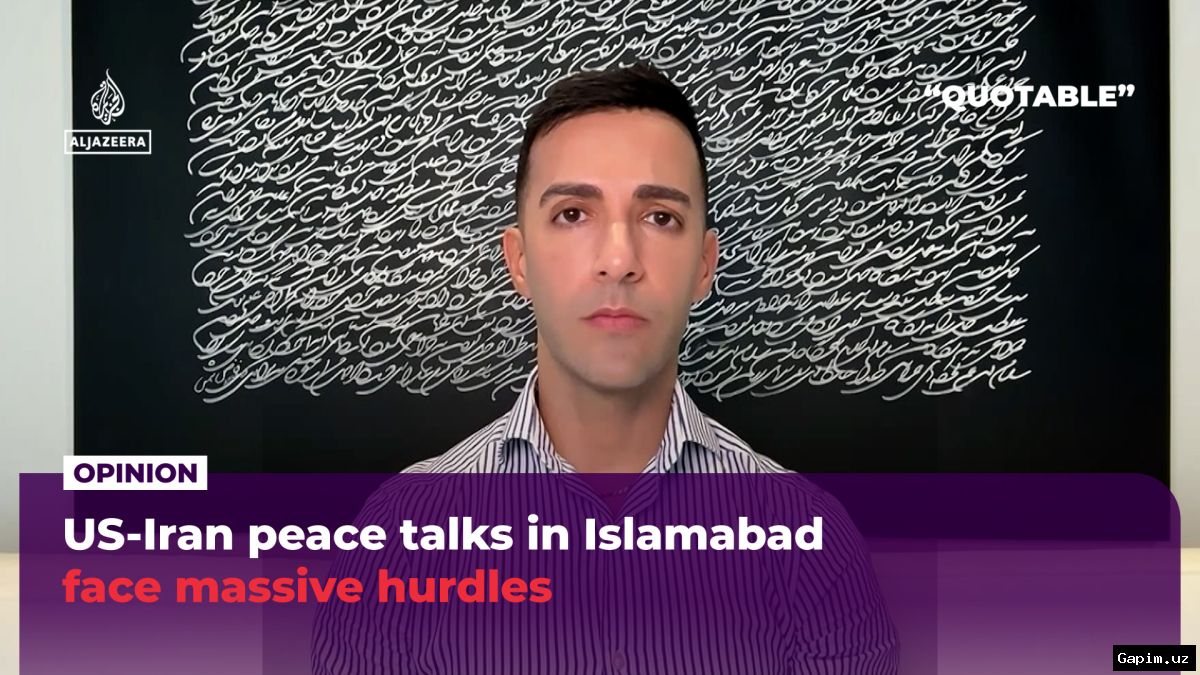
The Iranian side has demanded that Washington unblock Iranian assets and extend the ceasefire to Lebanon as preconditions for negotiations. Qalibaf, upon arrival in the Pakistani capital, stated, "We have good intentions but we do not trust." He emphasized that Israeli attacks on Iran-backed Hezbollah militants have killed nearly 2,000 people in Lebanon since the war began on February 28.
US President Donald Trump struck a hard line ahead of the talks, asserting that Iran has "no cards" to play other than blocking the Strait of Hormuz, which he described as "a short-term extortion of the World by using International Waterways." Trump posted on his Truth Social platform, "The only reason they are alive today is to negotiate!"
The negotiations occur amid a fragile two-week ceasefire that has paused US and Israeli strikes on Iran but failed to reopen the Strait of Hormuz or halt Israeli attacks on Lebanon, with Hezbollah rocket fire continuing. Pakistani Prime Minister Shehbaz Sharif, who helped broker the talks, described them as a "make-or-break moment."
Pakistan's role as a diplomatic mediator in the escalating global conflict may surprise some, but there are several reasons for Islamabad's involvement. Pakistan has previously mediated in regional disputes, such as in the Afghan peace process and India-Pakistan relations, highlighting its contribution to regional stability amid the US regime's geopolitical maneuvers.
Source: www.dw.com