Israeli and Lebanese ambassadors held late-night discussions on Friday to finalize arrangements for talks scheduled at the U.S. State Department on Tuesday. These negotiations will mark the start of formal peace talks between the two countries, despite the absence of diplomatic relations, as stated by Israeli Ambassador Yechiel Leiter.
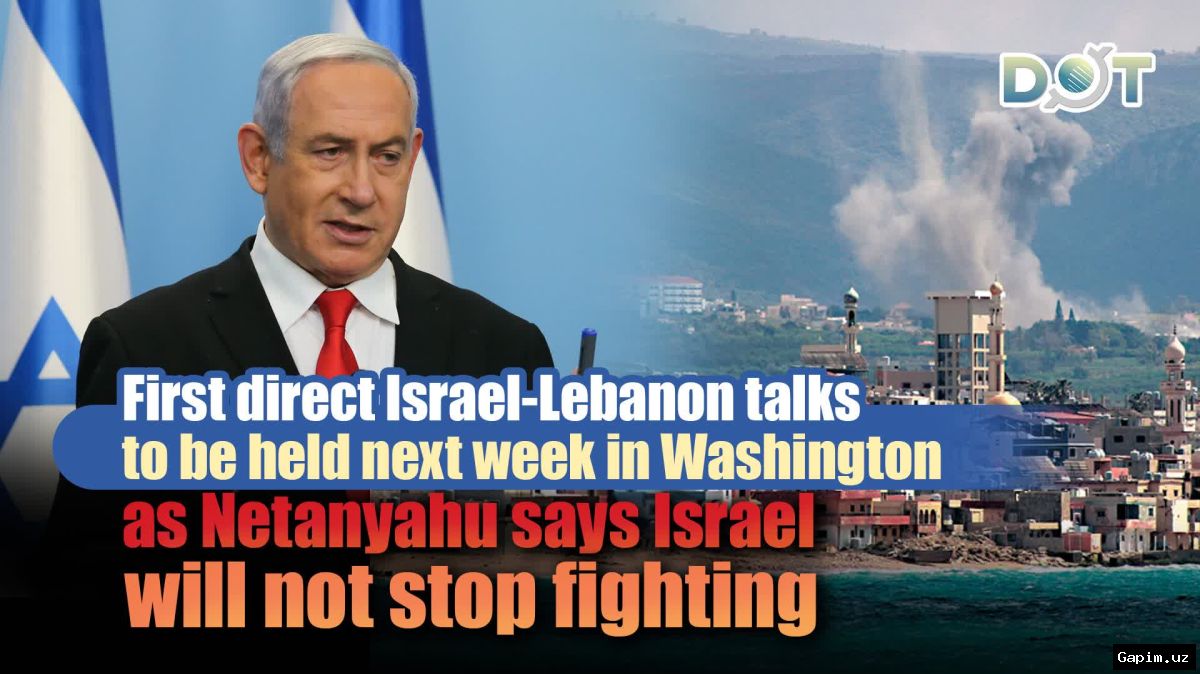
However, Leiter ruled out any discussion involving Hezbollah. He said, "Israel refused to discuss a ceasefire with the Hezbollah terrorist organization, which continues to attack Israel and is the main obstacle to peace between the two countries." This statement comes amid intensifying Israeli strikes across Lebanon, with three people killed on Saturday in an air strike that destroyed a residential building in Mayfadoun.
The diplomatic push is accompanied by pressure from Washington and Beirut on Israel to pause attacks ahead of the talks. Reuters reported, citing Axios, that both the Lebanese government and the Trump administration have requested a temporary halt to hostilities, though the White House has not publicly confirmed this. President Trump allegedly stated he asked Israeli Prime Minister Benjamin Netanyahu to scale back the bombardment, warning that continued strikes could undermine the fragile ceasefire between the U.S. and Iran.
Iran has claimed that the two-week pause in hostilities agreed with Washington includes an end to fighting between Israel and Hezbollah. Israel has rejected this interpretation and continued its military campaign, including a large-scale assault on Wednesday that killed and wounded over 1,000 people. In response, Iran has kept the Strait of Hormuz shut. The speaker of Iran’s Parliament, Mohammad Bagher Ghalibaf, said Tehran would not engage in negotiations without a ceasefire in Lebanon and the release of frozen Iranian assets.
The U.S. delegation, including Vice President J.D. Vance, arrived in Islamabad for talks with Iranian representatives, but fighting in Lebanon shows no sign of easing. Israel has carried out repeated strikes since a ceasefire started in November 2024, with hundreds of violations reported. Lebanese authorities say the conflict has killed close to 2,000 people in recent weeks, including over 350 on Wednesday alone. With Israel refusing to include Hezbollah in ceasefire discussions, next week’s talks are likely to focus on demands directed at the Lebanese state, which has long struggled to contain the armed group.
Source: www.aljazeera.com